
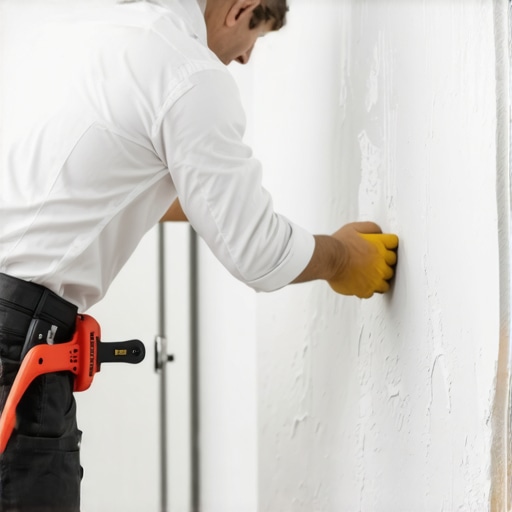
My Journey into Wallpaper Hanging: From Novice to Expert
It all started when I decided to give my living room a fresh new look. As someone who loves DIY projects, I was excited but also a bit nervous about hanging wallpaper myself. I remember the first attempt; I ended up with bubbles and misaligned patterns. But through patience and practice, I discovered the secrets to perfect wallpaper hanging, which I’m eager to share with you today.
Understanding Your Wallpaper and Wall Surface
Before I even bought my first roll, I learned that selecting the right wallpaper and preparing the wall are crucial steps. I always opt for high-quality wallpaper, especially those with a peel-and-stick backing for easier application. Proper wall preparation, like cleaning and patching holes, makes a significant difference. I found that a smooth, clean surface helps the wallpaper adhere better and look flawless.
Tools of the Trade: What I Always Use
Gathering the right tools was a game-changer. I use a sharp utility knife for trimming, a straight edge, a smoothing brush, and a level to ensure straight lines. Having a good quality adhesive is essential for traditional wallpaper. I also invested in a wallpaper steamer for removal, which saved me hours of frustration when I needed to replace old wallpaper.
Step-by-Step: My Personal Technique for Hanging Wallpaper
My process begins with measuring and cutting the wallpaper slightly longer than the wall height. I apply adhesive evenly using a roller or brush. When hanging, I start from a corner, aligning the pattern carefully. I always leave a little excess at the top and bottom to trim later. Using a smoothing brush, I press out air bubbles from the center outward, ensuring a seamless look. Patience and attention to detail are my best friends during this process.
How Do I Achieve Perfect Pattern Matching and Seamless Joints?
This is my biggest challenge and my favorite part of wallpapering. I carefully align the pattern at the seams, often overlapping slightly and then trimming precisely with my utility knife. I learned that taking my time and working in small sections prevents mistakes. Watching tutorials and reading expert tips, like those on DIYKutak, really boosted my confidence and skills.
Final Tips and Personal Reflections
After years of trial and error, I can confidently say that wallpaper hanging is an art that anyone can master with the right approach. My advice? always measure twice, cut once, and don’t rush the process. The satisfaction of transforming a space with your own hands is truly rewarding. If you’re interested in more home improvement tips, check out DIYKutak’s comprehensive guides.
Now, I’d love to hear your wallpaper adventures! Share your experiences or ask questions in the comments below. Happy decorating!
Mastering Pattern Matching: Elevate Your Wallpaper Installation Skills
One of the most satisfying aspects of wallpapering is achieving perfect pattern alignment, which transforms a simple wall into a work of art. As an experienced DIY enthusiast, I’ve discovered that meticulous measurement, patience, and understanding the nuances of pattern repetition are key to flawless pattern matching. For intricate designs, I prefer to use a combination of a measuring tape, a straight edge, and a level to ensure that each strip aligns seamlessly, especially when working with repeat patterns that require precise matching.
How Do Professional Installers Manage Pattern Continuity?
Professionals often employ advanced techniques such as overlaying the pattern on the wall using a light pencil mark or using pattern matching guides provided by the manufacturer. They also work in small sections, double-checking each seam before applying pressure. Watching expert tutorials, like those on DIYKutak, offers invaluable insights into these precision methods.
Seamless Joints: The Art of Overlapping and Trimming
Seamless joints are the hallmark of professional wallpaper finishing. I recommend overlapping the edges slightly, then carefully trimming with a sharp utility knife, ensuring the seams are tight and invisible. Using a smoothing tool from the center outward helps to press the seams flat and prevent air bubbles, which can disrupt pattern continuity. The key is to work slowly and measure the overlaps precisely, especially with busy or complex patterns, to avoid misalignments.
What Are the Common Pitfalls, and How Can You Avoid Them?
Common mistakes include rushing the trimming process, not aligning the pattern correctly at the seams, or failing to prepare the wall surface adequately. To mitigate these pitfalls, I always recommend pre-cutting strips longer than needed, double-checking pattern alignment, and ensuring the wall is clean and smooth. For stubborn bubbles or seams that won’t sit flat, a heat gun or a wallpaper steamer can be a DIY game-changer, making adhesion easier and more forgiving.
Advanced Tips for Pattern Matching and Seamless Results
For those tackling large projects or intricate designs, consider using pattern match guides or marking the wall with light pencil lines before applying adhesive. This pre-planning minimizes errors and saves time. Additionally, some expert installers use a technique called “double-cutting”—making small adjustments to the edges of each strip for an exact match. These methods may seem meticulous, but they produce the most professional-looking finish.
If you’re eager to expand your DIY skills further, exploring resources like home decor ideas can inspire new projects and techniques. Remember, patience and practice are your best tools in mastering wallpaper pattern matching and seamless joints.
Have you experimented with pattern matching in your DIY projects? What challenges did you face, and what solutions worked best for you? Share your experiences or ask for tips in the comments below. For more expert advice on home improvement, don’t forget to check out DIYKutak’s comprehensive guides.
Reflections on the Intricacies of Pattern Matching
As I delved deeper into the art of wallpaper installation, I realized that pattern matching is not merely a technical skill but a form of artistic expression that elevates a simple wall into a canvas of design. The subtle nuances—like the way a pattern repeats or how a slight misalignment can disrupt the entire aesthetic—demand patience and a keen eye for detail. Over the years, I’ve developed a more intuitive sense for these subtleties, which often makes the difference between a good job and a truly professional finish.
The Advanced Techniques That Elevate Your Craft
One technique I adopted from professional installers involves pre-visualizing the pattern flow across multiple strips before applying adhesive. Using light pencil marks as guides, I can anticipate how the pattern will align, minimizing adjustments during the actual hanging process. Additionally, some advanced installers use pattern guides provided by the manufacturer, which can be invaluable when working with complex designs. These guides act as a roadmap, ensuring each seam blends seamlessly, especially when dealing with intricate motifs or large-scale repeats.
What Do Experts Say About Achieving Perfect Seamless Joints?
Experts emphasize that patience and precision are paramount. For example, in their comprehensive guide on pattern matching, seasoned professionals recommend working in small sections, double-checking each alignment before pressing down. They also highlight the importance of using a sharp utility knife for trimming, which allows for cleaner, more accurate cuts that conform to the pattern. These seemingly minor details cumulatively contribute to a flawless, seamless appearance that can rival professional decor.
How Can You Overcome Common Pitfalls in Pattern Matching?
My personal experience has shown that rushing through the process often leads to misalignments. To avoid this, I always spend extra time during the planning stage, pre-cutting strips longer than needed, and meticulously lining up the pattern on scrap pieces. If I encounter bubbles or seams that don’t sit flat, I use a heat gun or a wallpaper steamer to gently re-adhere and smooth the surface. This technique, recommended by experts, can be a game-changer in correcting small mistakes without damaging the wallpaper.
Refining Your Skills Through Continual Practice and Learning
Every project teaches me something new—whether it’s how to better handle complex patterns or how to subtly adjust overlaps for a more seamless look. I often revisit tutorials and articles on advanced wallpaper techniques to refine my craft. Sharing these experiences and tips with fellow DIY enthusiasts has also deepened my understanding, transforming a once daunting task into a rewarding art form. If you’re passionate about elevating your wallpaper skills, I encourage you to experiment, learn from experts, and most importantly, enjoy the process of creating beautiful, seamless walls that reflect your personal style.
Refining the Art of Pattern Seamlessness in DIY Wallpaper Projects
As I have delved deeper into the intricacies of wallpaper installation, I discovered that achieving truly seamless joints and impeccable pattern matching is both a science and an art. It requires not only precision tools but also a refined understanding of pattern dynamics, especially when working with large repeats or complex motifs. One advanced technique I now employ involves pre-visualizing the pattern flow across multiple strips before even applying adhesive. This foresight minimizes adjustments during hanging and ensures a harmonious visual continuity, elevating my projects from good to professional quality.
Expert Strategies for Seamless Pattern Continuity
Professionals often utilize pattern matching guides or overlaying the pattern onto the wall with a light pencil to mark precise alignment points. I have adopted this approach, along with using a high-quality level to maintain consistent verticality across strips. Moreover, working in small sections and double-checking each seam before pressing them flat helps prevent misalignments that can be difficult to correct later. Advanced installers sometimes employ a double-cutting method, which involves trimming the edges of each strip to match the pattern exactly, ensuring the seams are virtually invisible.
Overcoming Common Challenges in Pattern Matching
One challenge I frequently encounter is dealing with stubborn bubbles or seams that resist flattening. To address this, I utilize a heat gun or wallpaper steamer, which softens the adhesive and allows me to re-position the strip carefully. This technique, supported by expert advice from DIYKutak, has saved me countless projects from minor imperfections turning into major flaws. Patience and meticulousness during this stage are essential for a flawless finish.
Innovative Tips for Pattern Matching Mastery
For those ambitious enough to tackle large-scale or intricate designs, I recommend pre-measuring the pattern’s repeat distance with a highly accurate tape measure and marking the wall with light pencil lines as guides. Additionally, some professional installers use pattern match guides or manufacturer-provided templates to streamline the process. These tools act as a roadmap, enabling precise overlaps and reducing waste. Practicing on scrap pieces first can also help build confidence and refine your technique, leading to consistently perfect results.
How Can I Further Elevate My Wallpaper Installation Skills?
If you’re eager to push your DIY skills further, exploring advanced resources like home decor ideas can provide inspiring techniques and ideas. Don’t hesitate to experiment with different pattern types and tools, and learn from every project. Remember, the key is patience and attention to detail — qualities that set professional results apart from amateur attempts. Sharing your experiences and seeking feedback from seasoned DIYers or professional decorators can also accelerate your learning curve. Dive into the art of pattern matching and joint craftsmanship, and soon you’ll find yourself creating walls that are truly seamless works of art.
Things I Wish I Knew Earlier (or You Might Find Surprising)
Pattern Alignment is More Art Than Science
One thing I discovered after many projects is that perfect pattern matching often feels like an artistic endeavor, not just a technical task. Sometimes, slight misalignments give a charming, handcrafted character, reminding me that perfection isn’t always the goal—it’s about harmony and patience.
Pre-Planning Saves Time and Frustration
Before starting, I learned to pre-measure pattern repeats and mark the wall with light pencil lines. This little step drastically reduced errors and made the process smoother, especially with complex designs. It’s like having a roadmap for your wallpaper journey.
Tools Make a Difference
Using a high-quality, sharp utility knife and a good level is a game-changer. I once struggled with uneven cuts, but switching to a sharper blade and a precise level helped me achieve clean, seamless seams that look professional.
Patience is the Secret Ingredient
Rushing through the trimming and aligning stages often led to misalignments. Taking my time, working in small sections, and double-checking each seam turned my projects into works I am proud of. It’s a reminder that good things take time.
Learning from Experts Elevates Your Skill
Watching tutorials and reading expert tips from sites like DIYKutak helped me understand nuances I never considered. The community’s shared knowledge boosted my confidence and craftsmanship.
Resources I’ve Come to Trust Over Time
- DIYKutak: This site is a treasure trove of home improvement tips and detailed tutorials that helped me refine my wallpaper skills and much more. It’s like having a personal mentor online.
- Home Decor Ideas: Their guides on pattern matching and seam techniques provided clear visuals and step-by-step instructions, making complex tasks more approachable.
- Professional Installer Blogs: Following seasoned pros offered insights into advanced techniques and troubleshooting tips that I wouldn’t find in basic guides.
Parting Thoughts from My Perspective
Looking back, mastering pattern matching in wallpaper installation has been a rewarding journey of patience, practice, and learning. I’ve realized that every project, no matter how small, improves my skills and deepens my appreciation for this craft. If you’re venturing into wallpapering or any DIY home project, remember that persistence and curiosity are your best tools. Don’t hesitate to experiment, ask questions, and most importantly, enjoy the process of transforming your space into something uniquely yours. If this resonated with you, I’d love to hear your own experiences or tips—feel free to share in the comments or connect through my blog. Happy decorating!
Reading through this recent post about mastering pattern matching in wallpaper hanging really resonated with me. I’ve had my fair share of frustrations with misaligned patterns and seams that just don’t sit right, especially when dealing with busy or large-scale designs. Over time, I’ve found that pre-measuring the pattern repeat and using light pencil markings on the wall can make a huge difference in achieving that seamless look. It’s also worth investing in a good quality utility knife; I used to struggle with uneven trims until I upgraded, and that small change significantly improved my results. I’m curious, does anyone have tips on how to handle stubborn bubbles or seams that won’t flatten out even after steam or heat application? I’ve had some tricky spots that needed extra patience and finesse. Sharing these techniques and learning from others’ experiences is what keeps the DIY community so inspiring. Would love to hear more about different approaches to perfecting those seams and matching complex patterns—any advice from seasoned wallpaper pros or fellow enthusiasts? Cheers to creating beautiful, professional-looking walls at home!