
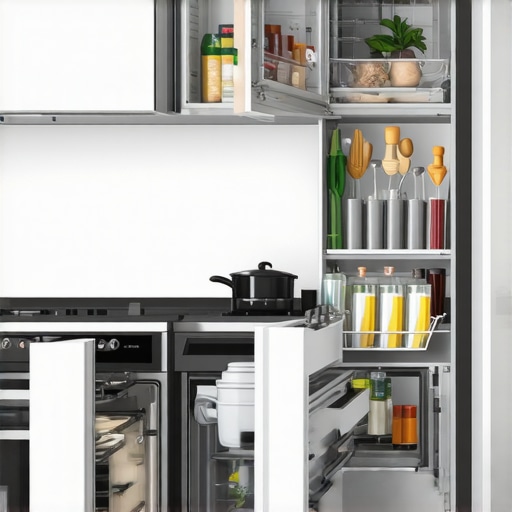
My Journey to a More Functional Kitchen
When I first moved into my home, I was frustrated with the cluttered cabinets and hard-to-reach spaces in my kitchen. I knew there had to be a better way to organize everything and make my daily cooking easier. That’s when I started exploring custom solutions, particularly designing and building my own kitchen pull-out shelves. It was a game-changer, turning my chaotic kitchen into a well-organized space that I truly enjoy working in.
Why I Chose to Design & Build Custom Kitchen Pull-Outs
After some research, I realized that custom kitchen pull-outs are one of the most effective ways to maximize storage and improve accessibility. Unlike standard cabinets, these pull-outs allow me to utilize every inch of space, especially in hard-to-reach corners and deep cabinets. According to experts on home improvement tips, tailored storage solutions can dramatically enhance kitchen functionality.
Designing Pull-Outs for Maximum Storage
My approach started with measuring my cabinet spaces carefully. I decided on adjustable shelves and sturdy slides to ensure durability. I also incorporated dividers to organize utensils, spices, and pantry items. The beauty of custom builds is that I could choose the materials and finish that matched my kitchen’s aesthetic. I learned that using high-quality materials not only improves the look but also extends the lifespan of the pull-outs. For inspiration, I visited sites dedicated to DIY home decor ideas for innovative ideas.
Building the Pull-Outs: Step-by-Step Insights
Building my own pull-outs involved some woodworking skills, but I followed detailed DIY guides for all skill levels. I started with cutting the panels, then assembling the slides and attaching them securely. I made sure to test each component thoroughly before installation. The satisfaction of creating a custom solution from scratch was immense. If you’re considering a similar project, I recommend checking out tutorials on DIY projects for beginners.
How Can I Customize My Kitchen Pull-Outs for Unique Needs?
Every kitchen is different, so customizing your pull-outs to fit your specific storage needs is essential. You can add features like soft-close mechanisms, built-in knife racks, or pull-out trash bins. Think about what items you use most and design compartments accordingly. For example, I added a spice rack that slides out for easy access, which has made cooking much more efficient.
If you’re inspired to upgrade your kitchen storage, I encourage you to explore different designs and materials. Sharing your own experiences or asking questions in the comments can be a fun way to learn from others. For more detailed DIY tips, visit DIY home improvement tips.
Unlocking the Full Potential of Your Kitchen Storage
Customizing your kitchen pull-out shelves isn’t just about making things look neat; it’s about tailoring your space to fit your lifestyle and culinary habits. An expert approach involves considering not only the size and shape of your items but also how you access and organize them for maximum efficiency.
Assessing Your Cooking and Storage Habits
Start by analyzing what you frequently use in your kitchen. Do you often cook with spices, or do you prefer bulk pantry items? By understanding your habits, you can design pull-outs that incorporate specialized compartments—like a built-in spice rack that slides out seamlessly or deep drawers for larger pots and pans.
Innovative Features to Elevate Your Custom Pull-Outs
To enhance functionality, consider integrating soft-close mechanisms that prevent slamming and noise, or adding built-in knife racks for safety and accessibility. Pull-out trash bins can be cleverly concealed within your cabinetry, maintaining a clean look while improving waste management. These small but impactful features exemplify how thoughtful customization offers long-term convenience.
Materials and Finishes for Personalized Style and Durability
Materials play a crucial role in both aesthetics and longevity. Opt for high-quality wood or sleek metal slides that resist wear. The finish should match your kitchen’s decor—whether that’s a rustic farmhouse style or modern minimalism. For more detailed guidance on materials, I recommend exploring DIY home decor ideas for inspiration.
Expert Advice: How Do I Ensure My Custom Pull-Outs Fit Perfectly?
The key to a flawless fit is precise measurement and planning. Use a tape measure and double-check dimensions before cutting any material. Consider the weight of your items—heavy pots require sturdier slides and reinforced panels. Planning for accessibility, like installing handles at comfortable heights, can make a significant difference in daily use. If you want to learn more about detailed measurements and installation tips, check out step-by-step DIY guides.
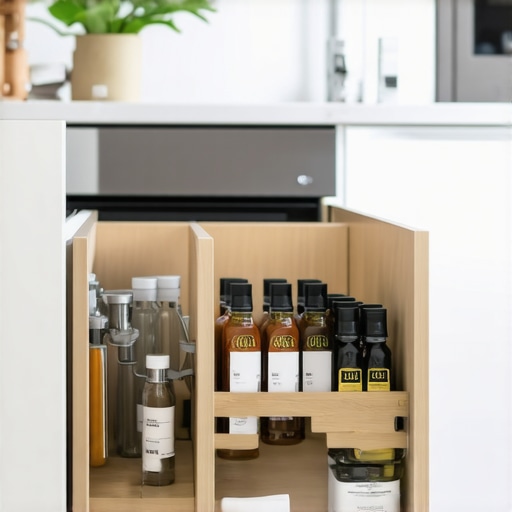
What are some innovative ways to customize pull-out shelves that maximize space and cater to specific kitchen needs?
Incorporating smart storage solutions can truly transform your kitchen. For example, using adjustable dividers allows you to adapt your organization as your needs change, and adding pull-out trays for baking sheets or cutting boards can save space and reduce clutter. Experts in kitchen design suggest that personalized solutions not only improve functionality but also add aesthetic value, especially when matching the materials and finishes to your existing decor.
If you’re eager to explore more advanced customization techniques or need inspiration for unique features, I recommend visiting DIY home decor ideas. Sharing your own customization ideas or questions can help foster a community of creative DIY enthusiasts eager to innovate.
Deepening the Customization: Beyond Basic Pull-Outs
When I first embarked on my DIY journey to design custom kitchen pull-outs, I underestimated the intricate balance between form and function. Over time, I realized that truly optimizing my kitchen storage meant delving into advanced customization—integrating smart features and materials that cater to my evolving culinary lifestyle. This process reminded me that every detail, from soft-close mechanisms to innovative dividers, plays a crucial role in creating a seamless user experience.
How Can I Incorporate High-Tech Features into My Pull-Outs?
Integrating technology into traditional cabinetry might sound daunting, but it offers remarkable benefits. For example, adding soft-close hinges not only reduces wear and tear but also enhances the overall serenity of your kitchen. More sophisticated options include sensor-activated drawers that open with a simple wave—perfect for busy mornings when hands are full. I experimented with installing these sensors using DIY kits available online, and the difference in everyday convenience was profound. For those interested in a deeper dive into smart DIY solutions, exploring smart home innovations can be inspiring.
What Are the Challenges in Implementing Tech-Integrated Pull-Outs?
One of the complexities I faced was ensuring compatibility between the mechanical components and electronic parts. Precise measurements and a clear understanding of wiring are essential. I also learned that power sources, like discreetly placed batteries or wiring to existing circuits, must be planned carefully to avoid clutter and safety issues. Balancing these technical aspects with aesthetic considerations, such as concealed wiring and minimal hardware, is a nuanced art that requires patience and experimentation.
Choosing the Right Materials for Durability and Style
Material selection is fundamental to the longevity and visual harmony of your custom pull-outs. I discovered that using high-quality plywood or hardwood ensures stability under weight, especially when you include features like pull-out trays for heavy cookware or pantry items. Finishes matter too—oil-based stains or eco-friendly paints can enhance durability while aligning with sustainable practices. For inspiration and detailed guidance, exploring eco-friendly DIY materials has been invaluable.
Reflecting on Personal Growth Through DIY Projects
Building these advanced pull-outs pushed my skills beyond simple carpentry. It became a journey of learning patience, precision, and creative problem-solving. Every successful installation boosted my confidence and deepened my appreciation for the craftsmanship behind functional design. I encourage fellow DIY enthusiasts to approach such projects not just as tasks but as opportunities for personal growth and innovation. Sharing your experiences or challenges in the comments can create a community of inspired makers eager to explore new frontiers of home improvement.
For those eager to take their DIY skills further, I recommend exploring advanced glazing techniques or experimenting with complex woodworking joints. Remember, each project is a step toward mastering your craft and transforming your living space into a personalized sanctuary.
Integrating Smart Technologies for Seamless Accessibility
One of the most transformative advancements I’ve explored involves integrating smart technology into traditional pull-out systems. By installing sensor-activated mechanisms, I was able to create a kitchen environment where drawers open effortlessly with a wave of the hand, significantly reducing clutter and enhancing hygiene. These systems can be connected to smart home hubs, allowing for automation routines—such as opening all storage compartments at once for cleaning or organizing. The challenge lies in ensuring compatibility between mechanical components and electronic modules; however, with precise measurements and thoughtful wiring, the results are remarkably rewarding. According to a recent study on smart home innovations by DIY home automation, integrating technology elevates both convenience and aesthetic appeal.
Things I Wish I Knew Earlier (or You Might Find Surprising)
Design Flexibility
Early in my project, I underestimated how much customization would enhance both the aesthetic and functionality of my kitchen. Realizing that I could tailor each pull-out to fit specific items transformed my approach, making storage more intuitive and visually appealing.
Material Matters
Choosing high-quality materials like hardwood or plywood with durable finishes was a game-changer. It not only improved the look but also ensured my pull-outs could handle weight and frequent use without warping or damage over time.
Precision is Key
Accurate measurements and planning saved me a lot of headaches during installation. Double-checking dimensions and considering the weight distribution helped me avoid fitting issues and ensured smooth operation of the pull-outs.
Incorporating Tech
Adding soft-close mechanisms and even sensor-activated drawers elevated my kitchen’s functionality. These features made opening and closing effortless, reducing noise and wear, and added a touch of modernity to my DIY upgrade.
Community Resources
Leaning on DIY guides and online forums provided invaluable tips and troubleshooting advice. Connecting with fellow DIY enthusiasts inspired me to try advanced features and learn new techniques, making the process more enjoyable and successful.
Resources I’ve Come to Trust Over Time
- DIY Kutak: Their comprehensive guides for all skill levels helped me understand the basics and advanced techniques, making my project smoother and more professional-looking.
- Home Improvement Tips: This site offers expert advice on materials and tools, which I found crucial for selecting the best options for durability and style.
- Creative DIY Home Decor Ideas: For inspiration on finishes and aesthetics, this resource sparked my creativity and helped me match my pull-outs to the overall kitchen design.
- Smart DIY Innovations: Their insights on integrating technology into woodworking projects encouraged me to add modern features like sensor activation, elevating my DIY skills.
Parting Thoughts from My Perspective
Designing and building custom kitchen pull-out shelves was more than just a DIY project; it became a personal journey of learning, experimentation, and creativity. The effort paid off in a more organized, efficient kitchen that truly fits my lifestyle. If you’re considering a similar upgrade, I encourage you to embrace the process, leverage available resources, and enjoy the satisfaction of creating something uniquely yours. Remember, every project is a step toward mastering your craft and transforming your space into a sanctuary. If this resonated with you, I’d love to hear your thoughts or experiences—feel free to share in the comments or pass this along to someone who might find it helpful.