
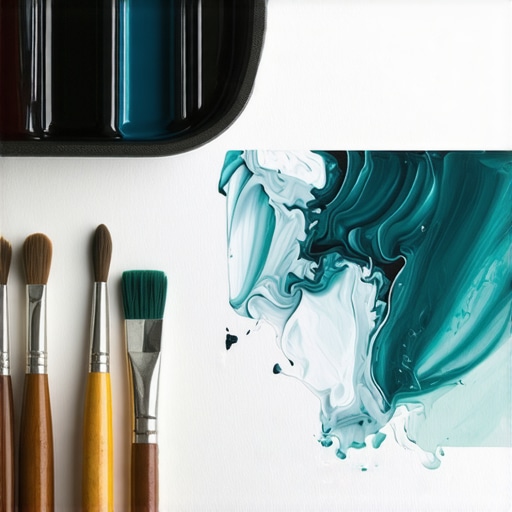
I remember the first time I tried encaustic painting. I was eager, brushes in hand, but ended up with a muddy mess. The colors blended into a dull, flat surface, leaving me frustrated and questioning if I was cut out for this art form. It wasn’t until I discovered the secrets of layering and texture that my work truly transformed. That lightbulb moment changed everything.
Why Layers Make Your Art Pop and Last
In encaustic painting, layering isn’t just a technique—it’s the foundation of depth and vibrancy. Each layer adds richness, creating a complex visual story that draws viewers in. Plus, properly built layers can protect your artwork over time, ensuring it stays stunning for years. If you’re tired of flat, uninspired pieces, understanding how to build layers effectively is your game-changer.
Ever Wondered If Texture Is Just a Fancy Add-On?
Honestly, I used to think texture was just a decorative afterthought—until I realized it could be the heartbeat of my art. Early on, I made the mistake of applying too much medium, which made my pieces sticky and fragile. Learning to balance texture with the right tools and techniques turned my work from dull to dynamic. Want to avoid my early pitfalls? Keep reading, because I’ll guide you through the proven steps to master textures and layers for stunning encaustic art.
Build Your Base with Thin, Even Layers
Start by applying a thin, smooth layer of encaustic medium to your surface. Use a wide, clean brush or a hot palette knife to spread the wax evenly. This initial layer acts as a primer, ensuring better adhesion for subsequent layers and preventing your colors from becoming muddy. I vividly remember my first attempt—my hands trembled, and I hurried, which resulted in a thick, uneven coat that cracked as it cooled. Learning to control the heat and work with thin layers transformed my work into a smooth, luminous surface.
Use Heat to Your Advantage
Encaustic painting relies heavily on heat. Use a heat gun or a heated palette to keep your wax malleable. After each layer, gently warm the surface to fuse the layers together. This fusion enhances durability and depth. I once tried layering without proper heating, and the wax separated, creating unsightly ridges. Now, I always use a heat source to melt and blend layers seamlessly, which brings a luminous glow to my art.
Master Texture with Tools and Techniques
Texture breathes life into your encaustic art. Experiment with different tools like palette knives, scrapers, brushes, and even household items like combs or sponges. For example, I once used a stiff-bristled brush to carve into the wax while still warm, creating ridges that added a tactile dimension. Allow layers to cool slightly before manipulating them to achieve varied textures—rough, smooth, or cracked. This process transforms flat surfaces into dynamic compositions that invite viewers to explore every detail.
Layering for Depth and Vibrancy
Apply colors in translucent or opaque layers depending on your desired effect. Work in stages, letting each layer cool and fuse before adding the next. This gradual build-up creates a complex, multi-dimensional surface. I once layered a vibrant red over a muted blue, then scraped parts away to reveal the underlying hues, resulting in a rich, textured finish. Remember, patience is key; each layer should be carefully fused to prevent bleeding or muddiness.
Incorporate Mixed Media and Recycled Materials
Combine encaustic with other materials such as paper, fabric, or found objects. Embedding elements into the wax can add both texture and symbolism. For instance, I embedded dried leaves into my piece, which added natural texture and a rustic feel. Secure these materials with a thin layer of wax, then build upon them with additional layers for a cohesive finish. This method not only enhances visual interest but also tells a story through texture and material contrast.
Experiment and Practice
Every artist’s hand is different, so don’t be afraid to experiment. Try different layering sequences and textures on scrap pieces before committing to your main work. I learned this lesson after a few failed attempts—each mistake brought me closer to understanding how heat, timing, and tools influence the final result. Over time, these techniques will become second nature, allowing you to create truly stunning encaustic artworks that captivate and endure.
Many artists dive into encaustic painting with enthusiasm but often fall prey to misconceptions that can hinder their progress. One prevalent myth is that layering wax is simply about piling on more material for richness. In reality, effective layering demands a nuanced approach—thin, well-fused layers create luminosity and depth, while thick, uneven applications can crack or become fragile over time. Mastering this nuance separates seasoned artists from beginners.
Another widespread mistake is neglecting the importance of proper heat control. Some believe that using a heat gun or palette knife at any temperature will suffice, but inconsistent heat application can cause layers to fuse poorly, leading to uneven textures or even melting parts of your work unintentionally. Advanced artists know that maintaining a steady, controlled heat is crucial for seamless fusion and vibrant color integration. According to a study by Art & Design Institute, controlled heat application significantly enhances the durability and aesthetic quality of encaustic surfaces.
Why Do So Many Get Texture Wrong and How to Fix It?
Texture is often misunderstood as just a surface decoration, but in encaustic art, it can be a powerful storytelling tool. Beginners tend to apply texture uniformly or overuse tools, resulting in a chaotic or flat appearance. The key lies in understanding the ‘sweet spot’—cooling layers slightly before manipulating them, and selecting tools that create intentional, varied effects. This advanced technique requires patience and practice, but it can elevate your work from simple to sophisticated.
Furthermore, many artists overlook the importance of embedding mixed media elements thoughtfully. Embedding objects without considering their compatibility with wax or without proper adhesion can lead to deterioration over time. Embedding materials like paper, fabric, or found objects should be done with an understanding of their thermal properties and how they respond to heat and light. Proper sealing and layering techniques ensure longevity, which is vital for pieces meant to last decades.
To truly harness the potential of encaustic painting, artists should focus on the subtle details—heat control, layering finesse, and texture manipulation—rather than just the basic steps. These nuances make a difference between a good piece and a masterpiece. Have you ever fallen into this trap? Let me know in the comments. For more advanced techniques and tips, check out our ultimate guide to advanced encaustic methods.
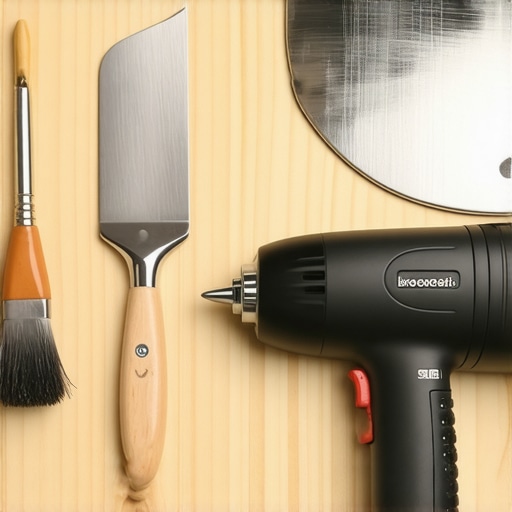
Keeping your encaustic supplies in top shape is essential for ensuring your artwork remains vibrant and durable over time. I personally rely on high-quality heat guns like the Wagner HT1000, which provides consistent, adjustable heat without overheating the wax or causing uneven fusing. Using a reliable tool like this minimizes the risk of cracks and ensures each layer bonds perfectly. For palette knives, I prefer stainless steel options with a comfortable handle—these give me precise control when manipulating wax, shaping textures, or embedding materials. Investing in tools that are ergonomically designed helps prevent fatigue during longer sessions, keeping your work consistent and high quality.
How do I maintain my encaustic tools over time?
Regular cleaning is key. After each session, gently wipe your palette knives and brushes with a lint-free cloth dipped in mineral spirits or warm, soapy water, depending on the tool material. For heat guns, check the vents periodically and ensure the nozzle is free of wax buildup. I also recommend storing your tools in a dedicated case or drawer with dividers—this prevents damage and keeps them ready for your next project. Additionally, replacing worn or damaged tools promptly prevents accidents and ensures your work remains flawless. As encaustic art evolves, so do the tools; I predict a rise in smart temperature controls integrated into heat guns, making precise fusion easier for artists at all skill levels. Incorporating such advanced tech can significantly enhance your workflow and the longevity of your pieces.
To further optimize your process, consider using a silicone mat or a non-stick surface on your workstation, which makes cleanup easier and protects your tools from wax residue buildup. For digital inspiration and tutorials, explore our creative DIY projects for home decor—these can inspire innovative ways to incorporate encaustic art into your living space. Remember, maintaining your tools isn’t just about cleanliness; it’s about preserving their integrity and your artistic vision over the long haul. So, try out one of these maintenance tips today and see how much smoother your future projects will go.
< >
>
The Hardest Lesson I Learned About Encaustic Layers
One of the most valuable lessons I discovered was that layering wax isn’t about piling on more material; it’s about finesse. Thin, well-fused layers create luminosity and depth, whereas thick applications can lead to cracking or a dull finish. This realization transformed my approach, making my work more vibrant and durable.
How I Finally Got Texture Right
Texture isn’t just decoration—it’s an expressive tool. I used to overdo it, applying too much or rushing the process, which resulted in chaotic surfaces. Learning to manipulate wax at just the right moment—cooling layers slightly before shaping—allowed me to create dynamic, tactile effects that truly enhance my compositions.
The Power of Proper Heat Control
Controlling heat is crucial. Early on, I didn’t pay attention to temperature consistency, leading to uneven fusions and ruined pieces. Now, I use a steady hand and a quality heat gun, ensuring each layer melts seamlessly into the next. This simple shift has dramatically increased the longevity and vibrancy of my work.
Embedding Materials with Intention
Embedding objects adds narrative and texture, but it’s easy to embed without considering their thermal response. I learned to select materials that respond well to heat and to seal them properly with layers of wax. This ensures my mixed media pieces remain intact over time and tell a richer story.
Embrace Experimentation for Growth
Every mistake I made was a stepping stone. I encourage you to try different tools, layering sequences, and textures on scrap pieces. Over time, these experiments build confidence and skill, helping you develop a personal style that makes your encaustic art uniquely yours.
This post really resonated with my own journey in encaustic art. I remember starting out with much the same frustration, especially struggling to get the layers right without it becoming too thick or crack-prone. What helped me was experimenting with very thin layers and pacing myself—letting each layer cool slightly before adding the next. The difference it made in the vibrancy and durability of my work was remarkable. I also found embedding natural elements like dried flowers or found objects added a wonderful depth and narrative to my pieces. Have others here found that incorporating mixed media significantly elevates their artwork? I’d love to hear about what materials or techniques have made a real difference for you. Mastering heat control, as you mentioned, really transforms the process—I’ve invested in a quality heat gun and noticed how much smoother my layering and fusion became. It’s all about patience and practice, but the results are definitely worth it.
Reading this post really hit home for me, especially about the importance of heat control and layering finesse. When I first started with encaustic, I often rushed the process, which led to cracked layers and uneven textures. It was only after I invested in a good quality heat gun and took my time to fuse each layer properly that my work improved dramatically. I also started experimenting with embedding small objects like textured fabric scraps and dried herbs, which added deeper narrative layers to my pieces. Balancing texture and transparency has been a real game-changer, allowing me to create more complex and compelling compositions. For those struggling with achieving smooth fusion, do you find that adjusting the temperature gradually instead of applying high heat all at once makes a difference? I’d be interested to hear others’ experiences with temperature management and embedding techniques, especially when working with mixed materials.