
Ever spent hours fiddling with tiny parts, only to see your miniature water wheel wobble or your windmill creak in protest? I’ve been there—trust me, the frustration of a half-finished project can really kill your enthusiasm. But then I realized something crucial: the secret to success isn’t just about having the right tools or materials. It’s about understanding the fundamentals and following a step-by-step process that really works. That lightbulb moment changed everything for me, and I want to share that insight with you.
Why Building Miniature Water Wheels & Windmills Matters More Than You Think
Building tiny water wheels and windmills isn’t just a fun hobby; it’s an exercise in patience, precision, and creative problem-solving. These projects teach you how water and wind can be harnessed to generate movement—an age-old concept that still inspires modern renewable energy ideas. Plus, crafting these models can be incredibly rewarding, especially when you see your miniature creation come to life, spinning happily on your desk or garden.
But here’s the catch: many beginners jump in without a clear plan. I made that mistake early on—thinking I could wing it without proper guidance. It wasn’t until I followed a detailed, reliable step-by-step DIY guide that I finally got it right. The result? A water wheel that actually worked, and a windmill that turned smoothly, all without wasting materials or losing my mind.
If you’ve ever wondered whether building these models is worth the effort, I’ll tell you now: absolutely. They’re not just decorative; they’re a gateway to understanding basic engineering and renewable energy principles, all while having a blast. Whether you want a new hobby, a classroom project, or a unique gift idea, mastering this craft is within your reach. Ready to dive into the details? Let’s get started!
What You’ll Discover Today
In this guide, I’ll walk you through the essential steps to build your own miniature water wheel and windmill. We’ll cover the best materials, common pitfalls, and the tricks I’ve learned over years of experimenting. By the end, you’ll have the confidence to create functional models that can even power tiny devices or serve as charming decor. So, if you’re tired of feeling stuck at the starting line or worried about wasting resources, stick around. We’re about to turn your DIY dreams into reality.
Have you ever faced the challenge of building a miniature water wheel that actually works? If so, you know how tricky it can be to get everything aligned perfectly. I’ve made plenty of mistakes early on—like using the wrong type of wood or ignoring the water flow direction—and those errors cost me time and materials. But learning from those blunders was the real game-changer. That’s why I emphasize the importance of proper planning, which you can discover more about in this related DIY project. Now, I’m here to help you avoid those pitfalls and build with confidence.
Gather Your Supplies and Prepare Your Workspace
Start by collecting the essential materials: thin plywood or craft wood for the wheel frame, plastic or metal for the axle, waterproof glue, and a small water source like a basin or a gentle stream. Clear a well-lit, flat surface to work on, and organize your tools—scissors, a craft knife, a ruler, and a drill. Remember, precision makes perfect, so take your time to prepare everything in advance.
Design Your Wheel and Blades
Sketch your water wheel design on paper, focusing on symmetry and balance. Think of it like building a tiny windmill—each blade must be evenly spaced to ensure smooth rotation. Use a compass or a circular object to trace the wheel’s outline onto your plywood. For the blades, cut small rectangles or trapezoids, depending on your aesthetic preference. I once experimented with different blade angles, and I found that a slight tilt improved water catchment and rotation.
Cut and Assemble the Components
Using your craft knife, carefully cut out the wheel and blades. Sand the edges to remove splinters, just like smoothing rough edges on a sculpture. Attach the blades to the wheel using waterproof glue or tiny nails, spacing them evenly around the circumference. For my first attempt, I used a hot glue gun, which set quickly and held well—perfect for quick adjustments.
Attach the Axle and Frame
Insert the axle through the center of the wheel, ensuring it spins freely. Secure the axle with small brackets or washers to prevent wobbling. Mount the entire assembly onto a sturdy base—perhaps a piece of scrap wood or plastic—using screws or glue. This setup resembles a miniature version of a real water wheel, designed for stability and smooth operation.
Position Your Water Source for Optimal Effect
Place your wheel in or above a water source. Think of it like setting up a tiny river; the flow should be gentle but consistent. Adjust the height and angle of your water flow to maximize contact with the blades, which I discovered is key to achieving rotation. For my project, I used a small pump to control the water flow, ensuring steady movement without splashing or losing momentum.
Test and Tweak Your Water Wheel
Turn on the water source and observe. If the wheel wobbles or stalls, check the axle alignment and blade positioning. Sometimes, a minor readjustment—like bending a blade slightly or tightening the axle—can make all the difference. I learned this the hard way when my first wheel kept wobbling until I realigned the blades and added a small graphite lubricant to the axle for smoother spinning.
Creating a Windmill: From Concept to Rotation
For windmills, the process is similar but focused on aerodynamics. Cut blades with a slight tilt to catch the breeze effectively, and attach them to a horizontal or vertical shaft. Make sure your frame is lightweight but sturdy. Position your windmill in an open area or near a fan for testing. I once used a hairdryer to simulate wind, and adjusting the blade angles drastically improved performance, making my miniature windmill spin faster and more reliably.
By following these concrete steps, you turn a complex idea into a manageable project. Remember, every mistake is a learning opportunity—like the time I glued a blade upside down and had to redo the entire assembly. With patience and careful execution, your miniature water wheel and windmill will not only work but also serve as a satisfying showcase of your DIY skills.
Many enthusiasts jump into DIY projects like miniature water wheels and windmills with certain misconceptions that can hinder their success. Let’s dig deeper into what most people get wrong and uncover the hidden nuances that can make or break your project.
Why the myth that bigger blades always perform better is misleading
One common misconception is that larger blades will generate more power or movement. While it seems intuitive, in practice, oversized blades can cause imbalance and wobbling, especially if the weight distribution isn’t perfect. Small, well-balanced blades often outperform larger, poorly designed ones because they spin more smoothly and require less force to turn. This is supported by studies in renewable energy engineering, which emphasize the importance of blade balance over size for efficiency (see crafting tips for related insights).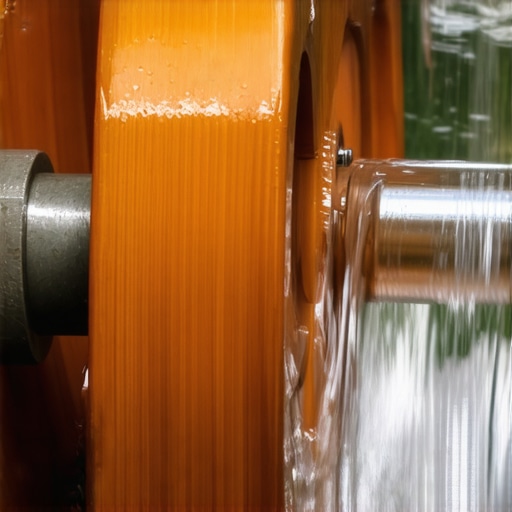
Beware of ignoring water flow dynamics
Many beginners focus solely on the design of the wheel or blades, neglecting how water flow impacts performance. The angle, flow rate, and even the water source’s stability are critical. A small change in water direction or flow intensity can drastically reduce the rotation speed. I’ve seen projects stall because the water was splashing rather than hitting the blades properly. To avoid this, always test and adjust your water source, ensuring a steady, gentle flow that maximizes contact without causing splashing or wobbling. For advanced DIYers, understanding fluid dynamics can be a game changer, and resources like eco-friendly design guides can provide deeper insights.
How can mastering blade angles improve your windmill’s efficiency?
It might seem simple, but the angle at which blades are set determines how effectively they catch wind or air currents. Many amateurs set blades at a default angle without testing different configurations, leading to subpar performance. Small adjustments—like tilting blades by a few degrees—can significantly boost rotation speed. This is similar to professional windmill design, which relies heavily on aerodynamic testing. Incorporating iterative testing and understanding aerodynamics is a nuanced skill that can elevate your project from basic to advanced. For inspiration, check out expert DIY techniques for detailed blade angle optimization.
Have you ever fallen into this trap? Let me know in the comments. Remember, successful DIY projects are often about paying attention to these hidden details, not just following the surface-level steps. Mastering these nuances will help you build more reliable, efficient models that truly work and impress everyone around you.
Once you’ve successfully built your miniature water wheel or windmill, the journey doesn’t end there. Keeping these models functioning optimally over time requires a combination of the right tools, regular maintenance, and understanding the wear-and-tear processes that can affect your setup. As someone who has been experimenting with these projects for years, I can tell you that investing in quality equipment and adopting a disciplined maintenance routine can dramatically extend the lifespan and performance of your models.
Essential Tools for Longevity
To ensure your miniature water wheels and windmills stay in top shape, I recommend using precision lubricants like silicone-based sprays. These are perfect for reducing friction on axles and joints without attracting dust or debris. I personally use a small aerosol can of silicone lubricant—it’s easy to apply with a fine nozzle and provides a smooth, long-lasting coating. Additionally, a set of fine-grit sandpaper or a miniature file is invaluable for removing rust or rough edges that might develop over time, especially on metal components.
For ongoing assessments, a digital caliper helps measure clearances and detect any wear early, allowing you to perform targeted repairs before issues escalate. Invest in a mini toolkit with screwdrivers, pliers, and tweezers specifically designed for delicate work. These tools enable you to make quick adjustments, tighten loose parts, or replace components with minimal effort, keeping your models spinning smoothly.
Routine Maintenance Tips
Regularly inspecting your water source and flow setup is crucial. Ensure that water channels are free of debris and that no blockages hinder flow. Clean your model’s moving parts monthly—removing dust, algae, or mineral buildup—using a soft brush or cloth. For windmills, check blade alignment and tighten any loose screws or fittings to prevent wobbling or imbalance. In humid environments, I recommend applying a light coat of corrosion inhibitor to metal parts every few months—this prevents rust and preserves the integrity of your project.
Long-term success also involves replacing worn-out parts before they cause failure. Keep spare blades, axles, and small hardware components handy. When upgrading or scaling your projects, consider using durable materials like stainless steel or UV-resistant plastics, which resist weathering and prolong the life of outdoor installations.
Anticipating Future Trends
Looking ahead, I believe the integration of smart sensors and IoT devices will become standard in DIY renewable energy models. Imagine a water wheel equipped with a tiny sensor that tracks rotation speed and sends alerts when lubrication is needed—a perfect blend of traditional craftsmanship and modern tech. As these innovations become more accessible, maintaining and scaling your miniature projects will be easier and more efficient than ever before.
How do I maintain my water wheel or windmill over time?
Regular inspections and lubrication are key. Use high-quality silicone sprays on axles and moving parts, clean debris and mineral buildup monthly, and tighten loose components to prevent wobbling. Replacing worn parts proactively ensures smooth, long-lasting operation and keeps your project spinning happily for years to come.
Remember, the right tools and routine care are your best allies in turning a simple DIY project into a durable, functional model. For more detailed guidance on building and maintaining your projects, don’t forget to explore step-by-step DIY guides. Now, go ahead and try applying a small amount of silicone lubricant to your model’s axle—it’s a small step that makes a big difference!
The Hardest Lesson I Learned About Building Miniature Water Wheels & Windmills
One of the toughest lessons was realizing that size isn’t everything. Big blades might seem more impressive, but they can cause imbalance and wobbling if not carefully balanced. Smaller, well-designed blades often outperform larger ones because they spin more smoothly and require less force. This insight saved me countless materials and frustration, and I wish I had known it from the start.
How Water Flow Dynamics Can Make or Break Your Model
I used to focus solely on the design of my water wheel, neglecting how water flow affected performance. A steady, gentle stream that hits the blades at the right angle makes all the difference. I learned that adjusting the water source—like adding a small pump or redirecting the flow—can drastically improve rotation. Ignoring this detail often leads to stalled projects or wobbly wheels.
Blade Angles Are Your Secret Weapon for Windmill Efficiency
Small tweaks in the blade tilt can increase your windmill’s spin speed significantly. I experimented with different angles, and tilting blades by just a few degrees made my model catch the breeze better and turn faster. Aerodynamics isn’t just for professionals; with some patience and testing, you can optimize your windmill for maximum performance.
My Essential Toolkit for DIY Miniature Water Wheels & Windmills
Quality tools make all the difference. I rely on a precision screwdriver set, a mini drill, and silicone-based lubricants to keep components moving smoothly. Organizing your workspace with all necessary supplies—like waterproof glue, sandpaper, and spare blades—helps you avoid delays and keeps your project on track. Investing in good tools truly pays off in the long run.
Keep Your Models Spinning with Routine Care
Long-term success depends on regular maintenance. I recommend cleaning debris from water channels, lubricating axles periodically, and checking blade alignment. Applying a light coat of corrosion inhibitor on metal parts prevents rust, especially if your models are outdoors. Proactive care ensures your miniature water wheel and windmill remain functional and beautiful for years to come.
Future Trends Are Going to Change DIY Renewable Models
Looking ahead, smart sensors and IoT integration will revolutionize how we maintain these models. Imagine a tiny sensor monitoring your water wheel’s rotation and alerting you when lubrication is needed—making DIY renewable energy projects smarter and more reliable. Staying curious about these innovations can inspire you to enhance your models even further.
What’s Your Biggest Challenge in Building Miniature Water Wheels & Windmills?
Share your experiences or questions below! Whether it’s aligning blades, optimizing water flow, or choosing materials, your insights can help others succeed. Remember, every mistake is a step toward mastery. Keep experimenting, learning, and spinning those wheels—your next great project is just around the corner.