
My Journey into Creating Unique Metal Art from Scrap Materials
I still remember the first time I picked up a rusty piece of scrap metal at a local junkyard, wondering if I could turn it into something beautiful. That moment sparked my passion for welding and sculpting, transforming discarded materials into stunning DIY art pieces. Over time, I discovered that scrap metal is an incredibly versatile medium, perfect for expressing creativity while also being environmentally friendly.
Getting Started with Scrap Metal Sculpting
Initially, I was daunted by the idea of welding, but I found that with some basic tools and patience, anyone can start creating. I recommend beginning with simple projects, like small abstract sculptures or decorative wall hangings. For inspiration and guidance, I often browse websites like DIY Kutak, which offers fantastic ideas for incorporating DIY projects into home decor.
My Favorite Scrap Metal Art Ideas
One project I particularly enjoyed was crafting a metal tree using scrap rods and sheets. I welded together various pieces, giving each branch unique character. This process taught me the importance of planning and patience, especially when working with different metals that expand and contract at different rates. Sharing my progress on social media, I was amazed at how many people appreciated the beauty of repurposed materials.
How to Master Welding & Sculpting Techniques
As I gained more confidence, I delved deeper into advanced techniques like metal grinding, patina application, and intricate welding patterns. For those interested in elevating their skills, I recommend exploring online tutorials and courses, such as those found on DIY Kutak. Remember, safety first — always wear protective gear and work in well-ventilated areas.
What are some creative ways to showcase scrap metal art at home?
Displaying your metal sculptures thoughtfully can enhance your living space. Consider mounting smaller pieces on walls or creating outdoor garden installations. I’ve found that combining natural elements like plants with metal art creates a harmonious aesthetic. If you’re looking to add a personal touch, try incorporating recycled objects or even old tools into your designs.
If you’re excited to start your own scrap metal sculpture journey, I encourage you to share your projects and ideas in the comments below. Connecting with fellow DIY enthusiasts can inspire new techniques and creative breakthroughs!
For more insights into sustainable and eco-friendly DIY projects, check out DIY Kutak’s home decor ideas. Remember, every piece of scrap can be transformed into a work of art with a little imagination and effort.
How Can Advanced Welding Techniques Transform Your Scrap Metal Sculptures?
As you progress beyond basic welding, exploring advanced techniques like TIG (Tungsten Inert Gas) welding and MIG (Metal Inert Gas) welding can significantly enhance the quality and detail of your scrap metal art. TIG welding, known for its precision, allows for delicate joins and intricate designs, making it ideal for detailed sculptures and fine finishes. MIG welding, on the other hand, is faster and better suited for larger projects or when working with thicker metals. Mastering these methods can open up new creative possibilities, such as incorporating mixed metals or creating complex, layered structures that require seamless joins.
What Are Some Creative Strategies for Displaying Scrap Metal Art at Home?
Showcasing your creations thoughtfully can elevate the aesthetic appeal and reflect your artistic vision. Wall-mounted pieces, for example, can serve as striking focal points in living rooms or galleries. To create a cohesive display, consider pairing your sculptures with natural elements like stones, wood, or live plants, which can soften the industrial look and add harmony to your space. For outdoor gardens, large-scale installations or kinetic sculptures can interact with sunlight and wind, adding dynamic visual interest. Using reclaimed materials like old tools or bicycle parts as bases or accents can also personalize your work and emphasize sustainability, aligning with eco-conscious design principles.
What Are the Key Safety Considerations When Working with Scrap Metal?
Safety remains paramount in any welding or metalworking project. Always wear appropriate protective gear, including welding masks, gloves, and long-sleeved clothing, to shield against sparks, UV rays, and hot surfaces. Ensure your workspace is well-ventilated, especially when applying patinas, paints, or sealants that emit fumes. Additionally, inspect your tools regularly for wear or damage to prevent accidents. Understanding the properties of different metals—such as their expansion rates and welding behaviors—is crucial to avoid warping or cracking during fabrication. For comprehensive safety tips and resource guides, explore trusted sources like DIY Kutak’s DIY home decor ideas.
Have You Considered Incorporating Mixed Media into Your Metal Art?
Combining scrap metal with other materials—such as glass, wood, or fabric—can add texture, color, and depth to your sculptures. For instance, embedding glass shards or recycled ceramics can create vibrant contrasts, while integrating wood elements can introduce warmth and organic shapes. This multidisciplinary approach not only broadens your creative horizons but also enhances the visual impact of your work. Experimenting with mixed media requires a good understanding of material compatibilities and adhesion techniques, which can be gained through online tutorials and workshops available on platforms like DIY Kutak. Feel free to share your experiments and breakthroughs in the comments—your insights could inspire fellow artists and DIY enthusiasts.
If you’re eager to deepen your skills in scrap metal sculpting, exploring advanced techniques like patina application and intricate welding can set your work apart. Remember, continuous learning and experimentation are key to mastering this craft. For thorough guides on building your projects step-by-step, visit DIY Kutak’s detailed DIY guides. Don’t forget to share your progress and ideas with our community—collaborative inspiration fuels creative growth!
Unlocking the Nuances of Metal Art: Personal Insights and Advanced Strategies
Over the years, my journey into scrap metal sculpture has revealed a world rich with complexity, challenge, and profound satisfaction. While beginners often focus on basic welding and simple assemblages, delving into advanced techniques like TIG welding has transformed my work into intricate, polished masterpieces. These methods demand precision and patience, but the results—delicate joints, seamless finishes, and detailed textures—are truly rewarding. For those eager to push their boundaries, exploring resources like DIY Kutak can provide invaluable guidance on mastering sophisticated welding and fabrication skills.
Beyond the Basics: Embracing Mixed Media and Textural Depths
One aspect that profoundly enhances my sculptures is integrating mixed media—combining metal with elements like glass, wood, or fabric. This multidisciplinary approach introduces vibrant contrasts and tactile richness, turning a simple sculpture into a layered story. For example, embedding colored glass shards within a metal frame creates a striking visual dialogue, while adding reclaimed wood elements introduces warmth and organic forms. Such techniques require understanding material compatibility, especially adhesion and expansion properties; online tutorials and workshops can accelerate this learning curve. Sharing my experiments, I find that mixing materials not only elevates artistic expression but also invites viewers to explore textures and stories within each piece.
Refined Display Strategies: Turning Art into Personal Statements
Showcasing scrap metal art thoughtfully transforms a workspace or home into a gallery that reflects your personality and artistic vision. Wall-mounted pieces, especially those with dynamic shapes or kinetic elements, serve as focal points that command attention. Pairing sculptures with natural elements like stones, plants, or reclaimed wood creates harmony between industrial and organic aesthetics. Outdoor installations—large sculptures or kinetic mobiles—interact with sunlight and wind, adding a living dimension to your work. Personalizing your display with recycled objects or old tools can further emphasize your commitment to sustainability and craftsmanship. I encourage fellow artists to experiment with display methods, as presentation often influences how art is perceived and appreciated.
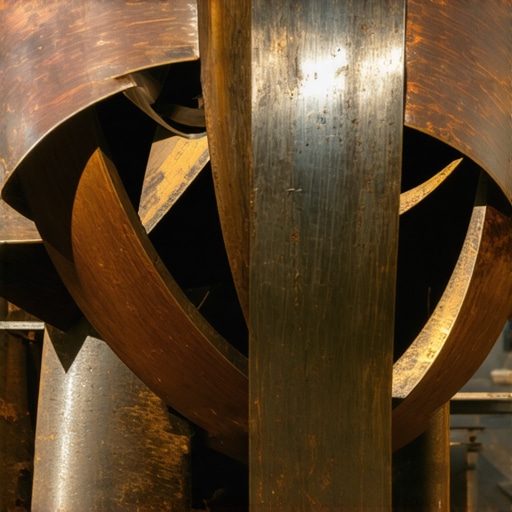
Integrating advanced welding techniques requires not only skill but also a keen understanding of safety protocols. Always wear appropriate protective gear and work in ventilated spaces to prevent hazards from fumes and sparks. Regularly inspecting tools and understanding the properties of different metals help prevent warping or cracking during fabrication. For comprehensive safety tips, explore DIY Kutak’s DIY home decor ideas—your safety is the foundation of creative mastery.
Incorporating Sustainability and Artistic Innovation
One of the most rewarding aspects of working with scrap metal is the opportunity to contribute to environmental sustainability. By transforming discarded materials into art, I embrace eco-friendly practices and challenge the notion of waste. Experimenting with patinas, natural dyes, and environmentally safe sealants can further enhance your sculptures’ beauty and longevity. For example, using natural earth pigments for patinas adds depth and color while aligning with eco-conscious values. Sharing your innovations can inspire others to see scrap metal not as refuse but as a canvas for creative reuse. Connect with the community through comments or social media to exchange ideas and techniques, fostering a collective movement toward sustainable artistry.
Deepening Your Artistic Practice: The Continuous Journey
Mastering advanced techniques in scrap metal sculpting is a journey of constant learning, experimentation, and reflection. Each project reveals new challenges and insights—be it perfecting a welding pattern or integrating diverse materials seamlessly. I’ve found that keeping a journal of techniques, experiments, and ideas helps track progress and sparks new inspiration. Remember, even setbacks are part of the creative process, teaching patience and perseverance. For comprehensive guides on complex projects, DIY Kutak’s detailed DIY guides can support your growth. Share your progress and insights; your experiences may inspire others to elevate their craft and explore new creative horizons.
Refining Your Craft with Precision: The Role of Heat Treatment in Metal Sculpting
One often overlooked aspect of creating durable and intricate scrap metal sculptures is the application of heat treatment. Properly annealing or tempering metals can significantly influence the flexibility, strength, and surface finish of your artwork. For example, after welding or shaping, carefully controlled heat cycles can relieve internal stresses, preventing cracking and warping over time. This process requires a nuanced understanding of different metals—such as steel, copper, or aluminum—and their unique responses to heat. Exploring advanced resources like DIY Kutak can deepen your knowledge of metallurgical techniques, ensuring your sculptures remain resilient and aesthetically refined through years of exposure and handling.
How Can Integrating Electronic Components Elevate Scrap Metal Sculptures?
Incorporating electronic elements into your scrap metal art opens a realm of dynamic, interactive possibilities. Small LED lights, solar-powered modules, or motion sensors can transform static sculptures into mesmerizing installations that respond to environmental stimuli or viewer interaction. For example, embedding tiny solar cells within a metal tree sculpture can illuminate it at night, creating a captivating visual effect. Achieving this integration demands a sophisticated understanding of both electrical wiring and metalwork—ensuring that connections are secure and insulated against environmental factors. I recommend experimenting with beginner-friendly kits and tutorials available on platforms like DIY Kutak. Sharing your electrified creations not only pushes your technical boundaries but also inspires a new wave of eco-friendly, tech-infused artistic expression.
What Are the Ethical Considerations in Recycling and Repurposing Scrap Materials?
Engaging with scrap metal as an artistic medium inherently involves ethical reflections on sustainability and environmental responsibility. While repurposing discarded metals reduces waste and minimizes environmental impact, it’s important to source materials responsibly—ensuring they are free of hazardous substances like lead or asbestos. Moreover, transparency about your materials and processes can foster trust and promote eco-conscious practices within the artistic community. Incorporating recycled elements also invites a narrative that emphasizes resilience and transformation, resonating deeply with viewers. For a comprehensive understanding of sustainable art practices, I suggest exploring DIY Kutak’s insights into eco-friendly DIY projects. Embracing these ethical considerations enriches your artistic journey, making your sculptures not only visually compelling but also socially responsible.
How Does Continuous Learning and Community Engagement Accelerate Artistic Mastery?
The path to mastering advanced scrap metal sculpting is as much about ongoing education and community participation as it is about technical skill. Regularly participating in online forums, workshops, and social media groups enables you to exchange ideas, troubleshoot challenges, and stay inspired. Sharing your projects—be it through detailed tutorials or casual posts—can attract constructive feedback and collaborative opportunities. Personally, I’ve found that engaging with a community of like-minded artists fosters innovation, pushing me to experiment with new materials and techniques, such as mixed media or kinetic elements. For those eager to elevate their craft, exploring comprehensive guides like DIY Kutak’s DIY guides can provide structured pathways to skill enhancement. Remember, the journey of artistic mastery is ongoing—embrace each project as a learning experience and actively seek community connections to enrich your creative horizon.
Things I Wish I Knew Earlier (or You Might Find Surprising)
The Power of Patience
One of the most underestimated aspects of scrap metal sculpting is patience. I used to rush through projects, eager to see the finished piece, only to be frustrated by warping or weak welds. Over time, I learned that taking my time, especially with intricate welds or fragile designs, yields much better results and a sense of satisfaction that lasts beyond the project itself.
Every Scrap Has a Story
Initially, I saw scrap metal as just discarded junk, but now I see each piece as a story waiting to be told. Whether it’s an old bicycle gear or a rusty sheet, these elements add character and history to my sculptures. Embracing this perspective helps me connect more deeply with my work and infuse my art with meaning.
Mastering Basic Techniques Opens Doors
Before diving into complex sculptures, I wish I had spent more time perfecting fundamental welding and cutting skills. These basic techniques are the foundation for everything else. Once mastered, they offer endless possibilities for creativity and innovation in scrap metal art.
Safety Is Non-Negotiable
Early on, I underestimated the importance of safety gear. Now, I wear gloves, masks, and protective eyewear religiously. Working with scrap metal involves sparks, fumes, and sharp edges—neglecting safety can lead to serious accidents. Prioritizing safety enables me to work confidently and enjoy the process without worry.
Display Matters Just as Much as Creation
Showcasing my scrap metal art thoughtfully has taught me that presentation can elevate a piece from good to stunning. Whether hanging on a wall, placing outdoors, or integrating with natural elements, how you display your work influences how others appreciate its beauty and craftsmanship.
Resources I’ve Come to Trust Over Time
DIY Kutak
This website has been my go-to for comprehensive DIY tutorials and project ideas, especially for advanced welding and creative reuse. The step-by-step guides and tips have helped me refine my skills and push my creative boundaries.
Instructables
A vibrant community and a treasure trove of user-generated projects, Instructables offers countless tutorials on scrap metal art, welding, and fabrication techniques. It’s a great resource for inspiration and troubleshooting.
YouTube Channels like Weld.com
Visual learners will appreciate channels dedicated to welding techniques, safety tips, and project showcases. Watching skilled welders in action has improved my technique and confidence significantly.
Local Makerspaces
Hands-on learning in makerspaces with access to professional tools and mentorship has been invaluable. Connecting with other artisans fosters inspiration and accelerates skill development.
Parting Thoughts from My Perspective
Creating unique metal art from scrap materials has been one of the most rewarding journeys I’ve ever undertaken. It’s a perfect blend of environmental consciousness and artistic expression, proving that discarded materials can be transformed into stunning sculptures with patience, skill, and imagination. If you’re just starting out or looking to deepen your craft, remember that every piece, every weld, and every display is part of your growth. Embrace the process, stay safe, and let your creativity run wild. I’d love to hear your own experiences or tips—feel free to share in the comments or explore more at DIY Kutak. Happy creating!