
I remember the first time I looked at a pile of discarded metal scraps in my garage and suddenly saw the potential for something beautiful and meaningful. That lightbulb moment changed everything. I realized I could turn what others see as trash into stunning garden art that not only enhances my outdoor space but also helps the environment. It was a frustrating experience trying to find unique, eco-friendly decorations without breaking the bank or harming the planet. But once I started experimenting with recycled materials, everything shifted.
Why Creating Sustainable Garden Art Matters Now More Than Ever
Our planet is facing unprecedented environmental challenges, and gardening enthusiasts like us have a responsibility to contribute to a healthier earth. Using recycled materials for garden art is more than just a trend; it’s a meaningful way to reduce waste and promote sustainability. Did you know that over 300 million tons of plastic are produced every year globally, much of which ends up in landfills and oceans? Transforming discarded items into beautiful outdoor sculptures not only gives new life to waste but also inspires others to think differently about their consumption habits.
Have You Faced the Frustration of Finding Unique Eco-Friendly Garden Decor?
I was once overwhelmed by the limited options available at local stores—most of which were mass-produced and lacked character. My early attempts at DIY garden art were full of mistakes, like using unsuitable adhesives or neglecting weatherproofing. But those missteps became valuable lessons. Now, I want to share with you the simple, rewarding process of creating your own sustainable garden masterpieces. Whether you’re a seasoned DIYer or just starting out, there’s a place for everyone in this eco-friendly craft movement.
If you’re eager to turn your outdoor space into a lush, artistic haven while helping the environment, keep reading. We’ll explore easy projects, tips for working with recycled materials, and how to make your garden a reflection of your eco-conscious values. For more inspiration, check out creative DIY crafts for home decor that can be adapted for the garden. Ready to get started? Let’s dive into the world of sustainable garden art and turn your yard into a masterpiece of eco-friendly ingenuity.
Getting Started with Recycled Materials for Garden Art
Gather Your Recycled Materials
Start by collecting discarded items from your home or local sources—think old metal cans, glass bottles, broken ceramics, scrap wood, or discarded tools. For example, I once found a rusty bicycle wheel in my shed, which became the centerpiece of a garden sculpture. Sorting your materials by type will make the assembly process more streamlined and enjoyable.
Plan Your Design
Sketch a rough idea of what you want to create. Consider the size, shape, and theme that complements your garden. Use natural elements like stones or plants to integrate your art seamlessly into the landscape. I once designed a whimsical fairy garden using broken teapots and vintage silverware, which became a charming focal point.
Prepare Your Workspace and Tools
Set up a sturdy work area outdoors or in a garage. Gather essential tools such as gloves, pliers, a hammer, a drill, screws, adhesive suitable for outdoor use, and weatherproof sealants. Remember, safety first—wear gloves and eye protection. I learned this the hard way when a piece of metal slipped, but proper precautions saved me from injury.
Assemble Your Garden Art
Step 1: Base Construction
Begin by creating a stable base. For instance, I used an old ceramic tile and attached metal rods to it to serve as the foundation for a wind spinner. Secure parts with weatherproof screws or strong adhesives designed for outdoor materials.
Step 2: Building Up Layers
Add components gradually, attaching smaller pieces to larger ones. Use a drill to create holes for screws or to insert nails. For example, I fixed glass bottle bottoms onto a metal frame to mimic stained glass, securing them with waterproof epoxy.
Step 3: Detailing and Finishing Touches
Incorporate decorative elements like painted stones or engraved metal scraps. Seal all joints and surfaces with outdoor-grade sealant to protect against weather. I painted some of my ceramic pieces with weatherproof paint, which added vibrant colors that lasted through seasons.
Weatherproof and Seal Your Art
Apply a weather-resistant coating or sealant to ensure your creation withstands rain, sun, and wind. For example, I used a clear outdoor sealant on my metal and ceramic pieces, which kept them looking new after a year of exposure. Proper sealing is crucial to prolong the life of your garden art.
Place and Integrate into Your Garden
Position your artwork thoughtfully within your garden, considering sunlight, shade, and visual balance. Bury the base slightly into the ground for stability. I placed my metal sculpture near a flower bed, where the sunlight reflected beautifully off the surfaces, creating a captivating focal point.
Creating your own sustainable garden art from recycled materials is a rewarding process that combines creativity, environmental consciousness, and craftsmanship. Experiment, learn from your mistakes, and enjoy transforming trash into treasure—your garden will thank you!
While many enthusiasts jump into creating recycled garden art with enthusiasm, there are some nuanced pitfalls and misconceptions that can undermine your efforts. Let’s dig deeper into what most people get wrong about sustainable garden art and how to elevate your projects beyond beginner mistakes.
Myth: All Recycled Materials Are Suitable for Outdoor Use
One widespread misconception is that any recycled item can be repurposed outdoors without preparation. In reality, materials like certain plastics, untreated wood, or metals may degrade quickly if not properly weatherproofed. For example, using untreated scrap wood will likely lead to rot and mold, ruining your sculpture. Advanced DIYers know to select or treat materials specifically for outdoor durability, often applying sealants or weather-resistant coatings. This nuance is critical to ensure your art withstands the elements over time, saving you frustration and repeated repairs.
The “Oops” Trap: Neglecting Weatherproofing and Sealants
Many creators overlook the importance of sealing their projects after assembly. A common mistake is to finish the piece without applying protective coatings, which leads to rapid deterioration—rusted metal, faded paint, and rotted wood. Weatherproofing isn’t just an aesthetic choice but a necessity for longevity. For instance, sealing metal with an outdoor-grade lacquer can prevent rust, while waterproof epoxy can secure glass and ceramics. Remember, neglecting this step is a surefire way to turn your masterpiece into a trash heap faster than you think. For detailed tips, explore this resource.
Are There Advanced Techniques for Reinforcing Recycled Garden Art?
Yes, there are sophisticated methods to enhance the structural integrity of your outdoor sculptures. For example, employing internal reinforcements such as steel rods or rebar can prevent sagging or breaking under weight or wind stress. Using welding techniques to fuse scrap metal pieces creates a more durable bond than adhesives alone. Also, understanding the properties of different weather-resistant coatings and applying multiple layers can significantly extend your art’s lifespan. Experts recommend combining mechanical fasteners with chemical sealants for the best results, especially for larger or more complex projects. For detailed guidance, check out this advanced welding resource.
Remember, the key to creating sustainable garden art that endures is understanding the materials’ properties, applying proper weatherproofing, and reinforcing structures. Have you ever fallen into this trap? Let me know in the comments, and share your experiences or questions about elevating your eco-friendly projects.
Keeping Your Recycled Garden Art in Top Shape: Tools and Maintenance Tips
Creating eco-friendly garden art from recycled materials is just the beginning; maintaining it over time is crucial to ensure your masterpieces continue to inspire and beautify your outdoor space. The right tools and a proactive maintenance routine can significantly extend the life of your sculptures, saving you time and effort in the long run.
Essential Tools for Ongoing Maintenance
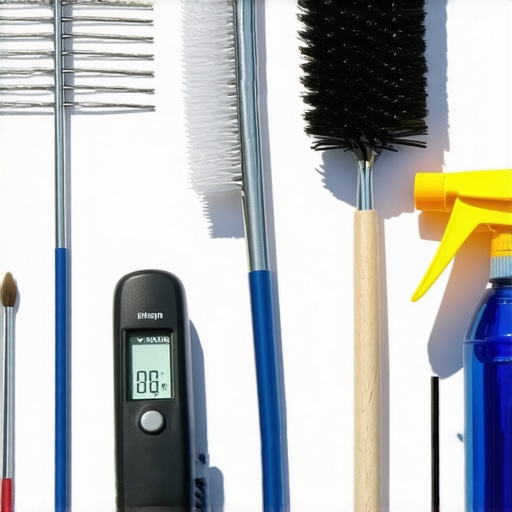
First, invest in a high-quality multi-purpose garden scraper. I personally prefer models with a comfortable grip and replaceable blades because they make cleaning and minor repairs much easier. These tools are perfect for removing dirt or moss that can accumulate on textured surfaces without damaging the underlying material. Wire brushes are indispensable for removing rust from metal sculptures; I recommend getting a set with different bristle stiffnesses to tackle various corrosion levels.
For sealing and weatherproofing, a professional-grade spray applicator is invaluable. I use an HVLP (High Volume Low Pressure) spray gun for even application of protective coatings on complex surfaces. This method ensures thorough coverage without drips, which can be common with brush-on sealants. Additionally, keep a supply of weatherproof sealants suitable for different materials—metal, ceramic, or wood—so your art remains durable through seasons.
To monitor the health of your sculptures, a digital moisture meter can help detect early signs of water intrusion in porous materials, allowing for prompt sealing or repairs. This small investment can prevent long-term damage and preserve your art’s appearance.
Routine Maintenance and Long-Term Upkeep
Perform regular inspections, ideally once every few months. Look for signs of wear, rust, or loose components. Cleaning your sculptures with a gentle brush and mild soap helps remove dirt and pollutants that can degrade the materials over time. After cleaning, always reapply a protective sealant—especially before winter—to shield your work from moisture and temperature fluctuations.
For metal sculptures, consider applying a rust-inhibiting primer and coating annually. For wooden pieces, re-stain or seal with eco-friendly wood preservatives. Ceramic or glass elements benefit from gentle cleaning with non-abrasive pads and occasional sealing if porous.
Predicting Future Trends in Maintenance
As materials and coatings evolve, future innovations will likely include self-healing paints and advanced nano-coatings that repair minor scratches and prevent corrosion automatically. Embracing these technologies now can save time and effort later, making your garden art virtually maintenance-free.
If you’re interested in taking your maintenance routine to the next level, I recommend exploring these smart DIY solutions that integrate weather sensors and automated coatings. Experimenting with one of these advanced tips can keep your eco-friendly sculptures looking pristine for years to come. Remember, investing in the right tools and a consistent maintenance schedule is key to ensuring your recycled garden art remains a source of pride and inspiration.
The Hardest Lesson I Learned About Creating Eco-Friendly Garden Decor
One of the most profound lessons I discovered was that not all recycled materials are created equal for outdoor use. Selecting suitable, weather-resistant items and treating them properly is essential for longevity. I once tried to repurpose untreated wood, only to find it rotted within a season, which taught me the importance of pre-treating or choosing durable materials from the start.
3 Myths About Recycled Garden Art That Held Me Back
For a long time, I believed that weatherproofing was optional, which led to quick deterioration of my early projects. Additionally, I thought that any scrap metal could be welded into art, but without reinforcing the structure, pieces often broke under wind stress. Busting these myths was crucial to creating sculptures that withstand the elements and last for years.
What Experts Won’t Tell You About Maintaining Recycled Garden Sculptures
Most seasoned DIYers know that regular maintenance extends the life of outdoor art. Using tools like wire brushes and weatherproof sealants regularly can prevent rust and decay. I learned that proactive upkeep, such as reapplying protective coatings before winter, keeps my garden sculptures vibrant and intact, turning them into cherished fixtures rather than fleeting projects.
Curated Resources That Transformed My Approach to Eco Garden Art
- DIYKutak’s Creative DIY Crafts for Home Decor: This site offers innovative ideas for repurposing everyday items into stunning garden art, inspiring my most ambitious projects.
- Home Improvement Tips for Weatherproofing: Expert advice here helped me understand the nuances of sealing different materials, significantly improving my sculptures’ durability.
- Welding and Reinforcement Techniques: Learning advanced techniques from trusted sources allowed me to reinforce larger installations effectively, ensuring safety and longevity.
Your Turn to Try—Transform Your Garden and Make a Difference
Creating sustainable garden art from recycled materials is more than a craft—it’s a statement of environmental love and creativity. Don’t let misconceptions hold you back. Whether you’re a beginner or an experienced DIYer, your outdoor space can become a gallery of eco-friendly masterpieces that inspire everyone who visits. The future of garden decor is in your hands—start turning trash into treasure today!
Have you ever faced challenges with weatherproofing or reinforcing your recycled garden art? Share your stories or questions below—I’d love to hear about your eco-friendly creations!