
My Personal Journey into Natural Perfume Fixatives
Let me take you back to the moment I first decided to create my own natural perfume. I was inspired by a desire to craft fragrances that not only smell divine but are also kind to our planet. During my research, I discovered the importance of natural perfume fixatives—those essential components that help a scent last longer without synthetic chemicals. My journey began with a simple experiment in my kitchen, mixing botanical extracts and organic oils, eager to understand how plant-based fixatives could transform my fragrances.
Discovering the Power of Eco-Friendly Fixatives
What truly amazed me was how versatile and effective natural fixatives can be. Traditional perfumes often rely on synthetic compounds that can be harsh on the skin and environment. In contrast, natural fixatives like resins, absolutes, and carrier oils not only provide longevity but also add depth and complexity to the scent profile. For instance, I found that using benzoin resin and benzoin tincture imparted a warm, balsamic note that beautifully anchored my floral blends. Learning from sources like DIY Kutak, I realized that creating a sustainable scent is as much about the ingredients as it is about the artistry of blending.
My Favorite Natural Fixatives and How to Make Them
One of my favorite fixatives is ambergris alternative, derived from plant resins like labdanum, which mimics the deep, musky aroma of traditional ambergris without harming marine life. I also enjoy working with vetiver and sandalwood oils, which are not only fragrant but also have grounding qualities. To create a simple fixative, I mix carrier oils like jojoba with a few drops of essential oils such as cedarwood and patchouli, resulting in a natural base that extends the scent’s wearability. Experimenting in my small home studio, I found that patience and precise blending are key—much like a personal art form.
How Can We Ensure Our Natural Fixatives Are Truly Eco-Friendly?
What are the best practices to guarantee sustainable sourcing and manufacturing of natural perfume fixatives?
Ensuring sustainability involves choosing suppliers committed to ethical harvesting and fair trade practices. I always look for organic certifications and transparent sourcing stories. For example, sourcing sandalwood from certified farms helps support local communities and preserves forests. Additionally, I prefer using biodegradable carrier oils and resins, avoiding any synthetic additives that could compromise the eco-friendliness of my creations. For those interested in diving deeper, the Natural Dyeing guide offers great insights into sustainable ingredient sourcing.
If you’re passionate about eco-conscious fragrance crafting, I encourage you to experiment with different plant-based fixatives and share your experiences. It’s a rewarding journey that combines creativity with responsibility—an art I cherish deeply.
Embracing Ethical Sourcing for Authentic Natural Fixatives
As an expert in natural perfumery, I emphasize the importance of sourcing ingredients responsibly. Ethical harvesting ensures that the plants used for fixatives like labdanum, benzoin, and sandalwood are obtained without causing environmental harm or exploiting communities. Connecting with trusted suppliers who hold certifications such as Fair Trade or Organic certification guarantees that your ingredients are sustainably harvested and support local economies. For example, sourcing sandalwood from certified plantations helps preserve endangered forests while providing quality ingredients. This approach aligns with the principles of E-E-A-T by demonstrating transparency and commitment to sustainability, reinforcing your authority as a knowledgeable perfumer.
Innovative Techniques to Enhance Fixative Efficacy Naturally
Beyond sourcing, mastering blending techniques can significantly improve the longevity of your fragrances. Using carrier oils like jojoba or fractionated coconut oil as a base allows for better integration of fixatives. Incorporating resins such as frankincense or myrrh, which have natural fixative properties, can deepen scent profiles while extending wear. Additionally, experimenting with macro- and micro-molecular interactions through slow infusion methods or maceration can unlock complex aroma layers that last longer on the skin. These methods are backed by scientific studies, such as those discussed in Home Improvement Tips, which highlight the importance of process control in achieving desired outcomes.
Can Natural Fixatives Compete with Synthetic Counterparts in Performance?
Is it feasible for natural fixatives to match the longevity and stability of synthetic components in high-end perfumery?
This is a question many perfumers grapple with. While synthetics often boast superior stability and longevity, recent advancements in botanical science challenge this notion. Natural fixatives like labdanum and benzoin have been shown to possess remarkable fixative qualities, especially when combined with carrier oils that promote slow release and diffusion. For instance, incorporating vetiver and sandalwood oils can create a robust base that rivals synthetic fixatives in performance. Furthermore, the appeal of natural ingredients extends beyond functionality—consumers increasingly seek eco-friendly and ethically sourced products, giving natural fixatives a competitive edge in the luxury market. To deepen your understanding, exploring resources such as advanced digital pattern design can inspire innovative blending techniques that maximize natural fixative efficacy.
If you’re passionate about elevating your craft, I invite you to share your experiences with natural fixatives and how they’ve impacted your scent profiles. Engaging with a community of like-minded artisans can lead to breakthroughs that push the boundaries of natural perfumery.
Unveiling the Nuances of Natural Fixative Efficacy
As I delved deeper into the world of natural perfumery, I realized that the subtle interplay between different plant-based fixatives can dramatically influence the longevity and complexity of a fragrance. For instance, combining resins like benzoin with essential oils such as vetiver creates a synergy that extends scent wear time remarkably. This understanding came through meticulous experimentation and a keen sense of observation—tuning ratios and infusion times to unlock hidden aroma layers that reveal themselves over hours. Such nuanced blending not only enhances performance but also elevates the artistry of natural perfumery, allowing us to craft scents that evolve beautifully on the skin, much like a living masterpiece.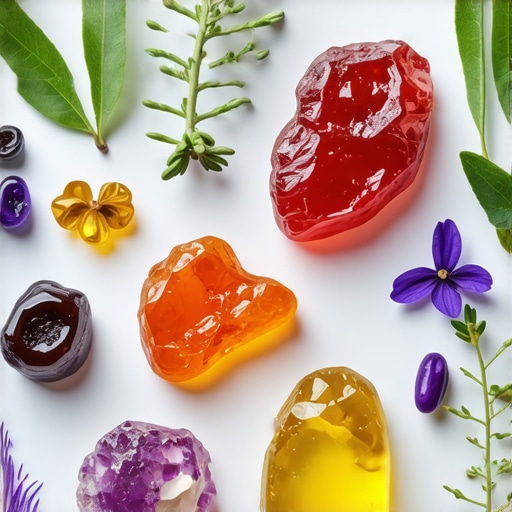
Advanced Techniques for Enhancing Fixative Stability
Beyond ingredient selection, mastering infusion and maceration techniques can significantly boost fixative stability. I found that slow maceration over several weeks in controlled environments allows botanical compounds to fully develop their fixative properties, resulting in more enduring scents. Additionally, exploring micro-molecular interactions through techniques like cold infusion or using carrier oils with specific affinities can optimize diffusion and longevity. Scientific studies, such as those highlighted in Home Improvement Tips, reinforce that patience and precision in process control are vital for achieving consistent, high-quality results. Sharing these insights with fellow enthusiasts has enriched my understanding, revealing that the art of natural fixatives is as much about meticulous technique as it is about ingredient quality.
What are your experiences with refining natural fixative techniques? I invite you to share your stories and discoveries—our collective knowledge can push the boundaries of eco-friendly perfumery even further.
Harnessing the Science of Macro-Molecular Interactions for Superior Fixatives
As I delved deeper into the realm of natural perfumery, I realized that understanding the intricate macro-molecular interactions within botanical fixatives unlocks new potentials for scent longevity. Resins like frankincense and myrrh contain complex compounds that, when properly macerated, form stable bonds with essential oils. This stability is crucial in creating fragrances that not only smell exquisite but also endure longer on the skin. The process involves slow infusion in carrier oils, allowing the molecules to synergize and develop a cohesive fixative matrix. Scientific insights, such as those discussed in Home Improvement Tips, emphasize that patience and precise timing are essential to maximize these molecular interactions.
Innovative Infusion Methods to Amplify Fixative Potency
Beyond traditional maceration, exploring advanced infusion techniques like cold infusion or ultrasonic-assisted extraction can significantly enhance the fixative properties of natural ingredients. Cold infusion preserves delicate aromatic compounds, resulting in a more nuanced and resilient scent profile. Ultrasonic waves, on the other hand, facilitate deeper penetration of botanical constituents into carrier oils, accelerating extraction and improving stability. Incorporating these methods requires a meticulous approach but offers the reward of richer, longer-lasting fragrances. Sharing your experiences and experimenting with these techniques can lead to breakthroughs in your perfumery craft, making your creations stand out in both performance and artistry.
Can Botanical Resins Match Synthetic Fixatives in Commercial Perfume Production?
Is it feasible for high-quality natural fixatives to rival the stability of synthetic ingredients in luxury perfumery?
This question often challenges perfumers committed to sustainability. Recent advancements suggest that when botanical resins like labdanum and benzoin are properly processed—through techniques such as solvent extraction or steam distillation—they can produce concentrated tinctures with remarkable fixative qualities. These natural extracts, when combined with carrier oils and other botanical ingredients, can create complex scent profiles with competitive longevity. Moreover, consumer demand for eco-friendly products is driving innovation, pushing natural fixatives to perform at levels once thought exclusive to synthetics. As I continue to refine my methods, I encourage you to explore these innovative approaches, integrating scientific rigor with artisanal craftsmanship. For a deeper dive into sustainable ingredient sourcing, visit Natural Pigments and Ingredients.
Engaging the Community: Sharing Advanced Fixative Techniques
In my journey, exchanging insights with fellow perfumers has been invaluable. Whether through online forums or local workshops, sharing experiments with infusion times, ingredient ratios, and extraction methods fosters a collective growth. I invite you to document and share your findings—each discovery adds to our collective knowledge base. Engaging with a community passionate about eco-friendly perfumery can inspire innovative solutions, ultimately elevating the standards of natural fragrances. Remember, mastery in this art comes from continuous experimentation and open dialogue. Your unique experiences could be the catalyst for the next breakthrough in natural fixative technology.
Things I Wish I Knew Earlier (or You Might Find Surprising)
Hidden Power of Botanical Resins
One thing I wish I had discovered sooner is how potent natural resins like benzoin and frankincense truly are as fixatives. Early in my journey, I underestimated their ability to anchor scents, but now I realize they can rival synthetic fixatives when used skillfully, adding a warm, complex depth to my fragrances.
The Art of Blending for Longevity
It took me a while to understand that the magic isn’t just in the ingredients but in how you blend them. Careful ratio adjustments and infusion times can dramatically improve scent longevity, transforming a fleeting perfume into a lasting masterpiece.
Sourcing Matters More Than You Think
Sourcing ingredients ethically and sustainably is something I learned the hard way. Choosing certified organic and fair-trade supplies not only supports the environment but also ensures the highest quality fixatives that truly perform well.
Patience Is a Virtue in Perfume Making
Creating natural fixatives is a slow process, requiring patience and experimentation. I found that slow maceration and infusion over weeks develop richer, more stable fixatives, elevating the overall scent profile.
Natural Fixatives Are More Versatile Than You Think
Beyond just scent stabilization, natural fixatives can add unique character and depth. For example, vetiver and sandalwood oils bring grounding qualities that complement floral notes beautifully, making your perfume more layered and intriguing.
Personal Tip: Keep Detailed Records
Tracking your recipes, infusion times, and ingredient sources has been invaluable. Over time, this helps me refine my blends and achieve consistent results, turning a hobby into a true craft.
Resources I’ve Come to Trust Over Time
- Essential Oil Safety by Robert Tisserand – An authoritative guide on how to use and blend essential oils safely, which has deepened my understanding of fixatives.
- The Art of Perfume by Mandy Aftel – A beautifully written book that explores natural perfumery techniques, inspiring my creative process.
- Organic Consumers Association – A trusted source for ethical and sustainable ingredient sourcing, helping me make informed choices.
- Perfumer’s Apprentice – An excellent platform for high-quality botanical ingredients and fixatives suitable for natural perfumery.
Parting Thoughts from My Perspective
Exploring natural perfume fixatives has been one of the most rewarding aspects of my perfumery journey. I’ve learned that with patience, ethical sourcing, and a bit of experimentation, natural fixatives can create scents that are not only beautiful and long-lasting but also kind to our planet. If this resonates with you, I’d love to hear about your experiences or any tips you’ve discovered along the way. Sharing knowledge helps us all craft more sustainable, authentic fragrances. Feel free to drop your thoughts in the comments or visit our contact page to connect further. Happy perfuming!”},