
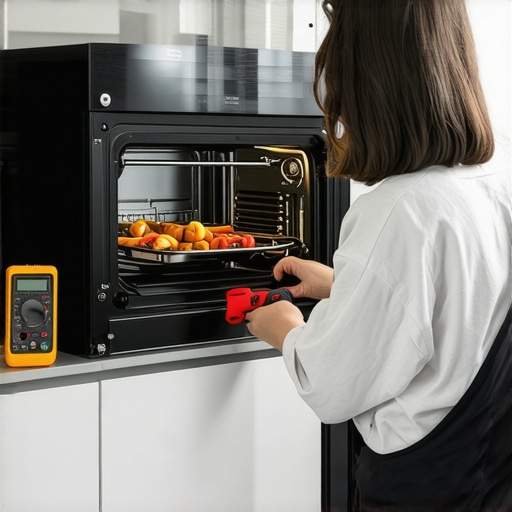
Ever had that sinking feeling when your electric oven suddenly stops working right before you need it most? I remember the exact moment I discovered my oven wasn’t heating properly just as I was about to bake a family dinner. Instead of panicking or calling a repair service, I rolled up my sleeves and started troubleshooting. That experience was a game-changer; I realized many common electric oven problems are solvable with a little know-how and patience.
Why Fixing Your Electric Oven Matters
Ovens are the heart of many kitchens. When they malfunction, it’s not just a minor inconvenience—it can derail your meal plans and add unexpected expenses. Plus, tackling these issues yourself can save a lot of money and give you a sense of accomplishment. But here’s the catch: many folks hesitate because they think electrical repairs are complicated or dangerous. That’s a misconception I had early on, and I made a few mistakes, like working without unplugging the appliance first. Trust me, safety is paramount, and with the right guidance, DIY repair is doable and rewarding.
Is it really worth trying to fix my oven myself?
Absolutely, but only if you’re cautious. Many home repairs, including replacing a faulty heating element or thermostat, are straightforward once you understand the basics. I once tried to replace a control board without proper research and ended up causing more issues. That taught me the importance of consulting detailed guides and understanding your oven’s specific model. For comprehensive DIY projects that are beginner-friendly, check out this resource. It’s packed with tips that can help you avoid common pitfalls and approach repairs with confidence.
Today, I’ll walk you through the common signs your electric oven needs repair and how to troubleshoot them safely. Whether it’s inconsistent heating, a dead display, or strange noises, I’ll help you identify the culprit and decide whether it’s something you can fix on your own or if it’s time to call in a pro. Ready to bring your oven back to life? Let’s get started!
Unplug and Prepare
Before diving into any repairs, always unplug your oven to eliminate the risk of electric shock. I once started troubleshooting without unplugging and received a mild shock that reminded me of the importance of safety. Wear insulated gloves if possible, and clear the area around your oven for easy access.
Identify the Malfunction
Pinpoint what’s wrong—whether the oven isn’t heating, the display is dead, or there are strange noises. For example, I once noticed my oven’s heating element wasn’t glowing, indicating a likely fault. Recognizing the problem helps determine the next steps and parts needed.
Access Internal Components
Remove the oven’s back panel or control panel according to your model’s manual. Use a screwdriver to carefully unscrew panels—think of it like opening a treasure chest, revealing the inner workings. Keep track of screws and parts for reassembly. I found that taking photos during disassembly saved me time later.
Test the Heating Element
Use a multimeter set to resistance mode to check continuity across the heating element. Remove it from the oven and touch the probes to its terminals. If the multimeter shows no continuity, replace the element. I tested mine and found a broken wire inside, which was invisible externally but evident with the multimeter.
Replace the Heating Element
Buy a compatible replacement part, then disconnect the old element and connect the new one. Secure it firmly. Reinstall the panel, plug the oven back in, and test. My replacement fixed the heating issue, and I was back to baking in no time.
Inspect and Test the Thermostat
Locate the thermostat, usually near the control panel or oven cavity. Use the multimeter to check for continuity. If faulty, replace it following the same process as the heating element. I once replaced a thermostat that was stuck open, restoring temperature control.
Check the Oven’s Fuses and Circuit Breakers
Fuses can blow or circuit breakers trip, cutting power. Inspect your fuse box or breaker panel. If a fuse is blown, replace it with one of the same rating. Reset tripped breakers. This simple step saved me from unnecessary parts replacement when my oven stopped working due to a blown fuse.
Test the Control Board
If all other parts seem fine, the control board might be at fault. Look for burnt components or broken solder joints. This step can be complex; consider consulting a professional if needed. I learned this the hard way when my oven’s display was dead but other components tested fine—sometimes, the control board is the culprit.
Reassemble and Test
Once repairs are complete, carefully reassemble your oven, ensuring all screws and panels are secured. Plug it in and run a test cycle to verify everything works correctly. Watching your oven heat up perfectly after repairs is incredibly satisfying—like fixing a beloved gadget yourself.
Remember, if you feel uncomfortable with any step or encounter complex issues, don’t hesitate to contact a professional. For more detailed guides on DIY projects, explore this resource to expand your skills.
Many homeowners enter the realm of oven repair with a set of beliefs that, while seemingly logical, often lead them astray. Let me clarify some of the most persistent myths and share advanced insights that can save you time, money, and frustration when fixing your electric oven.
Why Most People Overlook the Nuances of Electrical Components
It’s a common misconception that replacing a faulty part, like the heating element, will always resolve the issue. In reality, electrical components such as relays, sensors, and control boards work in tandem, and a seemingly minor fault elsewhere can cause the entire system to malfunction. For instance, a failing relay might prevent power from reaching the heating element, even if the element itself is intact. This nuance is often missed by DIY enthusiasts who only test the obvious parts. To avoid this trap, I recommend testing the entire circuit with a multimeter and understanding the specific wiring diagram for your model. For more detailed troubleshooting steps, check out this comprehensive guide.
Common Myths That Could Lead You Astray
One pervasive myth is that you should always replace parts with the cheapest options available. While budget-friendly parts seem appealing, they often lack durability, leading to repeat repairs. Conversely, high-quality OEM parts might be pricier but ensure longer lifespan and reliable performance. Another myth is that all repairs require specialized tools or skills. In truth, many repairs, like testing thermostats or fuses, can be done with basic tools and a good manual. The key is understanding the nuances of your specific oven model and not rushing into replacements without proper diagnosis.
How to Spot Advanced Mistakes Before They Happen
One subtle mistake many make is working on the oven without understanding the electrical safety protocols specific to their appliance. For example, some ovens have capacitors that store charge even after unplugging, posing an electric shock risk. Additionally, amateur repairs sometimes overlook the importance of rechecking connections after reassembly, which can cause short circuits or further damage. To prevent such errors, always consult your oven’s manual and consider consulting specialized resources like this advanced DIY resource.
Remember, DIY repair is about precision, patience, and respecting the complexity of electrical systems. Have you ever fallen into this trap? Let me know in the comments!
Tools I Trust for Reliable Repairs
When it comes to maintaining my electric oven, I rely on a few specific tools that make diagnostics and repairs more straightforward. My go-to multimeter is the Fluke 117, renowned for its accuracy and ease of use, especially when testing heating elements and thermostats. I prefer it over cheaper models because it provides precise readings that can prevent unnecessary replacements. For removing panels and access points, a set of high-quality Phillips and flat-head screwdrivers from Wiha ensures that I don’t strip screws or damage delicate components. Additionally, a digital infrared thermometer helps me instantly gauge the oven’s temperature and verify if repairs successfully restore proper heat distribution. If you’re serious about DIY oven repairs, investing in these tools pays off in both safety and effectiveness.
Long-Term Maintenance Strategies
Keeping your electric oven running smoothly over the years requires regular checks and proactive care. I recommend scheduling a deep inspection every six months, focusing on cleaning out any accumulated dust or grease that can interfere with electrical contacts. Also, periodically testing the heating element and thermostat with your multimeter can catch issues before they escalate. A simple yet effective tip is to keep the oven’s interior and vents clean; dust and debris can cause overheating or uneven heating. Applying a high-temperature oven cleaner to racks and interior surfaces can prevent buildup and make future troubleshooting easier. Moreover, inspecting door seals for wear and tear ensures energy efficiency and consistent temperature control. These small but consistent actions extend the lifespan of your appliance and reduce the likelihood of emergency repairs.
Future Trends in Oven Maintenance and Diagnostics
The future of appliance care seems to be leaning heavily toward smart diagnostics. I predict that integrated sensors and IoT technology will soon allow ovens to self-monitor and alert homeowners about potential issues via smartphone apps. This advancement will make maintenance more proactive and less disruptive. Already, some high-end models include Wi-Fi-enabled diagnostic features that can suggest specific fixes or even schedule repairs automatically. As these innovations become more affordable, DIY enthusiasts and homeowners will be empowered to troubleshoot more complex issues with minimal guesswork. To prepare for this shift, I suggest familiarizing yourself with basic electronics and IoT troubleshooting, which will be invaluable as smart appliances become standard in our kitchens.
How do I maintain my electric oven over time?
Consistent, simple practices are key to long-term success. Regular cleaning, periodic testing of electrical components with reliable tools like the Fluke multimeter, and staying informed about your specific oven model’s common issues will keep your appliance in top shape. Don’t forget to consult detailed guides and manuals—many of which are available at this resource. Making small investments in quality tools and staying proactive with maintenance can save you hundreds in repair costs down the road. Why not try setting a maintenance schedule today and see how it transforms your oven’s reliability? If you want to explore more advanced repair techniques, check out this insightful resource for cutting-edge tips. Remember, a well-maintained oven is a joy to use—and a smart investment in your home’s efficiency and safety.
What I Wish I Knew When Fixing My Oven
One of the toughest lessons I learned was that electrical systems in ovens are intricate and interconnected. A simple component like a thermostat can be fine, but if the relay or control board is faulty, your oven might still refuse to heat. This realization pushed me to always test the entire circuit thoroughly rather than just replacing parts at random. It saved me time, money, and frustration in the long run.
Another insight was the importance of using high-quality, OEM parts. Cheaper replacements might seem tempting, but they often fail prematurely, leading to repeat repairs. Investing in the right parts from the start has been a game-changer for me, ensuring durability and peace of mind.
Lastly, respecting safety protocols is non-negotiable. I once overlooked unplugging the oven and received a mild shock, which reminded me how vital it is to work carefully and methodically. Proper tools, patience, and thorough diagnosis are the secrets to successful DIY oven repairs.
Tools and Resources That Make a Difference
For anyone serious about fixing their electric oven, I recommend a reliable multimeter like the Fluke 117. It provides precise readings and is easy to use, helping me quickly identify faulty components. A good set of screwdrivers from Wiha ensures I don’t damage delicate panels, and an infrared thermometer helps verify if the oven heats evenly after repairs.
For comprehensive DIY guides, this resource is invaluable. It offers step-by-step instructions that build confidence, especially for beginners. Also, exploring smart DIY solutions can prepare you for future upgrades and troubleshooting with modern appliances.
Your Next Step to Confident Repairs
Taking on electric oven repairs can be incredibly rewarding. It’s a chance to learn new skills, save money, and gain confidence in your home maintenance abilities. Remember, safety always comes first, and don’t hesitate to seek professional help if a repair feels overwhelming. Start small—testing thermostats or replacing fuses—and gradually take on more complex tasks.
Are you ready to turn your DIY dreams into reality? What part of oven repair excites you most? Let me know below!