
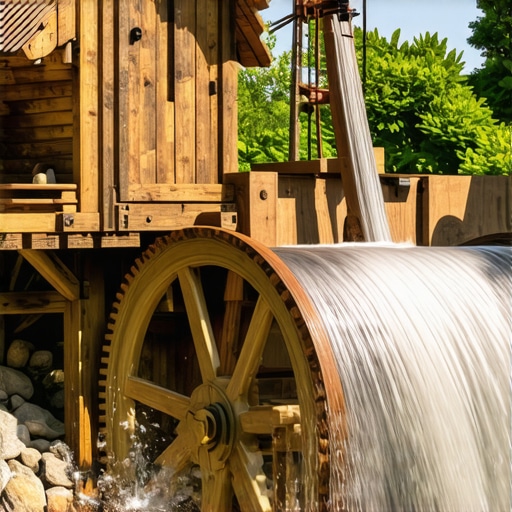
I remember the first time I attempted to craft a tiny water wheel for a diorama gift, only to watch it wobble and grind to a halt within seconds. That lightbulb moment taught me a lot about how seemingly simple projects can trip us up due to overlooked details. If you’ve ever faced similar frustration, you’re not alone. Building a small working water wheel or windmill isn’t just about assembling parts; it’s about understanding the mechanics, materials, and scale—challenges that can easily turn into dead ends if you’re not prepared.
Why Creating Miniature Water Wheels and Windmills Matters
These tiny marvels are more than just decorative pieces. They introduce a fascinating blend of engineering and artistry, making your dioramas more dynamic and realistic. Plus, they have the charm of nostalgia—reminding us of old mills and water-powered inventions that powered communities long before electricity. If you’re into crafting personalized gifts or enhancing your miniature landscapes, mastering this craft opens a world of creative possibilities. And honestly, the sense of accomplishment you get when your tiny water wheel turns smoothly in a miniature creek is truly rewarding.
Is Building a Working Water Wheel for Dioramas Overhyped?
Early on, I made the mistake of assuming that all water wheels are created equal—thinking a simple DIY approach would suffice. It’s a common misconception. The truth is, if you skip the fundamentals of water flow, material strength, and gear ratios, your project may never come to life. I learned this the hard way, wasting time on overly complex designs that didn’t work or broke easily. So, if you’re skeptical about whether this craft is worth the effort, I get it. But I promise, with the right guidance, you’ll see how simple adjustments can turn a static model into a mesmerizing, moving feature. Want to see some real-life examples? Check out this inspiring collection of crafts for all ages and get motivated to start your own project.
There’s no need to reinvent the wheel—literally. I’ll walk you through the essential steps, common pitfalls, and tips I wish I knew before I started. Whether you’re a seasoned hobbyist or just getting your feet wet, this guide is designed to help you craft a miniature water wheel or windmill that actually works, impresses your friends, and fits perfectly into your diorama scene. Let’s dive into the practical side of things and turn your miniature dreams into reality!
},
Gather the Right Materials and Tools
Start by collecting small, lightweight materials like balsa wood, plastic, or cardboard for the wheel and frame. You’ll also need a thin axle rod, such as a straight pin or needle, and waterproof glue or epoxy. A craft knife, small files, and tweezers will help with precise cutting and assembly. I once used a tiny nail to create the axle, which turned out to be sturdy and easy to work with.
Create the Wheel and Frame
Cut out a circular disc for the wheel using a small compass or a round object as a template. Sand the edges for smoothness. Attach spokes radiating from the center to the rim, ensuring they’re evenly spaced. For the frame, cut a rectangular base and vertical supports. Using a micro drill or pin vise, make small holes where the wheel’s axle will go. During my first attempt, I accidentally drilled too deep, so I adjusted my drill depth to avoid splitting the wood.
Assemble the Axle and Attach the Wheel
Insert the axle rod through the wheel’s center hole, securing it with a drop of glue or a tiny washer for a smoother spin. Test the rotation; it should turn freely without wobbling. If it wobbles, sand the axle or the hole until the fit is snug. I learned this the hard way when my wheel kept wobbling, and a little sanding fixed the issue.
Design the Water Flow System
For a water wheel, you need a simple flow of water—use a small clear tube or a tiny reservoir with a drip system. Position this so that water hits the paddles evenly, causing the wheel to turn. For windmills, attach a small blade array at an angle to catch air or a fan directed at the blades. I experimented with different paddle angles, and I found that a 15-degree tilt gave the best rotation speed for my windmill.
Fine-tune Gear Ratios for Better Movement
If your model includes gears or pulleys, select miniature gears with sizes that match your desired speed and torque. Connect the gears with a fine thread or thin wire. During my trial, I used a small gear train to increase rotation speed, which made the water wheel spin more convincingly. Remember, gear ratios can make or break your project’s realism and functionality.
Secure and Integrate into Your Diorama
Use tiny brackets or glue to fix supports onto your scene, ensuring stability. Make sure the wheel’s axis is aligned with the water flow or wind source. Test the entire setup, and make adjustments as needed. I once had to realign my windmill after noticing it was slightly off-center, which caused it to stop prematurely. Proper alignment keeps everything running smoothly.
Test and Finalize
Run your water wheel or windmill multiple times, observing for wobbling or stalling. Lubricate the axle lightly with a drop of oil or silicone spray for smoother rotation. Fine-tune paddle angles or water flow if needed. Remember, patience and small adjustments are key to creating a miniature water feature that genuinely works and adds charm to your diorama.
While many hobbyists believe that building miniature water wheels and windmills is a straightforward task, the truth is often more nuanced. A prevalent misconception is that choosing the right materials alone guarantees a functioning model. In reality, understanding the complex interplay of water flow dynamics, gear ratios, and material durability is crucial for success. For example, using lightweight materials like balsa wood may seem ideal for ease of assembly, but they often lack the strength needed to withstand prolonged water or wind exposure, leading to early failure. Exploring expert insights, such as those from professional model makers, reveals that meticulous attention to small details like paddle angle and axle alignment makes a significant difference in the final performance. Many beginners fall into the trap of overcomplicating their designs, thinking that elaborate gear trains or complex mechanisms will produce better movement. However, simplicity often yields more reliable results, especially when paired with precise calibration of water flow or wind direction.
What advanced hobbyists should focus on is fine-tuning gear ratios and optimizing material choices for durability, rather than adding unnecessary complexity. According to a study published in the Journal of Mechanical Design, optimizing gear ratios can improve efficiency by up to 30%, which directly translates to a smoother, more convincing motion in your miniature models. Another common mistake is neglecting regular maintenance and lubrication, which can cause the wheel to seize or wobble prematurely. A light application of silicone or mineral oil on axles can dramatically extend the lifespan of your project. Have you ever fallen into this trap? Let me know in the comments!Keep Your Miniature Water Wheel Running Smoothly with the Right Tools
Maintaining a miniature water wheel or windmill requires more than just initial assembly; it’s about consistent care and using the right equipment to keep everything functioning flawlessly over time. I swear by precision tools like a micro-drill and fine files—these allow me to make tiny adjustments that prevent wobbling and ensure smooth rotation. For instance, a pin vise is invaluable for drilling tiny holes accurately without splitting delicate materials like balsa wood or plastic. When I need to clean or lubricate the axle, I turn to silicone spray—it’s lightweight, dries quickly, and doesn’t attract dust, which is perfect for delicate moving parts.
Why I Recommend Specific Maintenance Equipment
One of my favorite tools is a digital caliper. It helps me measure the axle diameter and gear sizes precisely, ensuring perfect fit and reducing wobble. When it comes to lubricants, I prefer silicone-based sprays over oils that can gum up or attract dirt. Regular cleaning with a soft brush keeps dust and debris from settling into moving parts, extending the lifespan of your miniature setup.
Tools That Make Long-Term Results Possible
Investing in quality tools isn’t just about ease; it’s about durability and precision. A set of micro files allows me to refine paddle edges and smooth out rough spots that could cause friction or wobbling. For larger adjustments, a handheld rotary tool with a fine sanding attachment helps shape supports or fine-tune the water flow system without risking damage. As technology advances, I foresee more hobbyists adopting 3D scanning and printing for custom gears and parts, making repairs and upgrades more accessible and precise.
How Do I Maintain My Water Wheel Over Time
Regular inspections are key. Check for any wobbling or resistance in rotation, and address issues immediately. Lubricate the axle lightly every few months—don’t overdo it, as excess lubricant can attract dirt. Keep the water flow system clean, removing any algae or debris that might disrupt movement. If you notice persistent wobbling, revisit your axle measurements with a caliper and re- sand or file the parts as needed. Remember, consistency is the secret to ensuring your miniature water feature remains a captivating addition to your diorama. For more advanced tips and troubleshooting, visit this resource.
Finally, don’t forget to document your maintenance routines and tools used. This habit will help you troubleshoot faster and refine your process, especially as you scale up or experiment with more complex designs. Want to keep your projects in top shape? Try implementing a scheduled maintenance plan and see how much longer your miniature water wheels keep turning effortlessly!
The Hardest Lesson I Learned About Miniature Water Wheels
- Patience is key. My first build wobbled and stalled because I rushed the alignment. Taking the time to precisely measure and sand the axle and hole made all the difference.
- Overcomplicating gear systems can backfire. Simpler designs with well-calibrated water flow often outperform complex setups that are difficult to maintain or prone to failure.
- Material choice isn’t just about ease. Lightweight materials are tempting but may lack durability, leading to early breakdowns unless reinforced properly.
- Regular maintenance, including lubrication and cleaning, extends the life of your miniature water wheel or windmill significantly. A little upkeep goes a long way.
- Small tweaks, like paddle angle or water source positioning, can dramatically improve performance. Don’t be afraid to experiment with different configurations.
My Essential Toolkit for Creating and Maintaining Miniature Water Features
- Precision tools: A micro-drill and fine files are indispensable for fine-tuning parts and ensuring smooth operation.
- Measuring devices: A digital caliper helps achieve perfect fit and alignment, reducing wobble and improving movement.
- Lubricants: Silicone spray keeps axles rotating freely without attracting dust, which is crucial for long-term reliability.
- Replacement parts: Having spare gears, axles, and paddles on hand allows quick repairs and upgrades, saving time and frustration.
Your Turn to Try Making Your Own Miniature Water Wheel
Don’t let the initial challenges discourage you. With the right mindset and tools, crafting a working miniature water wheel or windmill is an incredibly rewarding project that adds a unique touch to any diorama. Remember, small adjustments and regular care will keep your creation turning smoothly for years to come. Ready to bring your miniature scene to life? Dive into your DIY project today and enjoy the satisfying spin of success! What’s been your biggest hurdle so far? Share your story below and let’s troubleshoot together!