
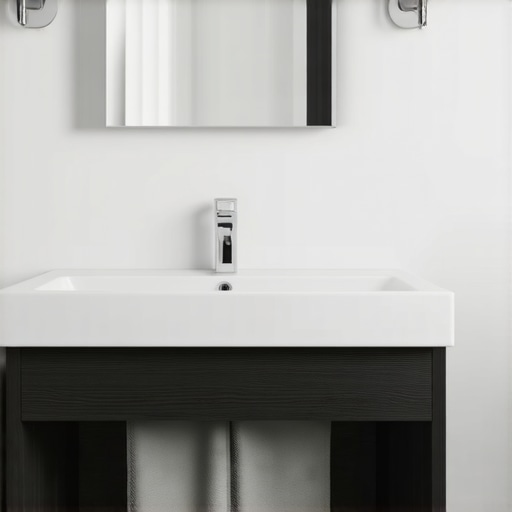
Discovering a Dream: Small Bathroom Challenges and My Inspiration
As someone who has always loved designing cozy, functional spaces, I faced a common dilemma: how to maximize limited bathroom space without sacrificing style. During my recent renovation, I realized that a floating vanity could be the perfect solution, combining practicality with modern aesthetics. This journey started with a simple idea — creating a space-saving floating vanity that not only fits but also enhances my small bathroom.
Why a Floating Vanity Became My Top Choice
Floating vanities are an ingenious way to make small bathrooms appear larger. They visually elevate the space, providing an open feel that traditional cabinets can’t match. Plus, I loved the idea of having more floor space for cleaning and accessories. Learning about the benefits of wall-mounted furniture, I was excited to try building my own, inspired by expert guides like those found on DIY guides.
Planning My Space: Measuring and Designing with Precision
Before jumping into construction, I carefully measured my bathroom’s dimensions. I wanted a floating vanity that was compact yet functional. I sketched out designs, considering storage needs and plumbing access. For inspiration, I explored creative home decor ideas that incorporated DIY craftsmanship. Precision was key, and I made sure to double-check all measurements to avoid mistakes later.
Building the Vanity: Step-by-Step Personal Experience
My first step was choosing the right materials — sturdy plywood and waterproof paint to withstand humidity. I followed a detailed plan, cutting panels and assembling the frame with strong brackets. The most satisfying part was installing the floating support on the wall, ensuring it was perfectly level. I learned that using a level tool, as recommended by furniture expert resources, made all the difference.
What Are the Hidden Challenges of Building a Floating Vanity?
Have I faced any unexpected issues, and how did I solve them?
Absolutely! One challenge was ensuring the support brackets could handle the weight of the vanity and sink. I reinforced wall anchors and tested with added weight before mounting the final piece. Additionally, waterproofing the surface was crucial to prevent damage over time. Consulting external sources like expert sealing tips helped me achieve a durable finish.
If you’re considering this project, I recommend sharing your progress in the comments or exploring more DIY ideas at home improvement tips.
Unlocking the Secrets of DIY Floating Vanities for Small Bathrooms
Creating a floating vanity in your small bathroom isn’t just about saving space; it’s about transforming your entire aesthetic with a touch of professional craftsmanship. As someone who has navigated the complexities of DIY home upgrades, I can tell you that understanding the nuances of design and installation is key to achieving a polished look. The process begins with meticulous planning, selecting the right materials, and anticipating potential challenges to avoid costly mistakes. For those eager to dive into this rewarding project, exploring comprehensive DIY guides can provide invaluable insights.
Designing with Precision: Balancing Form and Function
The first step in building your own floating vanity is designing a piece that complements your space while meeting practical needs. I recommend starting with detailed measurements of your bathroom, taking note of plumbing positions, electrical outlets, and available wall space. Incorporating creative ideas from innovative home decor projects can spark inspiration for custom features like integrated lighting or hidden compartments. Remember, a well-proportioned design ensures not only aesthetic appeal but also ease of installation and long-term durability.
Material Mastery: Choosing the Right Components for Durability
Material selection is crucial, especially in humid environments like bathrooms. I opted for high-quality plywood coated with waterproof paint, which provides strength and resilience against moisture. Reinforcing the support brackets and anchoring them securely to wall studs ensures the vanity can bear weight without sagging. For a professional finish, applying proper sealing techniques is essential. External resources like expert sealing tips offer guidance on protecting your project from water damage over time.
Installing with Confidence: The Expert Approach
During installation, leveling the vanity accurately is vital for a sleek appearance. I used a high-quality level tool and double-checked all measurements before drilling. Anchoring the support brackets into wall studs provides a sturdy foundation. Additionally, I tested the weight capacity by gradually adding load before mounting the final piece, which prevented unforeseen collapses. This step underscores the importance of understanding load-bearing considerations, a topic extensively covered in furniture joint techniques.
What Are the Hidden Challenges of Building a Floating Vanity?
Have I faced any unexpected issues, and how did I solve them?
Indeed, one challenge was ensuring the support brackets could handle the combined weight of the vanity, sink, and countertop. I reinforced the wall anchors with additional screws and tested stability with incremental weights. Waterproofing the surface was another hurdle; I applied multiple coats of waterproof sealant, following expert advice from professional sealing techniques, to prevent moisture ingress and damage over time. Ensuring all components are perfectly aligned and securely fastened is a nuanced task that benefits from patience and precision.
If you’re contemplating a similar project, I encourage you to share your progress or ask questions in the comments. For additional inspiration, explore more home improvement tips and innovative DIY ideas to elevate your space.
Embracing the Nuances of DIY Craftsmanship: Lessons Learned from My Floating Vanity Journey
As I reflect on my experience crafting a floating vanity, I realize that the journey was as much about personal growth as it was about technical skill. The intricate balance between design aesthetics and structural integrity demanded a deeper understanding of materials and wall support mechanisms. Delving into advanced topics like reinforcement techniques from mortise and tenon joints expanded my perspective on how traditional joinery principles can be adapted for modern wall-mounted furniture.
The Subtle Art of Measurement and Alignment: Beyond Basic Tools
Precision in measurement is often underestimated, yet it forms the backbone of a successful DIY project. I invested in high-quality levels and laser measures, which allowed me to achieve perfect horizontality and verticality. Moreover, I learned to anticipate the complications that can arise from uneven wall surfaces or hidden electrical wiring. This attention to detail reminds me of the importance of pre-installation inspections, a practice I highly recommend exploring further through resources like advanced wallpaper techniques.
Material Selection: Balancing Durability, Aesthetics, and Environmental Impact
Choosing the right materials was a pivotal aspect of my project. I opted for waterproof plywood with eco-friendly sealants, aligning with sustainable building practices I’ve been passionate about. Reinforcing support brackets with additional screws and wall anchors was an eye-opener—demonstrating that understanding load distribution and stress points is vital. External insights from advanced sealing techniques proved invaluable in ensuring my vanity’s longevity against moisture and daily wear.
Overcoming Challenges with Creative Solutions: My Personal Strategies
One unexpected challenge was the unevenness of my wall surface, which made leveling a real puzzle. I tackled this by creating custom shims and carefully adjusting support brackets, illustrating that patience and adaptability are essential skills in DIY. Additionally, waterproofing the entire surface required multiple coats and meticulous sanding, which, although time-consuming, resulted in a seamless finish. Sharing these hurdles and solutions in community forums or comments can foster a collaborative learning environment, and I encourage fellow DIY enthusiasts to exchange their experiences.
The Deeper Significance of DIY: Beyond Aesthetic Transformation
This project exemplifies how DIY craftsmanship extends beyond mere aesthetics; it embodies self-reliance, problem-solving, and a commitment to sustainability. Building my floating vanity pushed me to learn new skills and embrace a mindset of continuous improvement. It also highlighted the importance of understanding load-bearing principles and structural reinforcement, especially in wall-mounted furniture. For those inspired to embark on similar projects, I recommend exploring comprehensive guides like step-by-step DIY guides to deepen your technical knowledge.
If you’ve had your own DIY adventures or faced unexpected challenges, I’d love to hear your stories. Sharing our experiences not only enriches our understanding but also fuels the collective passion for craftsmanship. For more ideas and tips on elevating your home projects, don’t hesitate to browse through home improvement tips and explore innovative DIY solutions tailored for every skill level.
Integrating Reinforcement Strategies for Long-lasting Wall-Mounted Furniture
One of the most nuanced aspects of creating durable floating vanities is understanding load distribution and wall reinforcement. While anchoring brackets and wall studs are foundational, employing advanced reinforcement techniques can elevate the structural integrity. For instance, I incorporated metal backing plates behind the drywall to distribute stress more evenly, especially in older walls where material weaknesses are common. This approach is supported by insights from mortise and tenon joint fundamentals, which highlight the importance of traditional joinery in modern applications.
Utilizing High-Performance Materials for Moisture Resistance and Aesthetic Excellence
To ensure my vanity withstands humidity without warping or degradation, I selected exterior-grade plywood coated with marine-grade sealants. Applying multiple coats of waterproof epoxy resin not only fortified the surface but also provided a smooth, glossy finish that enhanced the aesthetic appeal. External resources such as expert sealing techniques proved invaluable in perfecting this process. The combination of durable materials and meticulous sealing created a resilient, visually appealing piece capable of enduring the rigors of daily bathroom use.
Addressing Wall Surface Irregularities with Innovative Solutions
Uneven wall surfaces pose a significant challenge when mounting heavy furniture. My solution involved creating custom shims from reclaimed wood scraps, which allowed me to achieve perfect alignment despite irregularities. Additionally, I employed laser leveling tools to verify horizontality at multiple points, ensuring a seamless finish. These techniques, detailed in advanced DIY guides, can be adapted to various wall conditions and are critical for professional-looking results. Sharing such insights in community forums fosters collaborative learning and inspires others to approach similar challenges with confidence.
Advanced Sealing and Finishing Techniques for a Lasting, Water-Resistant Surface
Waterproofing is paramount in bathroom environments. I adopted a multi-layer sealing process, applying epoxy-based sealants followed by a coat of eco-friendly polyurethane finish. Sanding lightly between coats enhanced adhesion and smoothness. External expertise from sealing specialists guided me to optimize this process, ensuring the vanity remained impervious to moisture over years of use. The attention to detail in sealing and finishing not only preserves the structural integrity but also elevates the overall aesthetic quality of the project.
Encouraging Deeper Engagement and Sharing of Expert DIY Techniques
If you’re delving into advanced DIY projects like this, I urge you to explore comprehensive tutorials and share your experiences. Engaging with a community of enthusiasts can provide invaluable feedback and inspiration. For more detailed strategies on reinforcement, material selection, and finishing, visit step-by-step DIY guides. Your journey toward mastering high-level craftsmanship can be both rewarding and transformative, and I look forward to hearing your success stories and insights.
Mastering DIY Floating Vanities: Tips, Challenges, and Inspiration for Small Bathrooms
Creating a floating vanity in your small bathroom can be a game-changer, blending style with space efficiency. Over the years, I’ve learned that while the process is rewarding, it also comes with its share of surprises and lessons. If you’re considering this DIY journey, it’s worth knowing some hidden truths and personal insights that can make your project smoother and more enjoyable.
Things I Wish I Knew Earlier (or You Might Find Surprising)
1. The Wall’s Secret Strength
One surprising lesson was realizing how critical wall support is. My initial plan was to just screw brackets into drywall, but I quickly learned that anchoring into wall studs or using reinforcement techniques is vital for durability. Reinforcing the wall with metal backing plates, as I discovered from expert resources, can prevent sagging over time.
2. Material Matters More Than You Think
Choosing waterproof plywood and high-quality sealants was essential. I underestimated how much humidity could affect cheaper materials. Investing in exterior-grade or marine plywood paid off, keeping my vanity looking pristine even after months of use.
3. Precision Is Your Best Friend
Leveling and measuring accurately saved me a lot of headaches. I used a laser measure and high-quality level to ensure everything was perfect. Small misalignments become very noticeable, especially in a sleek floating design, so patience and precise tools are worth it.
4. Waterproofing Is Not Just a Coat
I learned that multiple coats of waterproof sealant, with light sanding in between, create a seamless, moisture-resistant surface. Skipping this step or rushing it can lead to future damage, which is a hassle to fix later.
5. Expect the Unexpected
Uneven walls, hidden electrical wiring, and tight spaces can complicate installation. Flexibility and creative problem-solving—like creating custom shims—helped me overcome these hurdles. Sharing these solutions with the DIY community was incredibly helpful.
Resources I’ve Come to Trust Over Time
- DIY Guides: The comprehensive tutorials on DIY guides provided step-by-step instructions that boosted my confidence and skills.
- Expert Sealing Tips: Insights from sealing specialists helped me achieve a water-resistant finish that lasts.
- Load-Bearing Techniques: Learning about mortise and tenon joints gave me ideas for reinforcing support structures.
- Design Inspiration: Exploring creative home decor projects sparked ideas for custom features like integrated lighting.
Parting Thoughts from My Perspective
Building my own floating vanity taught me that patience, preparation, and attention to detail are key. It’s not just about creating a beautiful piece; it’s about understanding the structural and moisture considerations that ensure longevity. For anyone eager to personalize their small bathroom with a DIY floating vanity, I recommend starting with thorough planning and leveraging trusted resources. If this story resonated with you, I’d love to hear your thoughts or experiences. Sharing our DIY journeys not only inspires others but also helps us grow as craftspersons. Feel free to drop your comments or questions—happy building!