
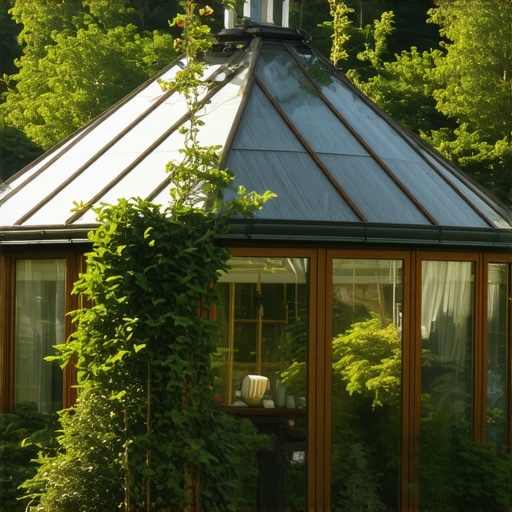
My First Encounter with Reclaimed Wood Greenhouses
I’ll never forget the day I decided to build my own greenhouse using reclaimed wood. As an avid gardener and DIY enthusiast, I was eager to combine sustainability with a touch of rustic charm. I started researching online and stumbled upon inspiring projects that showcased how reclaimed materials can transform a simple space into a green oasis.
Why I Chose Reclaimed Wood for My Greenhouse
Reclaimed wood isn’t just eco-friendly; it also has a unique character and history that new lumber can’t replicate. I learned that using salvaged wood reduces deforestation and minimizes waste, aligning with my values of sustainable living. Plus, I found that reclaimed wood offers excellent durability and aesthetic appeal, making it perfect for a greenhouse structure.
Designing My Stylish Reclaimed Wood Greenhouse
To start, I sketched a simple yet functional design that would fit my backyard space. I wanted something that felt both modern and rustic. I chose to incorporate large windows for ample sunlight, essential for plant growth, and a sturdy frame built from weathered wood sourced from local salvage yards. The process was both challenging and rewarding, as I learned to select quality reclaimed wood and adapt my plans accordingly.
Constructing the Greenhouse: Tips from My Experience
Building with reclaimed wood requires patience and attention to detail. I recommend thoroughly inspecting each piece for stability and rot, as older wood can sometimes be compromised. I also found that sealing and treating the wood with eco-friendly preservatives helped prolong its lifespan. During construction, I faced some unexpected hurdles, but I stayed persistent, using online tutorials and advice from seasoned DIYers. For detailed step-by-step guidance, I referenced this comprehensive guide.
Adding Personal Touches for a Unique Look
To make my greenhouse truly my own, I added decorative touches like reclaimed door handles, vintage window panes, and a small rainwater collection system. These details not only enhanced the aesthetic but also improved functionality. I even planted a few herbs and vegetables inside, feeling proud every time I saw my efforts flourish.
What I Learned About Sustainable DIY Gardening
Building my reclaimed wood greenhouse reinforced the importance of eco-friendly practices. It’s satisfying to know that I’m repurposing materials and creating a space that benefits both my garden and the environment. If you’re considering a similar project, I highly recommend exploring more about eco-friendly home improvements on this resource.
Have you ever built a DIY greenhouse or used reclaimed materials in your projects? I’d love to hear your stories and tips!
Feel free to share your experiences or ask questions in the comments below. And if you’re inspired to start your own eco-friendly gardening journey, don’t hesitate to explore more creative solutions for home improvement and sustainable living on my blog!
Maximizing Sustainability: Innovative Techniques in Reclaimed Wood Greenhouse Construction
As an enthusiast committed to eco-friendly projects, I’ve discovered that integrating advanced techniques can elevate the durability and efficiency of reclaimed wood greenhouses. For instance, using eco-friendly preservatives not only extends the lifespan of salvaged wood but also aligns with sustainable principles. Applying natural oils or beeswax treatments can provide protective barriers without harmful chemicals, ensuring your greenhouse remains eco-conscious yet resilient. Additionally, employing precision joinery methods like mortise and tenon joints enhances structural integrity, especially when working with aged wood that may have weakened over time.
Design Considerations for Optimal Light and Ventilation
Achieving optimal sunlight exposure is crucial for plant growth. Incorporating large, double-glazed windows made from recycled glass can dramatically improve light transmission while maintaining insulation. Strategically positioning vents and adjustable louvers can facilitate natural airflow, reducing reliance on mechanical systems. An expert approach involves calculating ventilation needs based on your local climate, ensuring the environment inside remains stable across seasons. For inspiration and detailed guidance, exploring home decor ideas can spark innovative ideas for functional and aesthetic enhancements.
Addressing Common Challenges in Reclaimed Wood Projects
Working with reclaimed wood often presents challenges such as hidden rot, warping, or insect damage. The key is thorough inspection and selective sourcing. Using moisture meters and visual examinations can help identify compromised sections. When necessary, replacing or reinforcing weak areas with new, sustainably harvested wood can maintain structural safety. Sealing the entire structure with eco-friendly preservatives adds an extra layer of protection, preventing future deterioration. For complex projects, consulting comprehensive DIY guides like step-by-step guides can provide valuable insights and techniques.
Creative Personalization: Making Your Greenhouse Unique
Adding personal touches can transform a simple structure into a statement piece. Consider integrating vintage decorative hardware, reclaimed metal accents, or DIY-crafted signage to enhance character. Installing a rainwater harvesting system using recycled containers not only promotes sustainability but also offers cost-effective irrigation. Inside, customizing shelving with reclaimed pallets or crates can maximize space and style. These details reflect your personal craftsmanship and reinforce your commitment to eco-friendly living. For more creative ideas, visit creative home decor solutions.
What are the most innovative ways you’ve repurposed reclaimed materials in your gardening projects? Have you encountered unexpected challenges or inspiring solutions?
Sharing your experiences can help build a community of sustainable DIYers. Feel free to comment below or explore more eco-conscious home improvement tips on my blog, especially in sections dedicated to smart DIY solutions and gardening innovations.
Embracing Complexity: My Journey Beyond Basic Reclaimed Greenhouses
Building my reclaimed wood greenhouse was just the beginning of a much deeper exploration into sustainable DIY gardening. As I delved into advanced techniques, I realized that every project is a layered story—one that intertwines craftsmanship, environmental responsibility, and personal growth. For instance, integrating natural pest control methods, such as companion planting and organic barriers, helped me create a resilient ecosystem within my greenhouse, reducing the need for chemical interventions.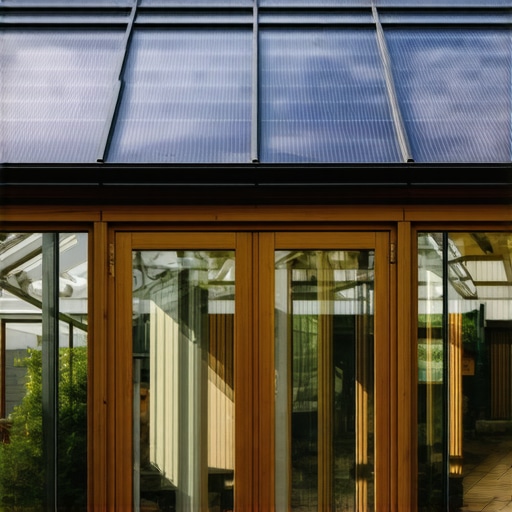
How Can I Ensure Longevity in Reclaimed Wood Structures?
One of the most nuanced challenges I faced was maintaining the structural integrity of aged wood exposed to varying weather conditions. I discovered that applying eco-friendly preservatives like natural oils or beeswax treatments not only enhanced durability but also aligned with my commitment to sustainability. Moreover, employing precision joinery techniques like mortise and tenon joints (which I learned from this detailed guide) ensured my greenhouse could withstand the test of time. These methods reveal how craftsmanship and environmental consciousness can coexist beautifully in DIY projects.
What Are the Subtle Art of Optimizing Light and Ventilation?
Achieving perfect light and airflow is more than just installing large windows or vents; it’s about understanding microclimates and plant needs. I experimented with recycled glass panels from old windows, which provided excellent insulation while maximizing sunlight. Adjusting vents based on seasonal changes required careful calculation and observation—an ongoing learning process that deepened my appreciation for natural design. Exploring home decor ideas helped me think creatively about integrating functional aesthetics into my greenhouse.
Dealing with Hidden Challenges and Unexpected Dilemmas
Reclaimed wood often conceals surprises—rot, warping, or insect damage—that demand careful inspection and sometimes creative solutions. Using moisture meters and visual assessments, I learned to identify weak points early. When necessary, reinforcing compromised sections with sustainable new wood or innovative joinery preserved the structure’s integrity. Sealing everything with eco-friendly preservatives, as outlined in this comprehensive guide, became my secret weapon against deterioration. Embracing these complexities transformed my approach from basic DIY to an art of nuanced craftsmanship.
Personalization as a Reflection of My Eco-Conscious Spirit
Adding personal touches—vintage hardware, reclaimed metal accents, or handcrafted signs—turned my greenhouse into a true extension of my personality. Installing a rainwater harvesting system from recycled containers not only enhanced sustainability but also deepened my connection with the environment. Inside, I customized shelving with reclaimed pallets, maximizing space while adding rustic charm. These details weren’t just aesthetic choices—they embodied my philosophy of living harmoniously with nature and craftsmanship. Sharing stories of these touches fosters community and inspires others to explore their own creative paths.
What Deeper Questions Do You Have About Sustainable DIY Gardening?
Are you curious about how to integrate advanced techniques into your projects or how to troubleshoot specific challenges? I invite you to reflect on your own experiences and questions—perhaps you’ve faced dilemmas similar to mine or discovered innovative solutions worth sharing. Engaging with a community of DIY enthusiasts not only enriches your knowledge but also fuels your passion for sustainable living. Feel free to explore more about smart DIY solutions and gardening innovations on this resource. The journey toward eco-friendly, resilient gardens is ongoing, and every challenge is an opportunity to deepen your craft and commitment.
Mastering Structural Reinforcement with Eco-Conscious Precision
One of the most nuanced aspects of maintaining a reclaimed wood greenhouse lies in ensuring its structural integrity over decades of varied weather exposure. I discovered that employing advanced joinery techniques, such as mortise and tenon joints, not only strengthens the framework but also preserves the authentic rustic aesthetic. To achieve this, I integrated natural, eco-friendly preservatives like plant-based oils and beeswax, which penetrate deeply into the aged wood, creating a resilient barrier against moisture and pests. This approach aligns with sustainability goals while providing durable protection. For a comprehensive understanding of these joinery methods, I recommend consulting this detailed guide.
Innovative Preservation Techniques for Long-Term Sustainability
Beyond traditional sealing, I experimented with natural oil infusions derived from local botanicals, which enhanced the wood’s resistance to environmental stressors without compromising eco-credentials. Applying these oils periodically, especially before the rainy season, revitalized the wood’s protective layer. Additionally, integrating bio-based preservatives, such as silica gels, can absorb excess moisture, reducing rot risk and extending the lifespan of reclaimed timber. These methods have transformed my approach from basic maintenance to a sophisticated preservation practice rooted in ecological responsibility.
Design Strategies for Optimized Light and Microclimate Control
Achieving optimal light and climate regulation within a reclaimed wood greenhouse demands a combination of creative design and scientific calculation. I incorporated recycled glass panels from old windows, carefully positioned to maximize sunlight while maintaining insulation. Strategically placed adjustable vents and louvers—crafted from reclaimed metals—enable precise airflow control, reducing reliance on mechanical systems. This microclimate management fosters healthier plant growth and reduces energy consumption. For inspiration, exploring home decor ideas can spark innovative aesthetic and functional solutions.
Addressing the Hidden Challenges of Reclaimed Material Sourcing
One of the most significant challenges I faced was sourcing genuinely viable reclaimed wood free from hidden rot or insect damage. I adopted a meticulous inspection protocol using moisture meters and visual assessments to evaluate each piece’s condition. When encountering compromised sections, I reinforced these areas with sustainably harvested, kiln-dried wood, seamlessly integrated into the structure. Sealing the entire assembly with eco-friendly preservatives not only prevented further deterioration but also maintained the aesthetic authenticity. These practices have elevated my projects from simple DIY endeavors to sophisticated craftsmanship rooted in environmental mindfulness.
Personalization as a Reflection of Sustainable Craftsmanship
Adding unique, personal touches—such as vintage hardware repurposed from old farm equipment or handcrafted signage made from reclaimed wood—transformed my greenhouse into a bespoke oasis. Installing a rainwater harvesting system from recycled containers provided a sustainable water source, reducing dependence on municipal supplies. Inside, shelving built from reclaimed pallets maximized space and emphasized my commitment to upcycling. These details serve as daily reminders of the harmony between craftsmanship and sustainability, inspiring others to pursue their own eco-conscious projects.
Join the Community of Eco-Conscious DIY Enthusiasts
Are you curious about integrating advanced preservation techniques into your reclaimed wood structures or seeking innovative solutions for microclimate optimization? I invite you to share your experiences or ask questions—your insights can inspire others on this sustainable journey. Exploring smart DIY solutions can deepen your understanding of eco-friendly innovations. Let’s continue to build resilient, sustainable gardens and structures that stand the test of time, blending craftsmanship with ecological responsibility. Your next project awaits—dive into these advanced techniques and make your green spaces truly enduring.
Things I Wish I Knew Earlier (or You Might Find Surprising)
The Hidden Strength of Weathered Wood
When I first started my reclaimed wood greenhouse project, I underestimated how much weathered wood could surprise me. I learned that with proper treatment, even the most aged planks could become remarkably durable, transforming my initial doubts into admiration for nature’s resilience.
The Power of Precise Joinery
Discovering advanced joinery techniques like mortise and tenon was a game-changer. It allowed me to reinforce my structure without sacrificing the rustic charm of reclaimed materials, proving that craftsmanship enhances sustainability.
Sealing Matters More Than I Thought
Applying eco-friendly preservatives isn’t just about protection; it’s about extending the life of your materials. I wish I had prioritized sealing from the start, which would have saved me time and effort later on.
Designing for Light and Ventilation
Optimizing sunlight and airflow is essential. Incorporating recycled glass panels and adjustable vents dramatically improved plant growth inside my greenhouse, showing me that thoughtful design makes all the difference.
Dealing with Surprises in Reclaimed Materials
Hidden rot, insect damage, or warping can catch you off guard. Regular inspections and reinforcement with sustainable new wood helped me maintain safety and longevity in my project, teaching me patience and diligence.
Resources I’ve Come to Trust Over Time
- Green Building Advisor: This site offers in-depth articles on sustainable construction techniques that helped me refine my practices.
- Reclaimed Wood Database: An excellent resource for sourcing quality reclaimed materials and understanding their properties.
- Instructables: The DIY community here provided step-by-step guides and inspiration, making complex techniques accessible.
- EcoBuilding Pulse: Staying updated on eco-friendly preservatives and treatments has been invaluable in prolonging my greenhouse’s lifespan.
Parting Thoughts from My Perspective
Building a reclaimed wood greenhouse has been one of my most rewarding projects, blending craftsmanship with sustainability. The hidden truths I’ve uncovered—like the importance of proper sealing, precise joinery, and thoughtful design—have transformed my approach to DIY building. If you’re considering a similar venture, remember that patience and attention to detail are your best allies. I encourage you to explore more about eco-friendly home improvements and sustainable gardening solutions on my blog. Your journey toward creating a resilient, environmentally friendly space begins with small, mindful steps—so go ahead and start your own green adventure today! Feel free to share your experiences or ask questions in the comments; I’d love to hear your story.