
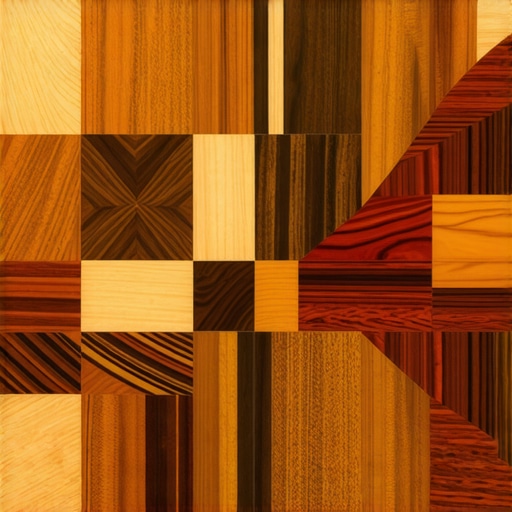
My Journey into the Art of Marquetry & Inlay
Ever since I picked up woodworking as a hobby, I was captivated by the intricate beauty of marquetry and inlay work. I remember my first attempt vividly; it was a small jewelry box where I tried to incorporate different wood veneers to create a floral pattern. That moment sparked a passion for exploring these decorative techniques that transform plain wood into stunning art pieces.
Understanding the Foundations of Marquetry & Inlay
To truly master these skills, I immersed myself in learning about the various types of wood veneers, from burl to zebrawood, and how to select them for contrast and texture. I discovered that the key to beautiful inlay work lies in precise cutting and fitting, which requires patience and a steady hand. I often refer to authoritative sources like DIY home decor ideas for inspiration on incorporating my projects into home interiors.
My Favorite Tools and Techniques for Perfect Inlay
Over time, I found that investing in quality tools, such as fine saw blades, chisels, and a good veneer saw, made a huge difference. I also learned to use a veneer pressing system to ensure tight fits and avoid gaps. One technique I love is the use of fine sandpaper and polishing compounds to give the finished piece a smooth, glossy appearance that highlights the intricate details. It’s a rewarding process that combines craftsmanship with artistry.
What Are the Common Challenges and How to Overcome Them?
One challenge I faced was dealing with wood expansion and contraction, which can cause inlay pieces to loosen over time. To mitigate this, I started applying eco-friendly adhesives like PVA glue, and I make sure to allow the pieces to acclimate to the environment before final assembly. Additionally, I recommend practicing on scrap wood to refine your skills before tackling a major project.
Why I Believe Marquetry & Inlay Are Worth the Effort
There’s a unique satisfaction in creating detailed patterns that seem to tell stories or evoke emotions. Each piece I craft feels personal, and I love sharing my work with friends and family. If you’re eager to learn more about advanced techniques, I suggest exploring advanced staining and sealing methods to give your projects a professional finish.
How Can I Incorporate Marquetry & Inlay into Modern Furniture?
Integrating these techniques into contemporary furniture design opens up exciting possibilities. For example, I recently added a marquetry pattern to a minimalist coffee table, which became a focal point in my living room. To achieve this, I combined traditional inlay methods with modern materials like resin for durability. The key is balancing intricate details with sleek lines to create harmonious pieces.
If you’re inspired to start your own journey with marquetry and inlay, I encourage you to share your experiences or ask questions in the comments below. Remember, patience and practice are your best friends in mastering these timeless arts.
Expanding Your Artistic Palette: Incorporating Marquetry & Inlay into Contemporary Designs
One of the most rewarding aspects of mastering marquetry and inlay is the ability to blend traditional craftsmanship with modern aesthetics. As I experimented with different furniture styles, I found that integrating intricate veneer patterns into sleek, minimalist pieces creates a striking contrast that elevates the overall design. For instance, adding a subtle floral inlay to a plain wooden headboard transforms it into a statement piece without overwhelming the space.
Can Modern Materials Enhance the Durability and Visual Appeal of Inlay Work?
Absolutely. While traditional inlay techniques rely heavily on wood veneers, incorporating modern materials like resin, metal, or even epoxy can open new creative avenues. Resin inlays, for example, allow for vibrant colors and can fill irregular gaps, ensuring a seamless finish. This approach not only enhances durability but also offers a contemporary twist. When working with such materials, it’s crucial to select compatible adhesives and sealing techniques to prevent issues like cracking or discoloration over time. For advanced sealing methods, I recommend exploring advanced staining and sealing techniques to protect your masterpieces from environmental wear.
Addressing Common Challenges: Precision, Adhesion, and Environmental Factors
One often overlooked challenge is the impact of environmental conditions on delicate inlay work. Variations in humidity and temperature can cause wood to expand or contract, potentially loosening inlay pieces. To mitigate this, I advise acclimating your wood and veneer materials in the workspace before beginning, and using adhesives like PVA glue that remain flexible as they cure. Additionally, practicing on scrap materials helps develop a steady hand and eye for detail, reducing costly mistakes in the final project.
Another key is controlling dust and debris during cutting and fitting. Fine dust can interfere with adhesive bonding and affect the smoothness of the surface. Using a dust extraction system or working in a clean environment ensures better results and easier cleanup. For those interested in the finer details of finishing, I recommend exploring advanced sealing techniques to achieve professional-quality surfaces that highlight your inlay work.
Practical Tips for Achieving Seamless Pattern Matching and Finishing
Achieving perfect pattern matching, especially for complex designs, requires patience and meticulous planning. Using a flexible pattern template or tracing paper helps visualize the final layout before committing to cuts. When fitting pieces, slight adjustments with fine sandpaper can ensure tight joints, while polishing compounds enhance the visual appeal by bringing out the wood’s natural luster. I often emphasize the importance of a final protective coat, whether it’s a clear lacquer or eco-friendly finish, to preserve the intricate details and ensure longevity.
If you’re eager to explore more about integrating these techniques into your projects, I encourage you to share your experiences or ask questions in the comments below. And if you want to dive deeper into related crafts, consider checking out creative solutions for home decor for inspiring ideas that complement your woodworking pursuits.
Deepening the Craft: Exploring the Intricacies of Marquetry and Inlay
As I delved further into the art of marquetry and inlay, I realized that true mastery involves understanding not just the basics, but also the subtle nuances that distinguish amateur work from professional artistry. One aspect I found particularly fascinating is the interplay of light and surface texture. When I started experimenting with different finishing techniques, I discovered that applying thin layers of varnish or specialized sealers can dramatically enhance the depth and vibrancy of the veneers, creating a luminous effect that seems to breathe life into the design. This process, while seemingly straightforward, demands patience and a keen eye for detail, especially when striving for a flawless, mirror-like surface that accentuates the intricate patterns. Achieving this level of refinement often involves multiple sanding and polishing stages, each revealing a new layer of beauty in the wood’s natural grain.
Innovating with Modern Materials: Pushing Boundaries in Inlay Design
One of the most exciting developments I embraced was integrating modern materials such as resin, metal, and even glow-in-the-dark compounds into traditional marquetry. These materials open up a world of creative possibilities, allowing for vibrant colors, metallic accents, or subtle illumination effects that were previously impossible with wood alone. For instance, I experimented with embedding resin inlays to fill irregular gaps, which not only strengthened the structure but also added a contemporary flair. When working with such materials, I learned that choosing the right adhesive and curing process is crucial to prevent issues like cracking or discoloration over time. For detailed guidance, I often refer to advanced sealing techniques, which ensure durability and a professional finish that withstands environmental challenges.
Addressing Precision and Environmental Challenges: The Art of Patience and Planning
Precision remains the cornerstone of successful inlay work, especially when pattern matching complex designs. I have found that meticulous planning, including creating detailed templates and practicing on scrap wood, significantly reduces errors. Additionally, environmental factors such as humidity and temperature fluctuations can cause wood and veneer to expand or contract, risking the integrity of the inlay. To counter this, I always allow my materials to acclimate in my workspace and use flexible adhesives like PVA glue, which can accommodate slight movements without compromising the bond. Controlling dust and debris is another critical aspect; a clean workspace and proper dust extraction systems help maintain the quality of adhesive bonds and surface finish. For those interested in extending their knowledge, exploring advanced sealing techniques can provide valuable insights into protecting your work from environmental wear.
Refining Pattern Matching and Finishing for Seamless Results
Achieving seamless pattern matching, particularly for intricate designs, involves a combination of careful measurement, flexible pattern templates, and gentle adjustments. I often use tracing paper overlays to preview how pieces will fit before making definitive cuts. Once the pieces are assembled, minor refinements with fine-grit sandpaper help ensure tight joints. Polishing compounds are invaluable for enhancing the natural luster of the wood and highlighting the craftsmanship behind each piece. Applying a final protective coat, such as clear lacquer or eco-friendly finishes, preserves the intricate details and prevents damage over time. The satisfaction of seeing a complex pattern come together flawlessly is unparalleled, especially when the finished piece becomes a centerpiece that sparks conversations or memories. If you’re eager to explore more advanced techniques, I recommend visiting creative home decor ideas to find inspiration and practical tips for elevating your projects.
The Future of Marquetry & Inlay: Merging Tradition with Innovation
Looking ahead, I believe that the fusion of traditional craftsmanship with innovative materials and methods will continue to push the boundaries of what’s possible in marquetry and inlay. Incorporating eco-friendly resins, recycled metals, or even LED lighting can transform these art forms into functional, sustainable, and visually stunning pieces. As I experiment with embedding tiny LED lights within inlay patterns, I see endless potential for creating interactive art and furniture that reacts to its environment. This blend of tradition and technology not only preserves age-old techniques but also ensures their relevance in contemporary design. I invite you to share your experiences or questions about these advanced approaches—your journey into this craft can inspire others to explore new horizons. Remember, mastery comes with patience, curiosity, and a willingness to innovate.
Exploring the Nuances of Light Play and Surface Texture in High-End Inlay
Delving into the realm of marquetry and inlay, I’ve come to appreciate the subtle interplay of light and surface texture as a hallmark of professional craftsmanship. Applying multiple thin layers of varnish or specialized sealers, such as those recommended by advanced sealing techniques, can create a luminous depth that elevates the visual impact of veneers. This process, demanding patience and a meticulous approach, involves successive sanding and polishing stages, each revealing new facets of the wood’s natural grain and enhancing the intricate patterns. Achieving a mirror-like finish not only accentuates the design but also provides a durable surface that withstands environmental stresses, essential for both artistic and functional pieces.
Innovating with Cutting-Edge Materials: Resins, Metals, and Illumination Effects
In recent projects, I have integrated modern materials such as high-quality epoxy resins, recycled metals, and even embedded LED lighting to push the boundaries of traditional marquetry. These materials allow for vibrant color contrasts, metallic sheen, and interactive illumination, transforming static inlay work into dynamic art. For example, embedding translucent resin filled with pigments creates a vivid, eye-catching effect while filling irregular gaps seamlessly. The compatibility of adhesives and curing processes becomes critical here; I recommend using UV-resistant resins and flexible bonding agents to prevent cracking or discoloration over time. This fusion of tradition and innovation breathes new life into age-old techniques, making them relevant in contemporary interior design and bespoke furniture.
What Are the Secrets to Precise Pattern Matching in Complex Designs?
Pattern matching complexity increases exponentially with design intricacy. My approach involves creating detailed templates and using tracing paper overlays to pre-visualize the final layout, allowing for adjustments before cutting. Fine-tuning with gentle sanding ensures tight joints and seamless transitions. Employing digital design tools, such as vector graphic software, can also enhance accuracy, especially for repetitive or symmetrical patterns, as highlighted by mastering pattern matching techniques. The key lies in patience, precision, and iterative testing on scrap materials. I invite you to share your own experiences or ask about specific design challenges—these conversations often lead to breakthroughs in craftsmanship.
How Can I Incorporate These Advanced Techniques into Your Unique Projects?
Integrating these sophisticated methods into your work requires thoughtful planning and experimentation. For instance, combining traditional inlay with modern resin fills or metallic accents can produce stunning focal points in furniture pieces or decorative panels. I suggest starting with small projects—such as a jewelry box or a decorative plaque—to refine your technique and understand the interactions between different materials. Experimenting with different finishes and sealers, as discussed in advanced sealing methods, helps you develop a professional touch. Remember, mastery is a journey of continuous learning and adaptation, and sharing your progress can inspire others in this vibrant craft community. Feel free to reach out via contact us for personalized advice or collaboration opportunities, as I love exchanging ideas with fellow artisans eager to elevate their craft.
Things I Wish I Knew Earlier (or You Might Find Surprising)
The Power of Patience
One of the most underestimated aspects of mastering marquetry and inlay is patience. I used to rush through projects, only to find that the smallest misalignment ruins the entire piece. Over time, I learned that taking my time, especially during cutting and fitting, yields far better results and a more satisfying process.
The Importance of Environment
Working in a controlled environment became a game-changer for me. Humidity and temperature fluctuations can cause wood and veneers to expand or contract, which affects precision. I now always acclimate my materials and work in a space with stable conditions for flawless inlay work.
Don’t Skimp on Tools
Investing in quality tools, like fine saw blades and precision chisels, made my craft much easier and more enjoyable. Cheap tools often lead to frustration and imperfect cuts. A good set of tools is truly worth every penny for achieving professional-looking results.
Practice on Scrap First
Before diving into your main project, practicing on scrap wood helps develop your skills and confidence. It’s a safe space to experiment with techniques and troubleshoot issues without risking your final piece.
Embrace Modern Materials
Incorporating materials like resin or metal can elevate your designs. I found that mixing traditional techniques with modern elements creates unique, contemporary art pieces that stand out and last longer.
Layering Finishes Matters
The way you finish your work can make or break its appearance. Multiple thin layers of varnish or sealers, followed by careful polishing, add depth and vibrancy to veneers, making your inlay truly shine.
Resources I’ve Come to Trust Over Time
- Fine Woodworking Magazine: An invaluable resource for professional tips and inspiration that helped refine my techniques.
- YouTube Channels like “Woodworking with Bob”: Great for visual learners, offering step-by-step tutorials on complex inlay patterns.
- Book: “Marquetry & Inlay” by Tom L. Jones: A comprehensive guide that deepened my understanding of the history and advanced methods.
- Online Forums such as LumberJocks: A supportive community where I could ask questions and share progress.
Parting Thoughts from My Perspective
Exploring the art of marquetry and inlay has been one of the most rewarding journeys I’ve embarked on as a woodworker. It’s a craft that demands patience, precision, and a willingness to learn from mistakes. But the end result—beautiful, intricate pieces that tell a story—makes every effort worthwhile. If this resonates with you, I encourage you to start small, practice diligently, and don’t be afraid to experiment with new materials and techniques. Your unique touch is what will make your work stand out. Feel free to share your experiences or ask questions—I’d love to hear how your journey unfolds and help in any way I can.