
Ever stood in front of your bathroom mirror, frustrated by the cluttered chaos of your tiny space? I’ve been there, battling for every inch of countertop real estate, feeling like my bathroom was more storage nightmare than relaxation haven. It hit me one day—what if I could free up that precious space while adding a touch of style? That’s when I discovered the magic of a custom floating vanity. Not only does it look sleek and modern, but it also maximizes the limited room I had, turning my bathroom into a cozy oasis instead of a cluttered mess.
Why a Floating Vanity Could Be the Game-Changer for Your Small Bathroom
When I first started considering a floating vanity, I realized many people overlook this simple yet effective solution. It’s not just about aesthetics; it’s about reclaiming space. A floating design creates the illusion of a larger room because it lifts your storage off the floor, making the area feel more open and airy. Plus, it’s easier to clean around—no more hard-to-reach corners or dust bunnies hiding underneath. If you’re tired of that cramped feeling and want a stylish upgrade, building your own floating vanity might be the perfect project. I promise, it’s more achievable than you think, even if you’re a beginner.
What’s Holding You Back From DIYing Your Bathroom?
Honestly, I used to worry about the complexity—will I get the measurements right? Will it be sturdy enough? Early on, I made the mistake of rushing into the project without proper planning, leading to a wobbly, poorly finished piece. But once I learned the key steps and took my time, everything fell into place. If I can do it, so can you. And the best part? You’ll end up with a custom piece that fits your space perfectly, saving money and adding personal flair. If you’re curious whether this is a feasible project for you, check out this comprehensive guide for DIY beginners.
What You’ll Discover Today
In this post, I’ll walk you through the step-by-step process of building your own space-saving floating vanity. From selecting the right materials, measuring accurately, to mounting it securely—every detail counts. By the end, you’ll have a stylish, functional addition to your bathroom that maximizes every inch of your small space. Ready to transform your bathroom into a sleek sanctuary? Let’s get started!
Cutting the Frame Precisely
Start by measuring your bathroom space. I once made the mistake of rushing this step, which resulted in a vanity that was too wide for my nook. To avoid this, use a tape measure and write down the exact dimensions. Cut your wooden frame to size with a saw, ensuring all cuts are square for stability. Think of this step as laying the foundation of a house; accuracy here ensures everything else aligns perfectly.
Assembling the Base Structure
Use brackets and screws to assemble the frame. I used a drill to secure the corners, making sure each joint was tight. This is like building a Lego model—precision keeps the structure sturdy. Check for squareness with a carpenter’s square before tightening all connections. This step is crucial because a wobbly frame will ruin the entire project.
Attaching the Support Panels
Attach the plywood or MDF panels to the frame, creating the top and sides. Use wood glue along with screws for extra strength. I recommend clamping the panels while the glue dries to prevent warping. Visualize this as the skin wrapping around your structure, providing both support and a smooth surface ready for finishing.
Adding the Storage and Countertop
Install shelves or drawers inside your frame. I used pre-made drawer slides, which made the process straightforward. For the countertop, measure and cut a piece of waterproof material like quartz or sealed wood. I once tried to save money by using untreated wood, but it warped quickly—so invest in quality here. Think of the countertop as the face of your vanity—it needs to be durable and stylish.
Securing to the Wall for Stability
This step is where the floating aspect comes together. Find the wall studs using a stud finder—trust me, I once anchored into drywall, and the vanity wobbled. Drill brackets into the studs and attach the back of your vanity. Tighten everything securely; this is the backbone that keeps your vanity sturdy over time. It’s like anchoring a boat—you want it to stay put even against water currents.
Finishing Touches and Style
Sand the edges and paint or seal your vanity for a sleek look. I chose a matte black paint, which complemented my small bathroom’s modern vibe. Add handles, a sink, and your favorite decor. Remember, a well-finished surface is easier to clean and adds to the style. This is the part where your project transforms from a DIY item into a custom piece of art for your bathroom.
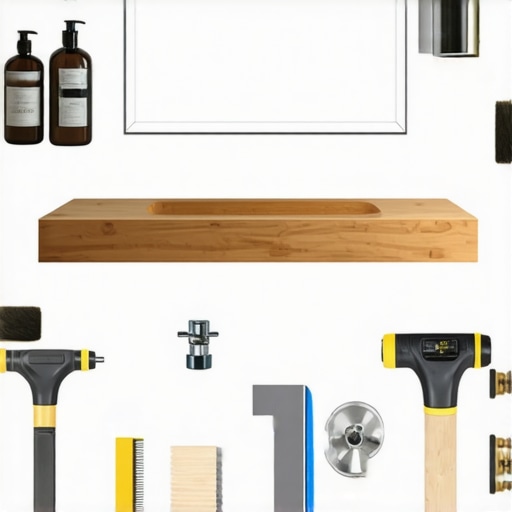
Many DIY enthusiasts jump into building a floating vanity with enthusiasm, but there are nuanced mistakes that can sabotage the entire project. Let’s dig deeper into what most people get wrong and how to avoid these pitfalls to ensure your bathroom upgrade is both stylish and sturdy.
Why Your Vanity Might Wobble Even After Installation
One of the most overlooked issues is anchoring the vanity securely to the wall. Many assume that attaching brackets to drywall will suffice, but this often leads to instability. The key is to locate and drill into the wall studs, which provide the necessary support for a heavy piece like a vanity. Failing to do so can result in wobbling or even the risk of falling, especially if you add a sink and other weighty components. Always use a stud finder and secure your brackets properly—think of it as giving your vanity a solid backbone.
Contrary to popular belief, the support structure must be designed with weight distribution in mind. Opting for thin or lightweight materials without considering load capacity can cause sagging over time. This is where understanding the nuances of materials like plywood versus MDF becomes crucial. Plywood, being more resilient, can handle heavier loads and provides better long-term stability. Don’t cut corners here—your future self will thank you.
Advanced Mistake: Ignoring Moisture Resistance in Materials
Another subtle but critical mistake is neglecting moisture resistance. Bathrooms are humid environments, and using untreated wood or MDF can lead to warping, swelling, or even mold growth. Many DIYers assume that sealing or painting is enough, but choosing water-resistant materials from the start is essential. For example, marine plywood or sealed MDF panels significantly extend the lifespan of your vanity. This attention to detail is often overlooked but makes all the difference in maintaining a sleek look over years of daily use. For more tips on finishing touches, check out home improvement tips.
How Can a DIYer Elevate Their Craft Beyond Basic Construction?
For the advanced DIYer, mastering the nuances of joinery and installation techniques is key. Mortise and tenon joints or reinforced brackets can improve the overall strength, especially for larger or heavier vanities. Additionally, understanding the subtle differences in wall types—plaster, drywall, concrete—can inform your anchoring strategy, preventing future issues. Incorporating these advanced considerations ensures your project isn’t just good-looking but also durable and safe. Check out soundproofing tips for more ideas on enhancing your DIY projects.
Have you ever fallen into this trap? Let me know in the comments. Remember, a well-executed DIY project is about paying attention to these often-overlooked details, which truly make a difference in the longevity and appearance of your work.
Maintaining your DIY floating vanity is crucial to ensure it stays functional and stylish over the years. After all, a well-built piece can last decades with proper care and some smart tools. In my experience, investing in the right equipment not only makes ongoing maintenance easier but also preserves the integrity of your craftsmanship. Let me share some specific tools I recommend that have proven invaluable in my projects and might help you keep your vanity in top shape.
Power Drill with Variable Speed and Right-Angle Attachment
A versatile power drill is essential for both assembly and maintenance. I prefer a model with variable speed settings because delicate tasks like tightening screws or replacing hardware require finesse. The right-angle attachment is a game-changer for reaching tight spots—especially behind the vanity where space is limited. Regularly checking and tightening wall anchors and brackets with this tool prevents wobbling and ensures stability. For a reliable option, I recommend the DeWalt DCD740C1 for its durability and precision.
Clamps and Clamping Squares for Precision
During the initial build, I used clamps to hold panels in place while the glue dried. For ongoing maintenance, clamps are equally useful for fixing minor warping or re-gluing loose joints. Clamping squares help maintain perfect right angles when reassembling or adjusting parts. These tools are inexpensive but invaluable for maintaining the structural integrity of your vanity over time.
Moisture Meter and Water-Resistant Sealant
Since bathrooms are humid, moisture can gradually degrade your vanity’s materials. A digital moisture meter helps monitor the wood or MDF condition—detecting early signs of warping or mold risk. Regularly applying a high-quality water-resistant sealant, especially on exposed surfaces, keeps moisture at bay. I recommend this guide for choosing the right sealants and techniques for long-term protection.
Cleaning Tools and Gentle Polishes
Keeping your vanity looking fresh requires proper cleaning tools. Use soft microfiber cloths and gentle, eco-friendly polishes to avoid damaging painted or sealed surfaces. Avoid abrasive scrubbers that can scratch the finish. Regular cleaning with these tools prevents dust accumulation and maintains the appearance of your DIY project.
Future Trends in DIY Maintenance
Looking ahead, I believe smart tools integrated with IoT technology will revolutionize DIY maintenance routines. Imagine moisture sensors that automatically alert you to potential issues or app-controlled sealant sprayers that ensure even application. Embracing these innovations can extend the lifespan of your projects and simplify upkeep.
How do I keep my DIY vanity working well over time?
Consistent inspections, timely tightening of fasteners, and using quality sealants go a long way. Additionally, adopting smart maintenance tools—like moisture meters and eco-friendly cleaners—helps preserve your work with minimal effort. For more advanced DIY tips and tools, check out this resource.
Ready to elevate your DIY game? Try using a moisture meter regularly to catch early signs of wear, and don’t forget to reseal surfaces every few years. Proper maintenance is the secret to ensuring your craftsmanship endures, saving you money and stress in the long run.
What I Wish I Knew Before Building My Floating Vanity
- One of the biggest lessons I learned was how crucial wall support is. Relying solely on drywall anchors isn’t enough—finding and securing into wall studs makes all the difference in stability and safety.
- Choosing moisture-resistant materials from the start saved me from warping and mold. Marine plywood or sealed MDF panels are worth the investment for long-term durability.
- Taking the time to measure everything twice prevented costly mistakes. Precision isn’t just for professionals; it’s the secret to a perfect fit and a clean finish.
- Don’t underestimate the importance of proper mounting techniques. Secure brackets into studs and use the right tools, like a right-angle drill attachment, to make installation smoother and more secure.
- Finishing touches matter. Sanding edges, sealing surfaces, and adding stylish hardware elevate the look and make maintenance easier.
Tools and Resources That Changed My Approach
- DeWalt DCD740C1 Power Drill: Reliable, versatile, and perfect for both assembly and maintenance tasks. It’s the tool I always trust for DIY projects.
- Clamping Squares and Quality Sealants: These help keep everything aligned during assembly and protect against moisture over time, especially in humid bathrooms.
- Moisture Meter: Early detection of potential issues prevents warping. I use it regularly for peace of mind.
- Home Improvement Guides: Resources like this comprehensive DIY guide empower even beginners to craft stunning, sturdy vanities.
Your Next Step to a Bathroom Makeover
Building a DIY floating vanity is more than just a project—it’s a chance to create a space that truly reflects your style and maximizes your small bathroom’s potential. With patience, planning, and the right tools, you can turn a simple idea into a beautiful, lasting feature. Remember, your bathroom deserves a custom touch that combines function and flair. Why not start today and make your small bathroom feel more spacious and stylish? Share your thoughts or ask questions below—I’d love to hear about your DIY journey!
I absolutely agree with the benefits of a floating vanity, especially in smaller bathrooms where every inch counts. I recently installed one in my guest bathroom, and it truly made the space feel larger and more open. I was initially worried about mounting it securely, but using wall studs made all the difference. Something I learned the hard way was the importance of moisture-resistant materials—using sealed MDF or marine plywood has saved me from warping and mold issues down the line. Have others found that specific materials make maintenance easier? Also, I’m curious about the best finishes for DIY vanities—do you prefer paint, sealant, or natural wood? I’d love to hear your experiences or recommendations for ensuring long-term durability while maintaining a sleek look.