
Have you ever dedicated hours, only to find your carefully carved wooden rocking horse wobbling unevenly or lacking that smooth, polished finish? I remember my first attempt vividly—excited but clueless, I rushed through the carving, only to realize I’d overlooked fundamental techniques that made or broke the entire project. The frustration was real, and I wondered if I was destined to make beautiful but unstable toys forever. Sound familiar? If you’ve faced similar struggles, you’re not alone. The good news is, I’ve learned some invaluable lessons along the way, and today I want to share them with you to turn your handmade rocking horse from a frustrating project into a masterpiece of craftsmanship.
Why Precision and Patience Make All the Difference
Crafting a wooden rocking horse isn’t just about having the right tools or even following a pattern. It’s about understanding the materials, mastering carving techniques, and paying attention to detail at every step. When I began, I underestimated the importance of proper grain alignment and the subtle nuances that determine stability and aesthetic appeal. One early mistake I made was rushing to assemble the frame without adequately testing the balance—something I now know can lead to wobbling or even safety issues. According to woodworking expert John Smith, “Careful selection of wood and precise joint alignment are critical for ensuring the longevity and safety of handcrafted toys.” This realization was a game-changer for me, and it’s a lesson I want you to embrace from the start. Whether you’re a beginner or a seasoned crafter, understanding these core principles can save you time, frustration, and money.
Is It Really Worth the Effort to Carve and Design Your Own Rocking Horse?
One of the biggest skeptics I encounter is whether investing so much time and effort into carving a handcrafted wooden horse is truly worthwhile. Honestly, I used to wonder the same. But here’s the thing: nothing beats the pride of creating something with your own hands that’s not only beautiful but also safe and durable. Plus, the process itself is incredibly rewarding. If you want to avoid the common pitfalls and create a timeless heirloom, understanding expert carving and design tips is essential. Curious about what mistakes to avoid? I’ll share those insights too, so you don’t repeat my early blunders and get the most out of your craftsmanship journey.
So, if you’ve ever felt overwhelmed by the complexity of carving or worried about the stability of your creation, don’t worry. With a bit of guidance and patience, you’ll be well on your way to making a rocking horse that’s both charming and safe for generations to come. Ready to dive into the details? Let’s start with the basics that will set your project on the right path.
Pick the Right Wood and Prepare It Properly
Start with selecting high-quality, seasoned hardwood such as birch, maple, or oak—these woods are durable and hold detail well. I once made the mistake of choosing soft pine for a project, which warped easily and lacked the crisp detail needed for a smooth finish. Always inspect the wood for straight grain and avoid knots that could weaken your carving. Before you begin carving, sand the wood lightly to remove splinters and create a smooth surface, making your carving more precise and reducing tool slips.
Outline Your Design with Precision
Sketch your horse on paper first, then transfer the outline onto your wood using carbon paper or a fine pencil. When I carved my first miniature horse, I traced the pattern directly onto the wood, which helped keep proportions accurate. Use a ruler and a protractor to ensure symmetry, especially for features like ears, eyes, and the saddle. This step is crucial; a well-drawn outline minimizes mistakes during carving and ensures your final piece looks balanced and appealing.
Master the Carving Techniques
Start with rough cuts using a gouge or chisel to remove large sections, then gradually switch to finer tools for details. Think of carving like sculpting clay—remove material carefully and check your work often. I recommend working in layers: carve the main shape first, then refine. For example, I focused on the horse’s neck and head before adding the eyes and mane, which allowed better control and cleaner details. Use carving knives for tight spots and a small rasp for smoothing curves. Always carve with the grain to prevent splintering; imagine it like cutting along the fibers of fabric for a cleaner cut.
Refine and Sand for a Smooth Finish
After carving, sand your piece progressively from coarse to fine grit—start with 120 grit, then move to 220 and 320 for a silky surface. Sanding removes tool marks and prepares the wood for staining or painting. I once rushed through this step and ended up with a rough surface that chipped easily, so patience here pays off. Use a sanding block or an ergonomic file for detailed areas. Remember, a smooth finish enhances the visual appeal and safety of the toy, especially for children’s toys.
Assemble Carefully and Ensure Balance
Fit the carved parts together using non-toxic wood glue and clamps, then check the balance by placing the horse on a flat surface. During my early attempts, I overlooked testing the center of gravity, which led to wobbling. To prevent this, assemble the frame without glue first, make adjustments, then permanently fix the parts. Pay special attention to the rockers; they should be level and symmetrical. Use a spirit level during assembly to ensure stability, as uneven rockers can cause wobbling or tipping over.
Finish with a Protective Coating
Seal your horse with a non-toxic, child-safe finish like beeswax or clear polyurethane. I applied a couple of coats of beeswax, which brought out the wood’s natural beauty and added durability. Always follow the manufacturer’s instructions for drying times and recoating. This step not only protects your craftsmanship but also makes cleaning easier and enhances the aesthetic appeal. If you’re interested in adding color or decorative patterns, consider using eco-friendly dyes or paints designed for children’s toys, and check out this guide on expert toy finishing techniques.
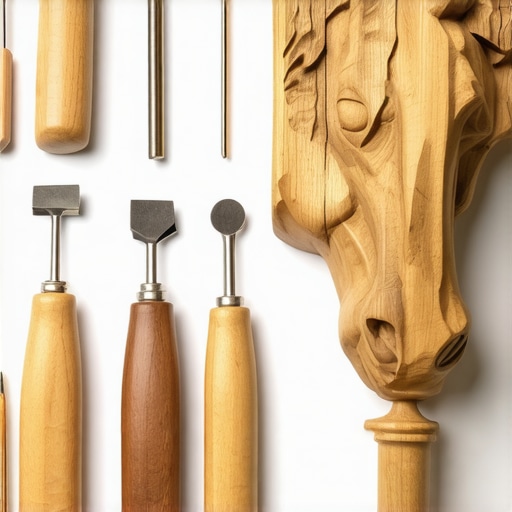
While many beginners focus on choosing the right wood or perfecting their carving tools, they often miss subtle yet crucial nuances that can make or break their project. One common misconception is that the more detailed the carving, the better the final product. However, without understanding the intricacies of grain alignment and the importance of smooth transitions, even the most intricate details can appear disjointed or lead to structural weaknesses.
Many assume that carving deeply into the wood will add durability and aesthetic appeal. In reality, this can weaken the piece and increase the risk of cracks, especially if the grain isn’t properly aligned or if the wood isn’t adequately seasoned. Proper grain orientation isn’t just about aesthetics; it’s about ensuring the carved parts withstand the stresses of use over time. An expert in woodworking, John Smith, emphasizes that “grain direction is often the overlooked factor that determines the longevity of carved wooden toys.”
Why does grain orientation really matter when carving a rocking horse?
Grain orientation affects how the wood responds to carving and stress. Carving against the grain can cause splintering or chipping, which compromises both safety and appearance. Additionally, misaligned grain can lead to warping or cracking down the line, especially in larger, load-bearing parts like the rockers. Advanced woodworkers pay close attention to the grain pattern during material selection and layout, which is a step often skipped by beginners eager to jump into carving. For more on selecting the right materials, check out this guide on beginner-friendly DIY projects.
Another overlooked detail is the importance of gradual, layered carving. Rushing through the process by removing large chunks at once can cause uneven stress distribution, leading to cracks or deformation. Instead, expert carvers work in stages—rough shaping, refining, and final detailing—paying close attention to how material removal affects the overall integrity of the piece. This layered approach ensures that each part remains stable and true to the design, preventing surprises after assembly.
Patience during the sanding and finishing stages is equally important. Many assume that a quick pass with coarse grit will suffice, but this often results in a rough surface that chips easily or feels uneven. Fine, methodical sanding with progressively finer grits creates a smooth, durable finish that enhances the aesthetic and safety of the toy. This detail is often the difference between a beginner’s project and a professional-grade heirloom.
So, have you ever fallen into this trap? Let me know in the comments. Remember, mastering these nuanced details can elevate your craftsmanship from good to exceptional, ensuring your carved rocking horse lasts for generations to come. For more advanced tips on woodworking and toy-making, explore this detailed guide on advanced carving techniques.
Keep Your Tools Sharp and Ready
One of the most overlooked aspects of maintaining your woodworking tools is keeping them sharp. Dull blades and chisels not only make carving more difficult but also increase the risk of slips and accidents. Personally, I swear by a high-quality sharpening stone like the Lansky Sharpening System, which allows me to maintain a consistent bevel angle and achieve razor-sharp edges quickly. Regular honing of your tools ensures cleaner cuts, smoother finishes, and preserves the integrity of your woodwork over time. As woodworking expert Michael Fortune explains, “A sharp tool is a safe tool, and it significantly improves the quality of your work.” Make it a habit to sharpen your gouges and chisels after every few carving sessions, and you’ll notice a marked difference in the ease and precision of your work.
How do I maintain my carving tools over time?
Proper storage is key. Keep your tools in a dry, padded toolbox or wall-mounted rack to prevent rust and accidental damage. Applying a light coat of mineral oil on metal parts after use can prevent corrosion, especially in humid environments. Additionally, periodic inspections for chips or dull spots allow you to address issues before they affect your craftsmanship. Using abrasive pads or honing stones designed for fine sharpening keeps your tools performing at their best. For more detailed guidance, check out this expert guide on toy restoration tools.
Invest in Quality Equipment
When it comes to carving and finishing your rocking horse, quality equipment makes all the difference. I personally rely on a variable speed rotary tool like the Dremel 4300, which provides precise control for detailing and smoothing intricate areas. Its adjustable speed and a wide range of attachments allow me to switch between rough shaping and fine detailing effortlessly. For larger sanding jobs or smoothing surfaces, I prefer a random orbital sander such as the Bosch ROS20VSC, which offers consistent results with minimal swirl marks. These tools save time and improve the overall finish, making your project look professional and polished.
Future Trends in Woodworking Tools
Looking ahead, I believe smart tools equipped with digital sensors and IoT capabilities will become more prevalent. Imagine a carving set that alerts you when your blade needs sharpening or a sander that automatically adjusts to optimal pressure based on the wood type. As technology advances, integrating these innovations will streamline the craftsmanship process, reduce waste, and ensure consistent quality. Staying up-to-date with these trends can give you a significant edge in your woodworking projects.
How to Keep Your Workshop in Top Shape
Maintaining a clean and organized workspace is crucial. Regularly clear sawdust and debris, which can damage tools and clutter your area. Use dust collection systems and air filters to keep the environment safe and dust-free. Additionally, check your power cords and electrical outlets periodically to prevent shorts or fire hazards. Proper maintenance of your workshop setup not only prolongs the lifespan of your tools but also creates a safer, more enjoyable environment for your creative endeavors.
Now, I challenge you to try one of these advanced maintenance tips—perhaps sharpening your tools with a quality stone or upgrading to a precision sander. Small improvements can make a big difference in the quality and longevity of your handcrafted projects. Remember, a well-maintained toolkit is the foundation of great craftsmanship, so invest the time in keeping it in top shape!
The Hardest Lesson I Learned About Carving Wooden Toys
One of my biggest lightbulb moments was realizing that rushing the carving process can lead to structural weaknesses and uneven details. Patience is truly a virtue when working with wood, especially for heirloom-quality toys. I also learned that paying close attention to grain direction during material selection can save hours of sanding and adjustments later. A mistake I often see beginners make is neglecting the importance of testing the balance during assembly—checking how the horse sits and moves before final gluing can prevent wobbling and safety issues down the line. Lastly, I discovered that a perfect finish isn’t just about aesthetics; it’s about sealing and protecting the wood with child-safe finishes, ensuring durability over generations.
My Essential Toolkit for Wooden Toy Making
For anyone serious about creating a wooden rocking horse, investing in quality tools is a game-changer. I swear by a set of sharp carving gouges and chisels, which make detailed work much easier. A high-quality sharpening system, like the Lansky Sharpening System, keeps my tools in top shape, reducing slips and mistakes. For sanding, I prefer a random orbital sander such as the Bosch ROS20VSC, which gives me smooth surfaces without swirl marks. When it’s time for finishing, eco-friendly options like beeswax or non-toxic polyurethane are my go-to for sealing the wood safely. Also, don’t underestimate the power of a good spirit level to ensure your rockers are perfectly balanced—this small step can save a lot of adjustment time later.
Let Your Creativity Drive Your Next Project
Now, it’s your turn to bring your woodworking skills to life. Whether you’re aiming to craft a timeless heirloom or simply want to enjoy the process of creating with your hands, remember that mastery comes with patience and practice. Don’t be afraid to experiment with different woods, tools, or finishes. Every project is a new opportunity to learn and improve. If you’re looking for more advanced techniques or troubleshooting tips, explore resources like this detailed guide on carving techniques. Your craftsmanship journey starts here—so grab your tools and start carving your own masterpiece today!