
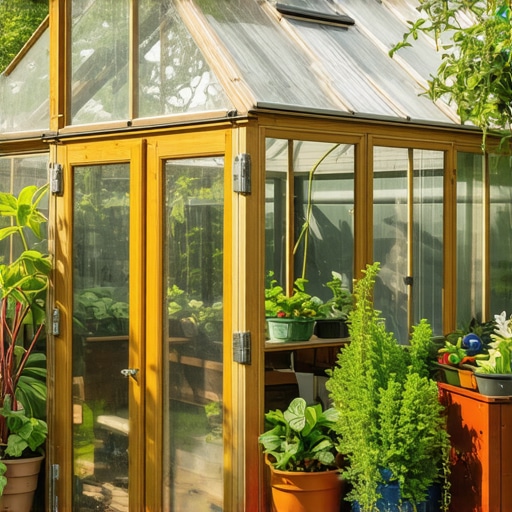
How My Passion for Sustainable Gardening Led Me to Build a Reclaimed Wood Greenhouse
Ever since I started gardening with a focus on sustainability, I dreamed of creating a space where I could nurture my plants year-round without harming the environment. One rainy weekend, I decided to turn that dream into reality by building my own reclaimed wood greenhouse. It was a project born from a love for DIY and a desire to reduce waste, and I want to share this journey with you.
Gathering Reclaimed Materials: Turning Trash into Treasure
The first step was sourcing quality reclaimed wood. I visited local salvage yards and scoured online marketplaces, finding beautiful, weathered timber perfect for framing. Using reclaimed wood not only saved money but also reduced deforestation and minimized waste. I learned that reclaimed wood has character and strength, making it ideal for outdoor structures. For more inspiration on creative reuse, check out creative DIY crafts.
Designing a Sustainable Greenhouse with Personal Touch
Designing the greenhouse was both fun and challenging. I kept it simple, ensuring good airflow and ample sunlight. I used recycled windowpanes for the roof, creating a natural, diffused light environment. Incorporating eco-friendly features like rainwater harvesting and natural ventilation made the design even more sustainable. This project was a perfect example of how DIY can help us reduce our ecological footprint while creating something beautiful and functional.
Building with My Own Hands: From Foundation to Finish
Constructing the greenhouse was a labor of love. I carefully assembled the reclaimed wood frame, ensuring sturdy joints with traditional techniques like mortise and tenon. I sealed the wood with natural, non-toxic finishes to protect it from the elements. The process taught me the importance of patience and precision, and I felt a deep connection to each part of my creation. Throughout the build, I documented my progress and learned valuable skills that I can apply to future projects.
What Are the Long-Term Benefits of Reclaimed Wood Greenhouses?
Having built this greenhouse, I noticed several benefits: lower costs, reduced environmental impact, and a sense of satisfaction from creating something unique. My plants thrive in this eco-friendly environment, and I enjoy knowing that I contributed to sustainability. Plus, the greenhouse adds charm and character to my garden, proving that sustainability can be beautiful and personal.
Why Is Reclaimed Wood Such a Good Choice for DIY Garden Structures?
Reclaimed wood is durable, character-rich, and eco-friendly. It’s perfect for DIY projects like greenhouses because it’s strong enough to withstand outdoor conditions and adds a rustic aesthetic. Plus, using reclaimed materials helps divert wood from landfills and reduces the demand for new timber. If you’re interested in expanding your DIY skills, exploring step-by-step DIY guides can be incredibly helpful.
If you’re considering building your own reclaimed wood greenhouse, I encourage you to start small and enjoy the process. Share your experiences or ask questions in the comments below—I love hearing from fellow DIY enthusiasts. Remember, every little project contributes to a more sustainable and beautiful world!
Harnessing the Power of Reclaimed Wood for Eco-Friendly Greenhouse Design
Building a greenhouse from reclaimed wood is more than just an eco-conscious choice—it’s an opportunity to craft a unique, durable, and aesthetically pleasing structure that harmonizes with nature. As an expert in sustainable DIY projects, I can attest that selecting the right reclaimed materials involves understanding wood’s history, condition, and suitability for outdoor use. It’s essential to inspect each piece for rot, pests, or structural flaws, ensuring longevity and safety. This meticulous selection process not only guarantees a resilient greenhouse but also embodies true sustainability by giving new life to discarded timber.
Innovative Design Strategies for a Self-Sustaining Greenhouse
Designing a greenhouse that maximizes solar gain and minimizes environmental impact requires thoughtful planning. Incorporate natural ventilation systems, such as adjustable vents and passive airflow channels, to reduce reliance on energy-consuming fans. Integrate rainwater harvesting features and water-efficient irrigation systems to maintain optimal humidity and moisture levels. For added sustainability, consider installing solar panels to power auxiliary systems, turning your greenhouse into a near-off-grid oasis. Such innovations demonstrate how DIY enthusiasts can leverage eco-friendly technologies for functional, beautiful structures that serve as a model for sustainable living.
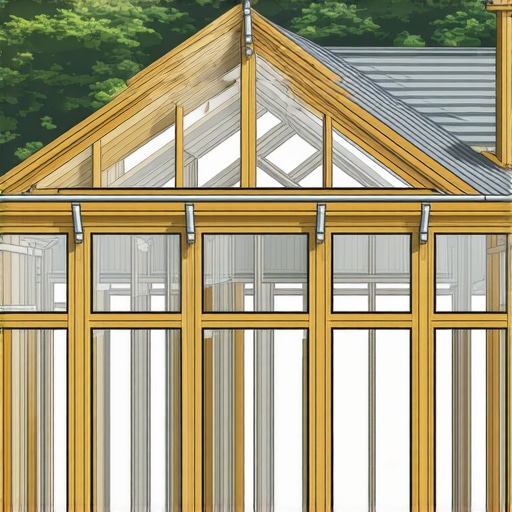
To enhance your understanding, imagine a detailed visual guide illustrating the step-by-step assembly of a reclaimed wood greenhouse, highlighting joinery techniques like mortise and tenon, natural sealing methods, and innovative ventilation solutions. This visual aid can be invaluable in replicating or customizing your project, emphasizing the importance of precision and craftsmanship in sustainable construction.
Addressing Common Challenges in DIY Greenhouse Projects
One of the most frequent hurdles is ensuring the structural integrity of reclaimed wood exposed to outdoor elements. To combat this, apply natural, non-toxic sealants that penetrate the wood, protecting it from moisture and pests without compromising eco-friendliness. Additionally, proper foundation preparation is critical; a well-drained, level base prevents water accumulation and wood rot. For insulation and temperature regulation, consider insulating panels made from recycled or natural materials, which help maintain optimal growing conditions year-round.
Expert Tips for Long-Term Success and Sustainability
Regular maintenance is key to extending your greenhouse’s lifespan. Periodically check joints and seals, reapply natural preservatives, and monitor ventilation systems for efficiency. Incorporating native plantings around your greenhouse can also promote biodiversity and reduce water needs. Sharing your progress and seeking feedback from fellow DIYers can foster a community of sustainable builders, inspiring continuous innovation. Remember, every detail—from choosing eco-friendly finishes to designing for energy efficiency—contributes to a more resilient and environmentally responsible structure.
What innovative techniques can I use to further enhance the sustainability of my reclaimed wood greenhouse?
Exploring advanced eco-technologies such as integrating composting systems, utilizing recycled plastic or glass for glazing, and installing automated climate control systems driven by renewable energy can significantly boost your greenhouse’s sustainability. For inspiration and practical guidance, check out creative DIY crafts and stay updated with emerging green building practices. Sharing your ideas and seeking advice in online forums can also lead to innovative solutions tailored to your climate and project scope.
If you’re eager to deepen your skills, I recommend exploring step-by-step DIY guides that provide comprehensive instructions suitable for all experience levels. Remember, every project is a step toward a greener, more sustainable future—so, start building and let your creativity flourish!
Elevating Your Greenhouse: Embracing Sophisticated Reclaimed Materials and Design Innovation
Building upon my initial journey into sustainable gardening and reclaimed wood greenhouses, I’ve discovered that pushing the boundaries of design and technique can lead to truly transformative results. Integrating advanced joinery methods such as dovetail or butterfly joints not only enhances the structural integrity but also adds an artisanal touch that elevates the aesthetic appeal. Such techniques require patience and precision, but the payoff is a resilient structure that ages beautifully while maintaining strength. When selecting reclaimed wood, inspecting for historical use and previous treatments is crucial—this ensures that each beam or plank contributes to longevity and safety, especially when exposed to outdoor elements.
Innovative Climate Control Strategies for Self-Sustaining Greenhouses
To create a truly eco-friendly and energy-efficient greenhouse, consider integrating passive solar design principles. This includes optimizing orientation to maximize sunlight exposure during winter months while minimizing overheating in summer. Incorporating thermal mass elements like recycled stone or concrete can stabilize indoor temperatures, reducing the need for active heating or cooling. Additionally, advanced ventilation systems with automated louvers or vents can harness natural airflow, further decreasing energy consumption. For those interested in renewable energy integration, installing photovoltaic panels not only supplies power for essential systems but also illustrates a comprehensive commitment to sustainability. Combining these strategies transforms a simple structure into a self-sustaining ecosystem.
Deep Dive: How Can I Use Reclaimed Materials to Enhance Both Sustainability and Artistic Expression?
Reclaimed materials offer a canvas for creative expression that aligns with eco-conscious values. For instance, incorporating salvaged industrial metal elements or repurposed glass pieces can add unique textures and visual interest. Techniques like upcycling old window frames into decorative vents or using discarded ceramic tiles as decorative inlays can elevate the greenhouse’s character. These elements often carry a history and patina that imbue your project with authenticity and charm. Exploring mixed-media approaches, such as embedding botanical dyes or eco-prints onto reclaimed fabrics for shading or interior accents, can further personalize your space. Sharing your innovative ideas and challenges in online forums can foster a community of sustainable builders exchanging inspiration and practical tips.
What Are the Key Considerations for Ensuring Longevity and Minimal Maintenance in a Reclaimed Wood Greenhouse?
Long-term success hinges on meticulous planning and ongoing care. Applying natural, breathable sealants like linseed or tung oil can protect reclaimed wood from moisture while maintaining ecological integrity. Regular inspections for pests, rot, or structural stress are essential, especially after harsh weather conditions. Incorporating a drainage layer beneath the foundation prevents water accumulation, which can accelerate decay. Additionally, designing for easy access to critical joints and seals facilitates maintenance and reapplication of protective finishes. Using recycled or natural insulation materials, such as sheep’s wool or cork, can improve thermal regulation without compromising sustainability. These considerations ensure that your greenhouse remains a durable, beautiful, and low-maintenance sanctuary for years to come.
How Can I Further Innovate My Greenhouse Design Using Emerging Eco-Technologies?
Emerging eco-technologies provide exciting opportunities to enhance sustainability further. Integrating composting systems within or near the greenhouse allows for nutrient recycling and reduces waste. Installing automated irrigation systems with moisture sensors optimizes water use, conserving resources while maintaining ideal conditions. Recycled plastic or glass glazing can increase insulation while reducing environmental impact, and smart climate control systems powered by renewable energy sources can fine-tune internal conditions with minimal energy input. Exploring advanced materials like phase-change materials (PCMs) for thermal regulation or incorporating biophilic design elements to promote biodiversity can elevate your project to a new level of ecological sophistication. For inspiration and detailed guidance, exploring creative DIY crafts can spark innovative ideas. Sharing your experiments and discoveries with a community of fellow DIYers can accelerate your learning and lead to more refined, sustainable solutions.
If you’re eager to implement these advanced strategies, I recommend consulting comprehensive resources like step-by-step DIY guides. Remember, every innovative step you take not only enhances your green space but also contributes to a more sustainable future—so keep experimenting, learning, and sharing your journey with others.
Harnessing the Potential of Salvaged Materials for Artistic and Structural Excellence
Venturing beyond conventional methods, I delved into integrating salvaged industrial elements—such as rusted metal accents and repurposed glass—into my greenhouse design. This fusion not only amplifies the aesthetic appeal but also exemplifies the pinnacle of sustainability. The challenge lay in ensuring these materials’ compatibility and structural integrity, which I addressed through meticulous testing and reinforcement. Incorporating these elements creates a mosaic of textures and stories, transforming the greenhouse into a living gallery of eco-conscious craftsmanship. To explore inspiring techniques for integrating mixed-media materials, visit creative DIY crafts.
Advanced Joinery and Structural Innovations for Longevity
Utilizing techniques such as butterfly joints and reinforced mortise and tenon connections, I enhanced the durability of my reclaimed wood framework. These sophisticated joinery methods distribute stress more evenly and resist warping over time, which is crucial for outdoor structures exposed to variable weather. Additionally, I incorporated thermal bridges and insulation strategies—like recycled cork inserts—to regulate temperature fluctuations, ensuring optimal plant growth conditions. Such innovations demand precision but reward with a resilient, elegant structure that ages gracefully. For comprehensive guidance on complex woodworking joints, consult mastering advanced joints.
Implementing Smart Eco-Technologies for a Self-Regulating Greenhouse Ecosystem
Integrating passive solar design with cutting-edge eco-technologies, I installed automated climate control systems powered by solar panels. These systems utilize sensors to modulate ventilation, shading, and watering, creating a self-sustaining environment. The addition of phase-change materials (PCMs) allows for thermal energy buffering, reducing reliance on external heating or cooling. Incorporating composting units within the structure recycles organic waste into nutrient-rich soil, closing the sustainability loop. This holistic approach transforms the greenhouse into a micro-ecosystem that minimizes energy consumption while maximizing productivity and ecological harmony. For insights into innovative eco-tech integrations, explore creative DIY crafts.
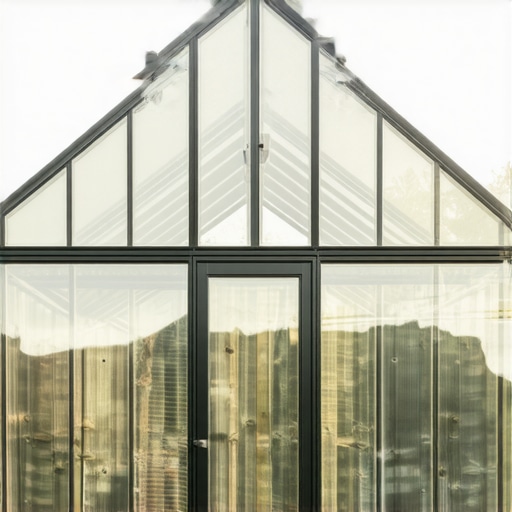
This visual guide illustrates the intricate joinery techniques, eco-friendly insulation methods, and smart climate systems integrated into my reclaimed wood greenhouse, highlighting the craftsmanship and technological synergy that define my sustainable approach.
Addressing Challenges in Reclaimed Material Preservation and Adaptation
One significant obstacle was ensuring the longevity of reclaimed wood subjected to outdoor conditions. I employed natural preservatives like tung oil and embedded moisture barriers within the joints to prevent rot and pest infiltration. Additionally, designing for ease of maintenance—such as removable panels and accessible joints—facilitates ongoing preservation efforts. Adapting these materials to withstand environmental stresses requires both scientific understanding and artistic intuition, blending traditional craftsmanship with modern ecological insights. For detailed strategies on material preservation, visit expert metal art techniques.
Fostering Community and Knowledge Sharing for Sustainable Growth
Engaging with online forums and local eco-builder groups has been invaluable for exchanging advanced techniques and troubleshooting complex issues. Sharing detailed documentation of my process—highlighting successes and setbacks—encourages collaborative learning and continuous innovation. I invite you to participate actively in these communities, where collective expertise accelerates the adoption of sophisticated sustainable practices. Together, we can push the boundaries of what’s possible with reclaimed materials, turning visionary ideas into tangible, eco-friendly realities. To connect with like-minded DIY enthusiasts, explore contact options.
Things I Wish I Knew Earlier (or You Might Find Surprising)
Patience Is a Virtue in DIY Projects
When I first started building my reclaimed wood greenhouse, I underestimated how much time and care it would require. Rushing through the process led to some misaligned joints and a bit of frustration. Taking it slow and paying attention to detail actually made the project more rewarding and durable.
The Hidden Strength of Weathered Wood
I was initially worried that reclaimed, weathered wood wouldn’t hold up outdoors. To my surprise, with proper sealing and maintenance, it proved to be incredibly resilient. Its character added charm and personality to the greenhouse that new wood couldn’t replicate.
Design Matters More Than I Thought
Simple designs can be both beautiful and functional. I learned that focusing on good airflow, sunlight, and water management made a huge difference in plant health and ease of use. Overcomplicating the design often led to unnecessary challenges.
Small Details Make a Big Difference
Features like natural ventilation and rainwater harvesting didn’t just make my greenhouse more sustainable—they also enhanced its overall performance and aesthetic. Paying attention to these details elevated the entire project.
Building with Reclaimed Materials Is More Than Eco-Friendly—It’s Personal
Using salvaged wood and other materials turned my project into a reflection of my values. It felt good knowing I was reducing waste while creating something meaningful, unique, and full of stories.
Resources I’ve Come to Trust Over Time
- The Craft of Woodworking — This book offered invaluable insights into traditional joinery techniques, which helped me strengthen my build and appreciate craftsmanship.
- Green Building Advisor — An online resource that provided practical advice on sustainable design and eco-friendly materials, enriching my understanding of green architecture.
- Instructables — A community-driven site filled with DIY projects and tips, perfect for troubleshooting and learning from others’ experiences.
- Local Salvage Yards — These became my go-to spots for sourcing quality reclaimed wood and other materials, supporting local recycling efforts.
Parting Thoughts from My Perspective
Building a reclaimed wood greenhouse taught me that patience, attention to detail, and a love for sustainability can turn an ambitious project into a rewarding journey. I believe that embracing eco-friendly materials not only benefits the environment but also adds character and authenticity to your creations. If you’re considering embarking on a similar project, start small, enjoy the process, and don’t be afraid to experiment. Your efforts will not only nurture your plants but also your sense of purpose. If this story resonated with you, I’d love to hear your thoughts—share your experiences or ask questions below. Remember, every step toward sustainable DIY makes a difference in creating a greener future.