
Discovering My Passion for Sculpting & Articulating Dolls
It all started when I stumbled upon a few stunning ball-jointed dolls online. Their intricate joints and lifelike features immediately captivated me. Inspired, I decided to try my hand at creating my own dolls using polymer clay and resin. I still remember the excitement of shaping the first limbs and features, feeling like I was bringing a tiny universe to life through my hands.
The Magic of Polymer Clay & Resin in Doll Sculpting
Working with polymer clay allowed me to craft detailed facial features and delicate accessories. It’s a forgiving material that, when baked, becomes sturdy enough for articulation. Resin, on the other hand, is perfect for creating translucent, glass-like components or finishing touches that add realism. Combining these materials has enabled me to produce dolls with dynamic poses and expressive faces, which I find incredibly rewarding.
My Personal Tips for Creating Articulate Dolls
One thing I’ve learned is the importance of planning the joint structure carefully. I follow detailed tutorials, such as those found on step-by-step DIY guides to ensure durability and smooth movement. Also, choosing the right clay consistency and resin type makes a significant difference in the final quality. Patience and practice are key; each doll teaches me something new about anatomy, balance, and expression.
What Makes Articulated Dolls So Special?
Personally, I love the challenge of designing dolls with movable joints. It’s like giving them a personality and a story through their poses. The ability to pose them in various positions makes them not just collectibles, but also artistic sculptures. Plus, the process of painting tiny details and assembling these dolls gives me a deep sense of satisfaction, knowing I created something truly unique from scratch.
How Do I Keep Improving My Skills in Doll Artistry?
Continuous learning is essential. I regularly explore online resources, forums, and tutorials. For instance, I recently studied advanced techniques in pyrography to add detailed textures to my dolls’ clothing and accessories. Connecting with fellow hobbyists on social media also offers invaluable feedback and inspiration. If you’re passionate about sculpting, I highly recommend trying out different materials and techniques—every doll you craft enhances your skills and artistic voice.
If you’re curious about starting your own doll-making journey, feel free to share your experiences or ask questions in the comments below. I love exchanging tips and stories about this fascinating craft!
Exploring Complex Joint Mechanisms in Articulated Dolls
One of the most fascinating aspects of advanced doll sculpting is designing intricate joint systems that allow for a wide range of motion without compromising stability. As I delved deeper into this craft, I experimented with complex joint engineering techniques, which involve multi-axis movement and innovative hinge placements. These sophisticated joints enable dolls to assume naturalistic poses, adding a layer of realism that elevates their artistic value.
The Art of Surface Texturing: Enhancing Realism with Pyrography
To achieve a lifelike appearance, surface detailing is crucial. I incorporate advanced pyrography techniques to add textures that mimic skin pores, fabric weave, or subtle scars. This method involves careful control of heat and pressure, allowing for nuanced shading and depth. Combining pyrography with meticulous painting creates a stunningly realistic surface that captivates viewers and collectors alike.
Material Innovations: Blending Resin Types for Durability and Transparency
In my projects, I often experiment with blending different resin formulations to optimize flexibility, clarity, and strength. For example, mixing UV-resistant resin with slow-curing variants results in durable, transparent components that resist yellowing over time. This approach allows for the creation of delicate glass-like eyes or translucent accessories, which significantly enhance the doll’s expressive potential. For detailed guidance on resin crafting, I recommend exploring eco-friendly resin techniques to incorporate sustainable practices into your craft.
How Can Advanced Techniques Transform Your Doll-Making Journey?
Integrating complex joint systems, surface texturing, and innovative material blending can dramatically elevate your craftsmanship, creating dolls that are not only visually stunning but also mechanically sophisticated. These skills open new avenues for storytelling through poseability and expression, making each piece a true work of art. Are you curious about exploring these techniques further? Experimenting with different materials and methods will undoubtedly deepen your understanding and refine your skills. I encourage you to document your process, share your results, and seek feedback from fellow artisans who are also passionate about doll sculpting. For additional inspiration and technical insights, check out expert tutorials on pyrography and advanced sculpting strategies.
If you’re eager to expand your expertise, feel free to comment below or suggest other resources that have helped you enhance your craft. Sharing knowledge creates a vibrant community where artistry and technical mastery flourish.
Refining Your Craft Through Deep Material Understanding
One of the most rewarding aspects of advanced doll sculpting is delving into the nuances of material properties. Over time, I’ve learned that understanding how different resins cure and behave under various conditions can make a significant difference. For instance, experimenting with resin blends that include UV-resistant components has allowed me to create pieces that maintain clarity and strength over years of display. This journey of material mastery often involves meticulous testing and a keen eye for texture and durability, which I find both challenging and deeply satisfying. If you’re eager to elevate your skills, exploring advanced pyrography techniques for surface detailing can add a new dimension to your dolls, making them more lifelike and textured.
Designing Complex Joint Mechanisms for Natural Movement
Creating articulated dolls with a wide range of motion involves not just technical skill but a thoughtful approach to joint placement. I’ve spent countless hours designing multi-axis joint systems that mimic natural human movement. It’s like choreographing a dance, where each hinge and pivot must work seamlessly without sacrificing stability. Incorporating complex joint engineering techniques has allowed me to craft dolls that can adopt dynamic poses, telling stories through their stances. This process is both an art and science, requiring patience and a willingness to iterate. Do you ever wonder how to balance flexibility with durability in your own projects? Sharing your experiences or questions can lead to new insights and innovations.
Surface Texturing: Adding Depth and Realism
The surface of a doll can dramatically influence its realism. I’ve integrated pyrography techniques to create subtle pores, scars, or fabric textures that bring my dolls to life. Controlling heat and pressure allows me to craft nuanced details that paint alone cannot achieve. Combining this with precise painting results in surfaces that invite closer inspection, making each piece a miniature masterpiece. This attention to detail often sparks a deeper appreciation of the craft and encourages continuous experimentation. What surface techniques have you found most effective for achieving realism? I’d love to hear your tips or stories in the comments.
Innovative Material Blending for Unique Effects
Blending different resin types has opened up new possibilities in my work. For example, mixing slow-curing resin with UV-resistant variants creates translucent elements that resist yellowing and cracking over time. This innovation allows me to craft delicate, glass-like eyes or accessories that truly captivate viewers. It’s a delicate balancing act—each mixture requires precise proportioning and curing conditions. Exploring eco-friendly resin techniques has also inspired me to incorporate sustainable practices into my craft, aligning artistry with environmental responsibility. Do you experiment with blending materials? Sharing your techniques might inspire others to push the boundaries of their creations.
Transformative Power of Advanced Techniques
Integrating sophisticated joint systems, surface detailings, and material innovations has profoundly transformed my approach to doll sculpting. These techniques not only enhance visual appeal but also enable expressive storytelling through poseability and surface texture. For those willing to explore further, documenting your process and seeking feedback can accelerate growth. For more detailed guidance, I recommend exploring expert tutorials on pyrography and advanced sculpting strategies. The journey of mastering these skills is ongoing and deeply fulfilling, often leading to unexpected artistic breakthroughs. What advanced techniques have you found most transformative? I invite you to share your experiences—our community thrives on shared knowledge and passion for this extraordinary craft.
The Intricacies of Multi-Axis Joint Engineering in Articulated Dolls
Delving into the realm of complex joint mechanisms has significantly enriched my sculpting process. Designing multi-axis joints that emulate natural human movement requires meticulous planning and precise execution. I often utilize complex joint engineering techniques, incorporating multi-directional hinges and strategically placed pivots to achieve fluid motion. This approach not only enhances the realism of the dolls but also opens up new avenues for storytelling through dynamic posing.
Surface Texturing: The Fusion of Pyrography and Fine Painting
Achieving lifelike surface textures is a nuanced art. I employ advanced pyrography techniques to etch subtle pores, scars, and fabric weaves onto the doll surfaces. Combining these textures with precise painting creates an immersive realism that captivates viewers at close inspection. This process demands patience and a keen eye for detail, transforming simple surfaces into textured narratives of life and character.
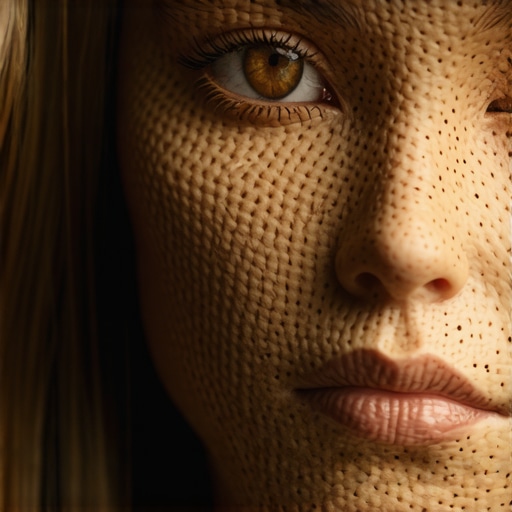
For example, capturing the delicate pores of skin or the intricate weave of fabric through pyrography adds a tactile dimension that enhances visual storytelling.
Innovations in Resin Blending for Enhanced Durability and Clarity
My experimentation with resin formulations has led to the development of blends that optimize flexibility, transparency, and longevity. By mixing UV-resistant resin with slow-curing variants, I create translucent components like glass-like eyes or accessories that resist yellowing and cracking over time. This material mastery allows for the inclusion of delicate features that elevate the overall aesthetic and emotional impact of the dolls. For guidance on eco-friendly resin techniques, I recommend exploring eco-friendly resin practices that align with sustainable art principles.
Transformative Power of Integrating Artistic and Mechanical Mastery
Blending advanced joint mechanics with surface texturing and durable material choices has transformed my approach. These techniques facilitate expressive poses and realistic surface details, making each doll a storytelling masterpiece. Sharing your experiments and insights fosters growth and innovation within our creative community. I invite you to reflect on which advanced techniques have most profoundly impacted your work—these explorations often lead to unexpected artistic breakthroughs.
Deep Material Understanding: The Foundation of Longevity and Realism
Mastering material properties is vital. Understanding how different resins cure and behave under various conditions enables me to craft durable, visually stunning pieces. For example, incorporating UV-resistant resins ensures that the clarity and integrity of translucent elements are preserved over years of display. This ongoing journey of material mastery involves rigorous testing and meticulous attention to texture and structural integrity, which I find profoundly rewarding. If you wish to deepen your expertise, exploring advanced pyrography techniques can add further depth to surface detailing.
Encouraging Innovation: Sharing and Experimenting
Experimentation with blending materials, designing complex joints, and refining surface textures continuously pushes the boundaries of my craft. Documenting these processes and engaging with fellow artisans accelerates growth and sparks inspiration. I encourage you to share your own experiences and techniques—these exchanges are the lifeblood of our creative community. For additional insights, exploring expert tutorials on pyrography and advanced sculpting strategies can be invaluable.
Things I Wish I Knew Earlier (or You Might Find Surprising)
Understanding Material Limits
Early in my journey, I underestimated how crucial it is to test different resin mixes before starting a full project. Discovering that some mixtures can turn cloudy or crack over time was a game-changer, reminding me to always experiment on small samples first.
The Power of Planning Joints
I used to jump straight into sculpting joints without detailed planning, which led to stability issues. Now, designing multi-axis joint systems on paper first helps me achieve more natural movement and durability in my dolls.
Surface Texturing Tricks
Surface detail can make or break realism. I wish I had explored pyrography techniques earlier, as adding pores and scars with careful heat control dramatically enhances the lifelike appearance of my dolls.
Patience Over Perfection
It’s easy to get discouraged by small setbacks. Learning to embrace patience and view each doll as a learning opportunity has been vital for continuous improvement and enjoyment in the craft.
Community Sharing
Connecting with fellow artisans via forums and social media has accelerated my growth. Sharing progress and receiving feedback keeps motivation high and sparks fresh ideas.
Resources I’ve Come to Trust Over Time
- DIYKUTAK’s Step-by-Step Guides: These comprehensive tutorials are invaluable for all skill levels, providing clear instructions on joint construction, surface texturing, and material mixing. I’ve referred to them countless times for troubleshooting and new techniques.
- Advanced Pyrography Techniques: Exploring this resource opened my eyes to detailed surface texturing. It’s a trusted site for mastering subtle shading and pore effects that add depth and realism to my dolls.
- Online Doll Making Communities: Platforms like Reddit and specialized Facebook groups offer peer support, inspiration, and honest critiques that help me refine my skills and stay motivated.
- Material Suppliers with Quality Assurance: Using reputable suppliers for resin and clay ensures consistency and durability in my creations, making my work more professional and lasting.
Parting Thoughts from My Perspective
Crafting articulated dolls is an art that combines technical mastery with creative storytelling. The most valuable lessons I’ve learned revolve around understanding my materials deeply, planning meticulously, and embracing continuous learning. These insights have transformed my approach from trial-and-error to confident creation, allowing me to produce more lifelike and expressive figures. If this resonated with you, I’d love to hear your thoughts or your own tips for doll sculpting. Feel free to share your experiences in the comments or explore related resources like DIY guides to help elevate your craft.