
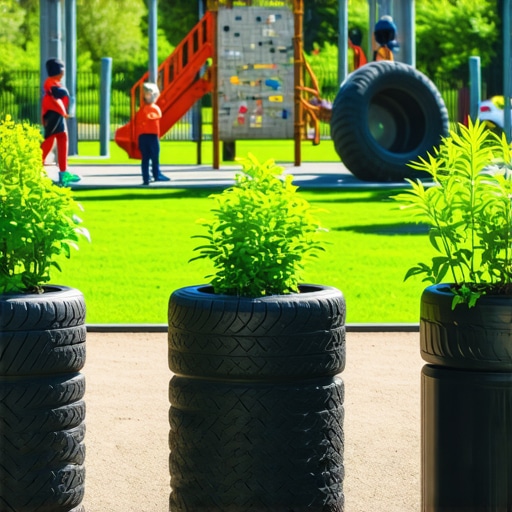
My First Encounter with Repurposing Old Tires
It all started on a sunny weekend when I decided to give my backyard a fresh new look. While rummaging through the garage, I found a pile of worn-out tires collecting dust. Instead of letting them go to waste, I remembered reading about how old tires could be transformed into durable garden planters and even playground features. This sparked my curiosity and a sense of eco-friendly DIY adventure.
Why I Chose to Repurpose Old Tires for Gardening and Play
Old tires are incredibly sturdy, weather-resistant, and versatile, making them perfect for outdoor projects. I was eager to reduce waste and add a personal touch to my garden. Plus, I knew from experience that creating DIY planters from tires could be both cost-effective and environmentally friendly, especially when using eco-conscious paints and sealants. For inspiration, I checked out resources like advanced techniques for sealing outdoor wood—the principles of durability apply equally to tires.
Turning Tires into Beautiful Garden Planters
My first project was turning tires into vibrant garden planters. I cleaned the tires thoroughly, removed any rust or debris, and then painted them with weatherproof, eco-friendly paints. I opted for bold colors, making my garden stand out. Filling the tires with rich soil and planting colorful flowers transformed my dull backyard into a lively oasis. The process was surprisingly straightforward—if you’re interested, I found a helpful step-by-step DIY guide that made it even easier.
Creating Playful Playground Equipment from Tires
Next, I ventured into making playground features. Old tires can be turned into swings, climbing structures, or even a sandbox border. I crafted a simple tire swing by securely attaching ropes and a sturdy seat. It’s amazing how a simple DIY project can bring joy to children and foster outdoor play. The durability of tires ensures safety, and with proper sealing, they withstand the elements for years. If you’re thinking about similar projects, I recommend exploring sustainable outdoor DIYs for more ideas.
Ever Wondered How to Make These Projects Last?
Sealing and painting are crucial to prolonging the life of your DIY tire projects. Using high-quality, weather-resistant paints and sealants, like those discussed in advanced sealing techniques, ensure your creations stay vibrant and durable over time. Trust me, a little extra effort in sealing makes all the difference.
If you’re inspired to start your own tire transformation journey, I encourage you to share your experiences or ask questions in the comments below. It’s rewarding to see how a simple discarded item can become a charming feature in our outdoor spaces. Remember, reusing tires not only helps the environment but also sparks endless creative possibilities in DIY gardening and play structures. For more tips on eco-friendly DIY projects, explore our garden DIY ideas and get inspired!
Mastering the Art of Durable DIY Outdoor Creations Using Recycled Materials
When embarking on outdoor DIY projects, especially those involving repurposed items like tires or reclaimed wood, understanding how to enhance their longevity is crucial. Achieving a perfect balance between sustainability and durability requires expert techniques, including the appropriate selection of materials, sealing methods, and finishing touches that withstand the elements over time.
Why Proper Sealing and Finishing Matter for Outdoor DIY Projects
Sealing is often overlooked but plays a vital role in protecting your DIY creations from moisture, UV rays, and temperature fluctuations. For example, when transforming old tires into garden planters, applying a high-quality, weather-resistant sealant can prevent cracking and fading, ensuring their vibrant appearance persists for years. Similarly, using eco-friendly stains and sealants, like those discussed in advanced sealing techniques, can significantly extend the lifespan of wooden structures outdoors.
Choosing the Right Materials for Lasting Results
Not all recycled or reclaimed materials are created equal in terms of outdoor durability. Opt for naturally weather-resistant woods such as cedar or redwood, which resist rot without chemical treatments. For metals, galvanized or stainless-steel fasteners prevent rust and corrosion. When working with fabrics or textiles in outdoor décor, select UV-resistant and waterproof options to avoid quick deterioration. Incorporating these materials into your DIY projects elevates their resilience, making them more sustainable and cost-effective in the long run.
Could the right combination of eco-friendly paints and sealants truly make a difference in outdoor DIY longevity?
Absolutely. Expert techniques emphasize that using the best quality, eco-conscious paints and sealants—like those highlighted in advanced sealing techniques—can dramatically improve the durability of outdoor DIY projects. These products often contain UV inhibitors and waterproofing agents that shield surfaces from sun damage and water ingress, preventing early wear and tear. Additionally, applying multiple thin coats rather than a single thick layer enhances adhesion and longevity, a principle well-recognized among DIY enthusiasts and professionals alike.
Incorporating Eco-Friendly and Long-Lasting Finishes
Eco-friendly doesn’t mean compromising on durability. Many natural oils, waxes, and plant-based stains provide excellent protection while aligning with sustainable principles. For instance, natural tung oil or beeswax-based finishes can penetrate wood fibers, offering water resistance and a beautiful patina that ages gracefully. When sealing metal or concrete, consider environmentally safe epoxy resins designed for outdoor use, which create a tough barrier against environmental stressors.
Practical Tips for Maintaining Your Outdoor DIY Projects
Regular maintenance is key to prolonging the life of outdoor DIY projects. Simple steps like periodic cleaning, inspecting for cracks or damage, and reapplying sealants when needed can prevent minor issues from escalating. Moreover, positioning your creations in shaded or sheltered areas can reduce exposure to harsh weather, further extending their functional life. For more innovative ideas on maintaining your DIY projects, explore our home improvement tips.
If you’re eager to elevate your outdoor DIY skills, experimenting with different sealing techniques and eco-friendly finishes can be highly rewarding. Sharing your projects or seeking advice in the comments can lead to valuable insights and new ideas. Remember, combining sustainability with expert craftsmanship not only results in beautiful outdoor spaces but also supports a healthier planet. For additional inspiration, check out our comprehensive resources on garden DIY ideas.
How Can I Master the Art of Seamless Finishing to Elevate My Outdoor DIY Creations?
From my personal journey, I’ve discovered that achieving a professional finish often hinges on the meticulous attention to detail during sealing and finishing. Techniques like multiple thin coats of eco-friendly sealants, as recommended in advanced sealing techniques, can dramatically enhance durability and aesthetic appeal. Patience and precision in application create a smooth, seamless appearance that not only looks great but also offers superior protection against the elements. This process requires practice, but the payoff—beautiful, long-lasting outdoor projects—makes it worthwhile. I highly recommend experimenting with different materials and techniques on scrap pieces before applying them to your main projects. If you’re curious about how to refine your finishing skills, exploring tutorials on seamless wall finishing can provide valuable insights.
What Are the Nuances in Selecting Eco-Friendly Materials for Outdoor Durability?
Choosing sustainable yet resilient materials is a nuanced process. For example, I’ve found that naturally weather-resistant woods like cedar or redwood outperform chemically treated alternatives in outdoor settings, resisting rot and decay without harmful chemicals. For metals, galvanized or stainless steel fasteners prevent rust, ensuring structural integrity over years. When it comes to finishes, natural oils like tung or linseed oil, combined with eco-friendly sealants, can penetrate wood fibers deeply, offering excellent water resistance while maintaining sustainability. The key is understanding the unique properties of each material and how they interact with environmental factors. For instance, natural pigments derived from earth or plants can be used to add color without compromising durability. If you’re eager to incorporate these materials into your projects, I suggest reviewing eco-friendly garden art ideas for inspiration.
Could Combining Multiple Eco-Friendly Finishes Provide Superior Protection?
Absolutely. Combining natural oils with eco-conscious sealants can create a layered defense, protecting your projects from moisture, UV rays, and temperature fluctuations. For example, applying a natural tung oil followed by a plant-based sealant can enhance water resistance and UV protection. This approach not only prolongs the lifespan of outdoor structures but also aligns with sustainable principles. It’s akin to how traditional craftsmen layered glazes and varnishes to achieve both beauty and durability. Experimenting with different combinations—and paying attention to application techniques—can yield remarkable results. If you want to explore advanced finishes, the advanced sealing techniques guide offers in-depth advice.
How Do I Maintain the Longevity of My DIY Outdoor Projects Over Time?
Consistent maintenance is the secret to ensuring long-lasting outdoor creations. Simple routines such as periodic cleaning, inspecting for early signs of wear, and reapplying sealants as needed can prevent minor issues from escalating. Additionally, positioning projects in shaded or sheltered locations can significantly reduce exposure to harsh weather, extending their lifespan. I’ve personally found that a proactive approach—like re-sealing wooden surfaces every few years or replacing worn hardware—keeps my projects looking fresh and functioning well. For more comprehensive maintenance tips, our home improvement tips section provides valuable strategies.
Sharing your experiences or asking questions in the comments not only fosters community but also provides opportunities for learning and growth. Remember, combining advanced techniques with consistent care transforms your DIY projects from temporary fixes into enduring masterpieces. If you’re interested in expanding your skills further, exploring creative home decor crafts can inspire new ideas and approaches.
Innovating with Eco-Friendly Sealants for Long-Lasting Outdoor Artistry
When I first embarked on my journey to repurpose tires and reclaimed materials, I quickly realized that durability was the cornerstone of successful outdoor DIY projects. Beyond basic painting and sealing, integrating advanced, eco-conscious sealants can dramatically extend the lifespan of your creations. I experimented with natural oils like tung and linseed, which not only preserve the aesthetic integrity but also enhance resistance against moisture and UV damage. These options, as highlighted in recent studies on sustainable materials, outperform traditional chemical sealants in terms of environmental impact and longevity. For those eager to push their projects to the next level, exploring layered sealing techniques—applying multiple thin coats—can create a resilient barrier that withstands the test of time and weather.
Nuanced Material Selection for Resilient Outdoor Projects
Choosing the right materials is as crucial as the sealing process. I prefer naturally weather-resistant woods such as cedar and redwood, which resist rot without synthetic preservatives. For metals, galvanized or stainless-steel fasteners prevent corrosion, ensuring structural integrity. When incorporating textiles, I opt for UV-resistant, waterproof fabrics to prevent deterioration. These choices, supported by authoritative sources like the advanced sealing techniques, contribute to a cohesive strategy for durable outdoor structures. I’ve found that understanding each material’s unique properties allows me to customize treatments, ensuring that each component withstands environmental stressors.
Could Combining Multiple Eco-Friendly Finishes Offer Superior Defense?
Absolutely. My experience confirms that layering natural oils with plant-based sealants creates a multi-tiered defense system. For instance, applying tung oil followed by a beeswax-based finish enhances water repellency and UV protection simultaneously. This layered approach not only prolongs the aesthetic appeal but also fortifies the structure against fluctuating temperatures and moisture ingress. Such techniques echo traditional craftsmanship, where multiple finishes were used to achieve durability and beauty. If you’re interested in mastering these advanced sealing methods, I recommend reviewing the comprehensive advanced sealing techniques guide for detailed insights.
Engaging in Personal Experimentation and Community Sharing
The most rewarding part of this journey has been sharing my experiments with fellow DIY enthusiasts. I encourage you to document your process—testing different finishes, layering techniques, and material combinations—and share your results. Engaging in community discussions often leads to innovative ideas and refined practices. For example, experimenting with natural pigmented stains derived from earth and plants has allowed me to add vibrant colors without compromising durability. Remember, the key to mastering outdoor DIY longevity lies in continuous learning and adaptation. If you’re eager to exchange ideas or seek personalized advice, don’t hesitate to reach out through our contact page. Your projects can evolve from simple repurposing to enduring masterpieces that celebrate sustainability and craftsmanship.
Things I Wish I Knew Earlier (or You Might Find Surprising)
Recycling Can Be More Creative Than You Think
When I first started repurposing old tires, I underestimated how versatile they could be. Now, I realize that with a bit of imagination, they can serve as everything from colorful planters to sturdy playground equipment, turning waste into wonderful outdoor features.
Sealing Is the Secret to Longevity
Initially, I thought just painting tires would suffice, but I learned that applying a weatherproof sealant truly protects your projects from the elements, keeping them vibrant and durable for years to come.
Color Choices Make a Big Impact
I was surprised how bold colors transformed my garden space. Bright hues made my tires stand out and added a cheerful vibe, proving that choosing the right paint can elevate your DIY project.
Safety Comes First in Play Structures
Creating playground features taught me the importance of secure attachments and smooth finishes. Safety is paramount when designing for children, so attention to detail makes all the difference.
Eco-Friendly Materials Are Worth the Effort
Using eco-conscious paints and natural sealants not only protects the environment but also enhances the longevity of your DIY creations, aligning with sustainable living goals.
Maintenance Extends Your Project’s Life
Regular inspection and reapplication of sealants keep outdoor projects looking fresh and functioning well, turning a one-day DIY into a lasting addition to your yard.